Indonesia’s Security Leadership Transformed Amid Rising Unrest
In response to recent turmoil that claimed 10 lives last month, Indonesian President Prabowo Subianto has appointed a former rival to lead the nation’s security affairs, signaling a significant shift in governance strategy.
Reconfiguring the Cabinet to Restore Stability
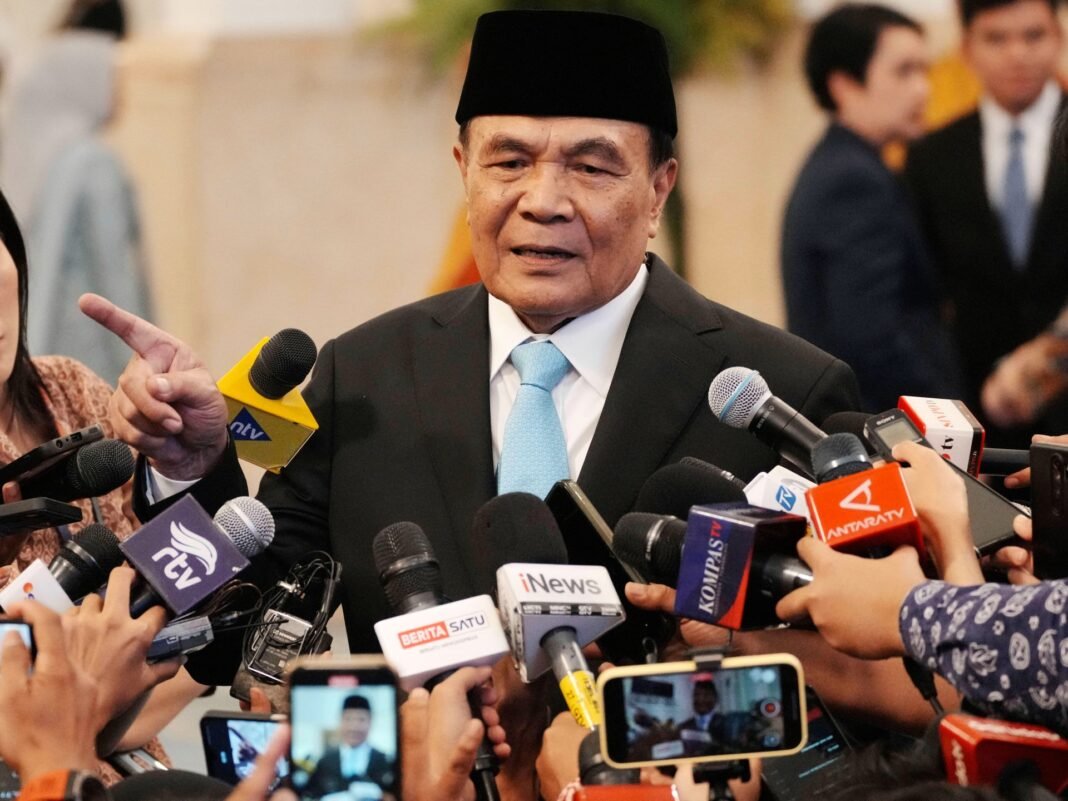
After violent protests erupted across Indonesia in late August, President Subianto initiated a major cabinet overhaul.Retired General Djamari Chaniago replaced Budi Gunawan as the coordinating minister for politics and security. This strategic change aims to quell public discontent and reestablish order amid growing social tensions.
The demonstrations were sparked by widespread economic grievances intensified by revelations that legislators received monthly housing allowances of around $3,000-an amount 10 to 20 times higher than regional minimum wages. The unrest escalated tragically when Affan Kurniawan, a 21-year-old motorcycle courier, was fatally hit by a police vehicle during protests in Jakarta.
Political Fallout and Military Integration into Governance
The upheaval resulted in significant political consequences: five ministers were dismissed, including Finance Minister Sri Mulyani Indrawati, who had previously held influential positions at global financial institutions like the IMF and World Bank. By appointing Chaniago-a seasoned military figure-Subianto appears determined to strengthen control through trusted leadership amid ongoing challenges.
This reshuffle also reflects an increasing trend of military involvement beyond conventional defense roles. Former generals now oversee diverse government functions such as managing civil unrest responses, implementing free school meal programs nationwide, securing food supplies during inflationary pressures nearing 5% earlier this year, and even supervising state-run palm oil enterprises. Additionally, armed forces have been mobilized for pharmaceutical manufacturing initiatives-highlighting Indonesia’s expanding reliance on military expertise within civilian sectors.
A History Marked by Rivalry and Reconciliation
Djamari Chaniago’s appointment is particularly striking given his long-standing rivalry with President Subianto dating back more than twenty years. In 1998-the final year of Soeharto’s regime-they found themselves on opposing sides amid investigations into human rights violations involving elite troops accused of abducting activists opposing Soeharto’s rule.
subianto faced allegations of “misinterpreting orders” related to these kidnappings carried out by Kopassus soldiers under his command; although he was discharged from military service without trial that year despite convictions among subordinates. Simultaneously occurring, Chaniago succeeded him as commander of the Army Strategic Reserve Command during this politically volatile transition period following Soeharto’s resignation.
An Unexpected Alliance Amid Economic Strain
This collaboration between two former adversaries emerges at a critical juncture as Indonesia confronts economic instability compounded by post-pandemic recovery challenges and rising living costs fueling social unrest. By entrusting national security duties to Chaniago-a figure with extensive military experience-Subianto signals an emphasis on pragmatic governance aimed at stabilizing both political dynamics and public confidence rather than ideological confrontation.
Future Challenges for Indonesia’s Security Landscape
- The expanding Military Footprint: The growing role of armed forces in civilian management raises significant questions about maintaining healthy civil-military relations moving forward.
- Rebuilding Public Confidence: Addressing deep-rooted economic disparities remains essential after protests exposed widespread frustration over perceived government privileges amidst hardship.
- Navigating Civil Unrest: Managing future demonstrations effectively will test new leadership capabilities while prompting urgent reforms within law enforcement agencies following incidents like Kurniawan’s death.
“Indonesia faces pivotal choices where balancing decisive governance with empathetic policy-making is crucial for sustainable peace.”