Revolutionizing AI Hardware: AWS’s Bold Challenge to Nvidia’s Market Leadership
Amazon web Services (AWS) is making significant strides in AI hardware innovation, aiming to disrupt Nvidia’s longstanding dominance. Following a monumental $50 billion investment partnership with OpenAI, AWS has opened the doors to its advanced chip development facility, where the next generation of Trainium processors are being engineered. these chips promise to drastically reduce AI inference costs and reshape the competitive landscape.
Trainium Chips: The Heart of AWS and OpenAI’s Partnership
AWS has been a foundational cloud provider for Anthropic since its early days and continues this role even as Anthropic partners with other tech giants like Microsoft. Now, openai exclusively relies on AWS for running its new AI agent builder platform, Frontier. This exclusivity positions Amazon at the forefront of powering emerging agent-based AI models that could redefine Silicon Valley competition if widely adopted.
To support this massive demand, amazon has allocated an unprecedented 2 gigawatts of Trainium compute power specifically for OpenAI’s operations-an immense scale given that existing clients such as Anthropic and AWS’s Bedrock service already consume these chips faster than production can replenish them.
The Expanding Footprint of Trainium Chips
Globally, over 1.4 million Trainium processors across three generations are currently deployed in production environments. For instance, Anthropic’s Claude model alone runs on more than one million units of the second-generation Trainium2 chips.Initially designed primarily to optimize cost-effective model training-a priority two years ago-Trainium now excels at accelerating inference workloads as well.
Inference-the phase where models generate real-time outputs-is widely acknowledged as today’s most critical performance bottleneck in AI systems. Most inference tasks on amazon Bedrock leverage Trainium2 chips, enabling enterprises to build diverse applications powered by multiple underlying machine learning models efficiently.
AWS vs Nvidia: Transforming Cost Structures in Cloud AI Processing
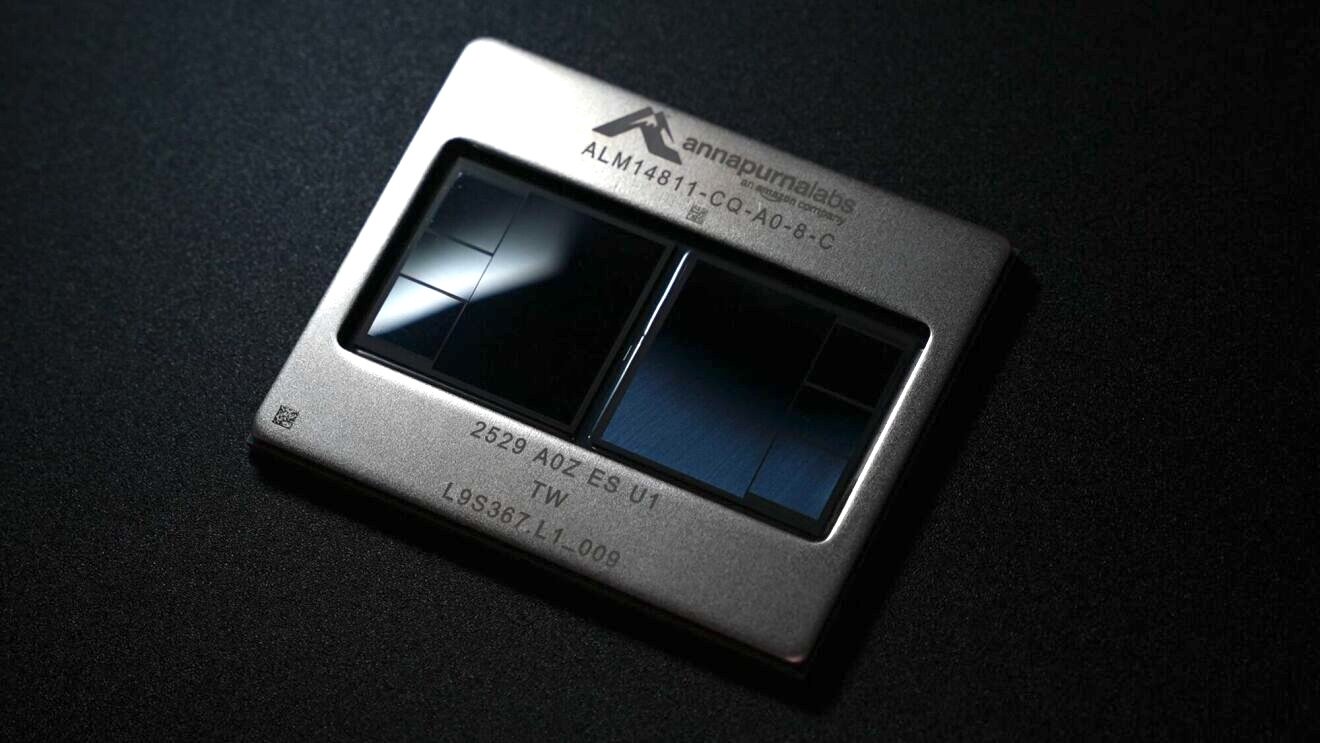
Nvidia GPUs have traditionally dominated cloud-based artificial intelligence workloads but face increasing supply shortages and rising prices amid surging demand worldwide. in contrast, Amazon asserts that its latest Trn3 UltraServers equipped with third-generation Trainium3 chips deliver similar or better performance while reducing operational expenses by up to 50% compared to conventional servers running Nvidia hardware.
The integration of Neuron switches alongside these advanced silicon components creates a high-speed mesh network allowing direct dialogue between every chip within large clusters-significantly lowering latency and enhancing throughput efficiency when processing trillions of tokens daily across massive datasets.
“Combining Neuron switches with our proprietary silicon delivers unmatched price-to-performance ratios,” stated Mark Carroll from AWS engineering leadership.
This strategy reflects Amazon’s customer-centric approach: identifying real-world needs first-hand before developing tailored solutions that offer compelling cost advantages over entrenched competitors like Nvidia or Intel.
Simplifying Software Migration Through Ecosystem compatibility
A major barrier for option chip manufacturers has been software compatibility; many machine learning frameworks are deeply optimized for Nvidia GPUs requiring extensive code rewrites when ported elsewhere. However,AWS has embedded native PyTorch support directly into their custom silicon platforms-PyTorch being one of the most widely used open-source frameworks powering millions of ML projects globally including those hosted on popular repositories like Hugging Face.
This seamless integration means developers frequently enough only need minimal code changes (sometimes just modifying a single line) before recompiling their models for efficient execution on AWS hardware-a crucial step toward eroding Nvidia’s market share by significantly lowering switching costs.
A Decade-Long Evolution Rooted in Annapurna Labs Acquisition
The foundation for AWS’s custom-chip expertise was laid through acquiring Israeli startup Annapurna Labs in 2015 for around $350 million.This team has since grown steadily into specialists designing bespoke processors optimized specifically for demanding cloud-scale workloads under tight deadlines.Their headquarters is located within Austin’s dynamic “The Domain” district-a vibrant tech hub frequently enough likened to “Austin’s Silicon Valley,” blending innovation culture with urban energy.
The Critical Bring-Up stage: From Prototype designs To Mass Production
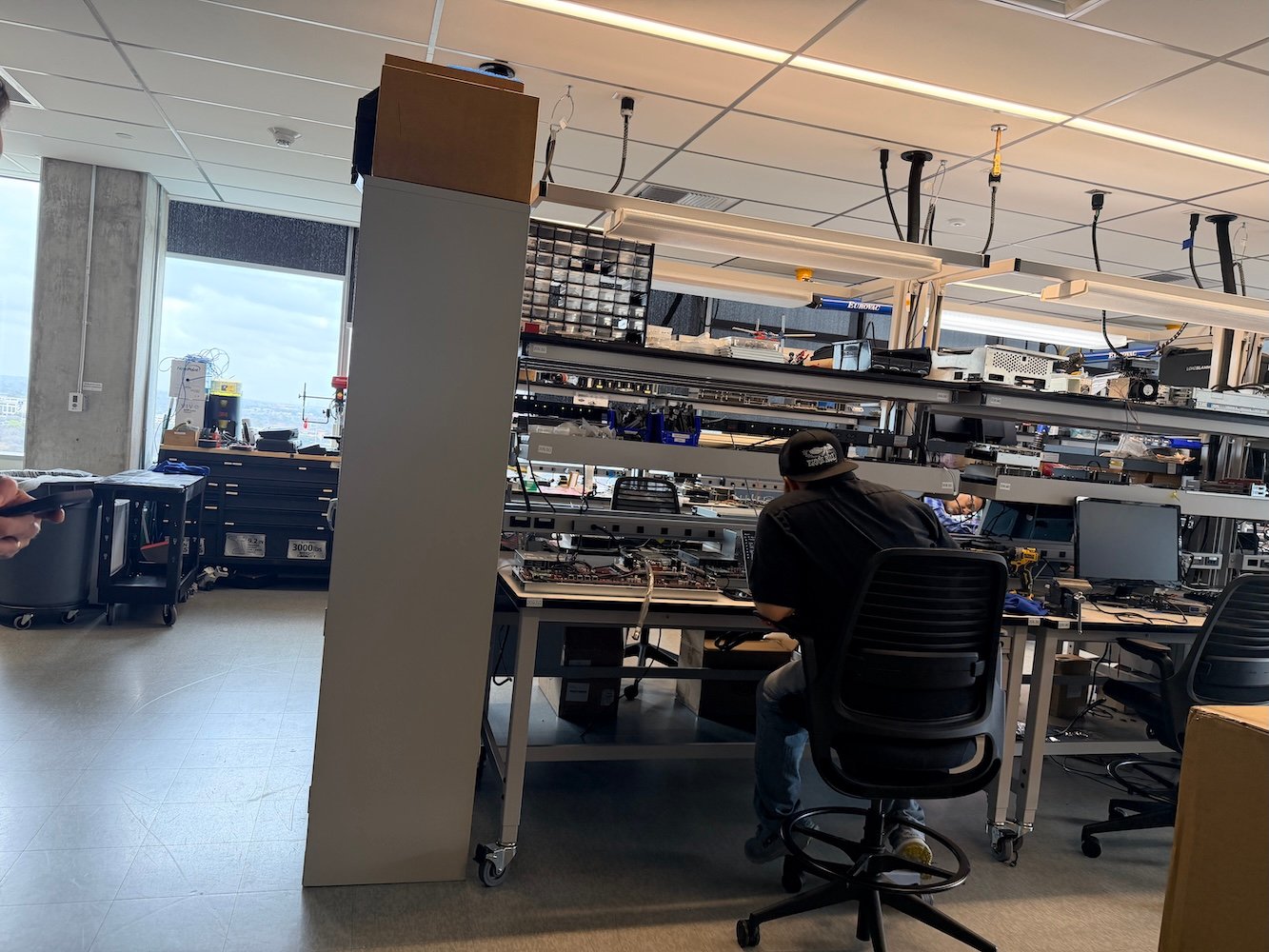
the bring-up phase involves powering newly fabricated silicon prototypes after approximately 18 months spent designing them-a pivotal moment filled with intense troubleshooting sessions addressing unforeseen issues prior to full-scale manufacturing.
for example,during initial tests on liquid-cooled versions of their state-of-the-art 3-nanometer Tranium3 chips produced by TSMC,some minor mechanical misalignments prevented activation until engineers swiftly improvised onsite without interrupting milestone celebrations.this hands-on problem-solving mindset exemplifies what it takes to transform cutting-edge semiconductor concepts into reliable products under stringent timelines.
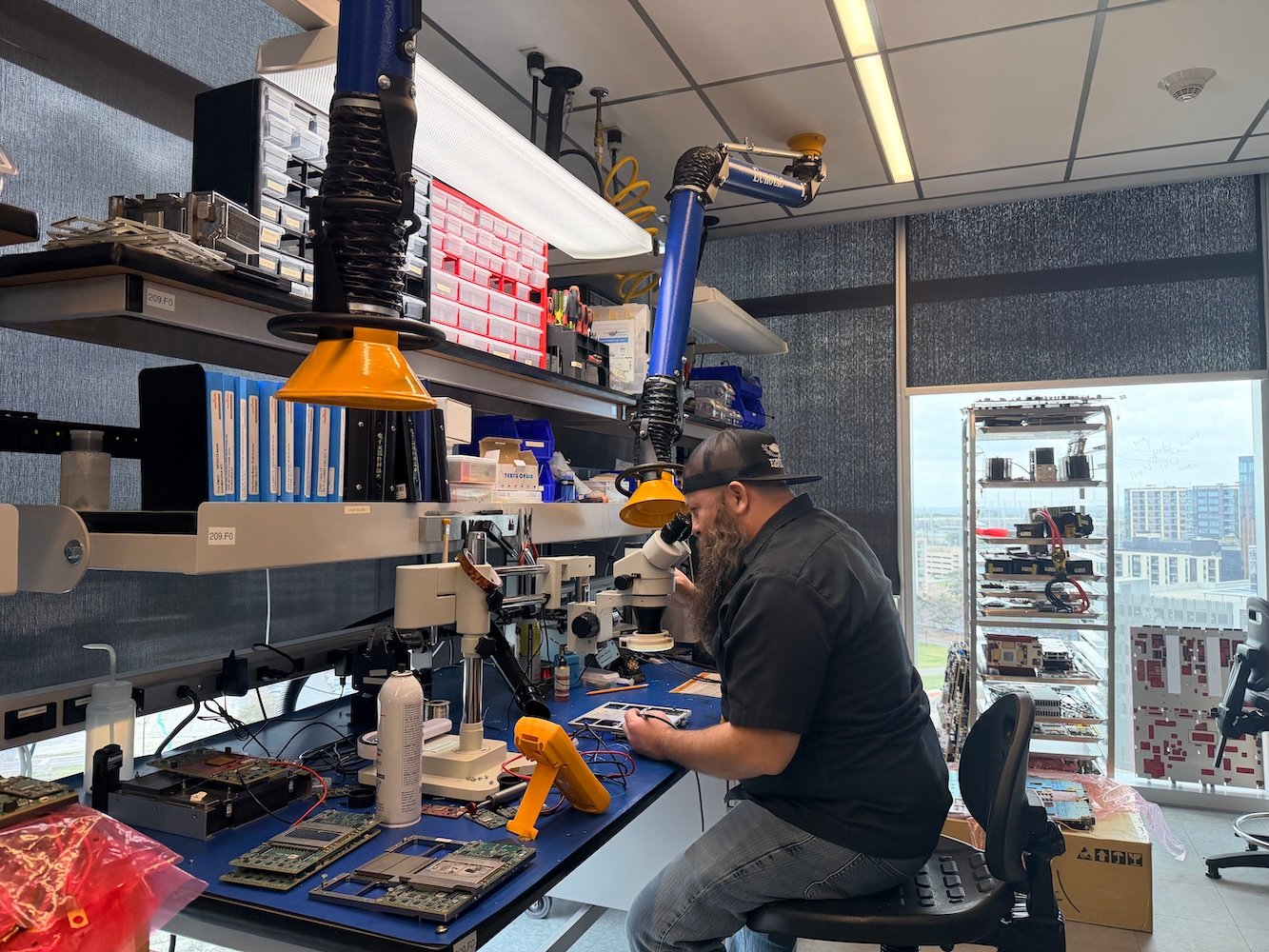
Sleds & Servers: Building Blocks Powering Massive Compute Infrastructure
Sleds-the modular trays combining Graviton CPUs alongside various generations of Trainium processors-are core components meticulously engineered by this team.
Stacked vertically within racks connected via custom networking technology also developed here,
these sleds form powerful systems supporting large-scale deployments such as Project Rainier,
one among world-leading clusters featuring half a million trainum-powered nodes backing Anthropic services since late 2025.
These innovations extend beyond individual microchips; they include server designs incorporating Nitro virtualization technology plus advanced liquid cooling aimed at maximizing performance density while minimizing environmental impact through closed-loop coolant recycling systems.

Tangible Industry Impact Validated By Leading Generative-AI Platforms
< p >Despite downplaying hype during facility tours,
the evidence clearly shows how these technologies underpin some
of today ‘ s largest generative-AI platforms including Anthropic ‘ s Claude
and increasingly OpenAI ‘ s expanding Frontier agents operating exclusively atop these tailor-made infrastructures .
Strict security protocols protect private data centers ensuring rigorous testing environments isolated from public-facing workloads .
Even amid challenging conditions marked by loud cooling fans emitting heated metal scents ,
engineers maintain relentless focus optimizing system reliability vital given soaring demand spanning healthcare diagnostics
to autonomous vehicle simulations .
< figure >< img loading = " lazy " decoding = " async "
height = "510 "
width = "680 "
src = " https://newsfeed24.website/wp-content/uploads/69c02d794a86f.jpg?w=680 "
alt = "Data center row filled with ultra servers ">
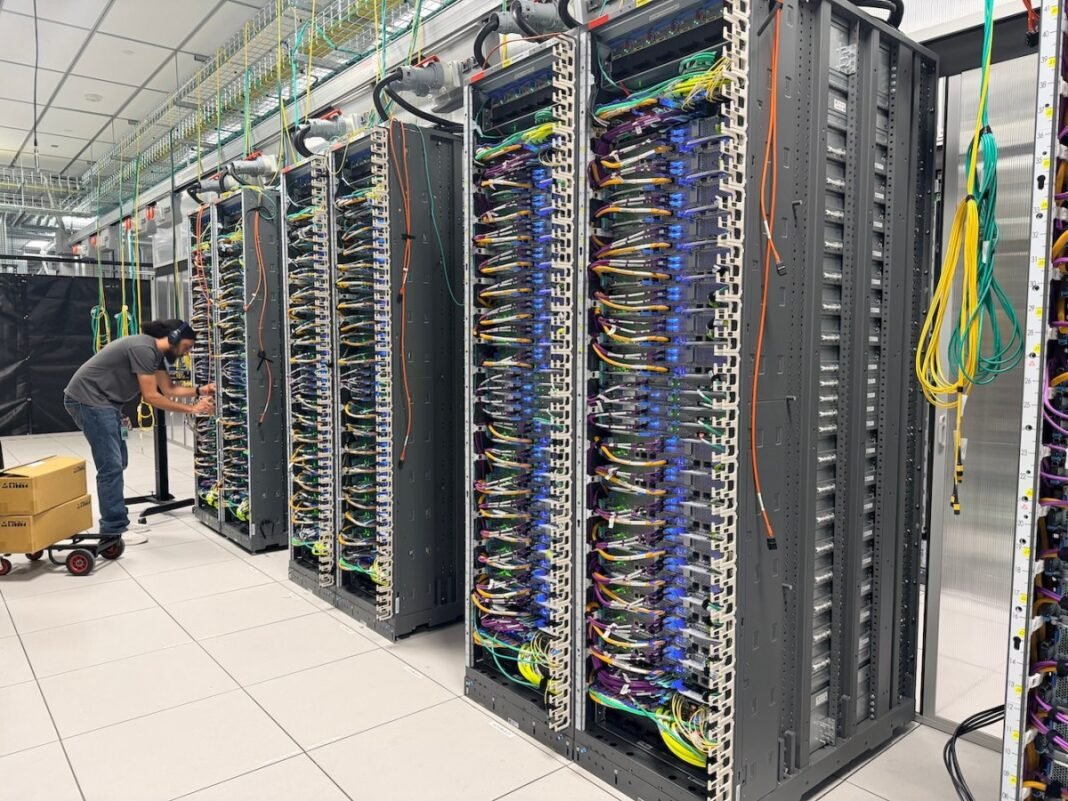
< figcaption >< strong >Rows upon rows inside an ultra-efficient data center housing liquid-cooled Tranium-powered servers operating continuously.< br >
< h2 >Relentless Innovation Fueled By High Stakes And Aspiring Goals
< p >With CEO Andy Jassy championing these breakthroughs as multi-billion-dollar milestones driving future growth ,internal pressure remains intense.Engineering teams endure grueling schedules during bring-up phases , working nonstop until all challenges are resolved enabling smooth mass deployment .
Mark Carroll emphasized , “Speed is critical when validating viability so we can rapidly scale production.” their track record demonstrates remarkable resilience navigating complexities inherent in pioneering next-gen semiconductor architectures designed specifically toward democratizing access globally affordable yet powerful artificial intelligence capabilities.