Widening Economic Gaps Shape Consumer Responses to Inflation and Market Dynamics
Amid persistent economic volatility characterized by recession fears, interruptions in government funding, and shifting trade regulations, consumer spending behaviors are becoming increasingly divided. This phenomenon exemplifies a “K-shaped” recovery where wealthier individuals maintain strong purchasing power while lower-income groups face tightening financial constraints.
Decoding the Consumer Price Index During Turbulent Times
The most recent Consumer Price Index (CPI) report-delayed due to a government shutdown-provides essential insights into inflation trends despite excluding data from the shutdown period itself. This report plays a crucial role in determining Social Security cost-of-living adjustments scheduled for November 1.
Escalating costs of basic items like groceries and gasoline have disproportionately burdened middle- and low-income families. In contrast, affluent Americans have benefited from rising stock market valuations and increasing real estate prices. surveys reveal that perceptions of economic well-being vary substantially depending on income levels across the country.
Divergent Trends in Food & Beverage Purchases
The food and beverage industry clearly reflects this split in consumer habits. For example, upscale brands such as Spindrift sparkling water and califia Farms oat milk are gaining traction among higher-income consumers seeking specialty products. meanwhile, budget-focused stores like Aldi experiance growing patronage from shoppers aiming to maximize their spending power.
Fast-food chains have adjusted their offerings accordingly: McDonald’s recently expanded its value menu responding to what CEO Chris Kempczinski calls a “two-tier economy.” While wealthier customers continue frequenting premium or fast-casual dining venues steadily, visits by lower-income patrons have dropped noticeably-with some opting to skip meals or cook at home instead.
A similar pattern emerges at Chipotle Mexican Grill where CFO Adam Rymer notes that financial strain on less affluent customers will shape upcoming pricing decisions.
Luxury Auto Sales Surge Amid Rising Loan Delinquencies
The average price for new vehicles has surpassed $50,000 for the first time ever-a trend driven primarily by affluent buyers benefiting from attractive financing options. Conversely, delinquencies on auto loans are increasing among borrowers with credit scores below 620, highlighting stress within more vulnerable populations.
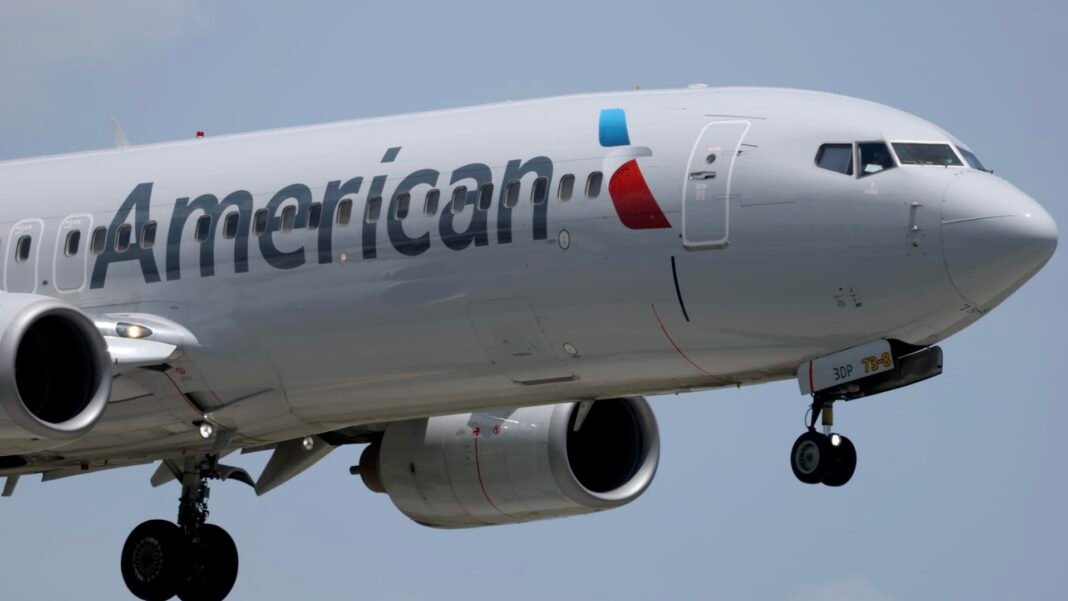
This divide extends into air travel as well; airlines such as Delta anticipate premium cabin revenues will exceed those of economy class next year. Demand for spacious seating with enhanced amenities remains robust among wealthy travelers despite broader economic challenges affecting other groups.
Hospitality Sector Reveals Unequal Recovery but Signals Potential Shift
The hospitality industry also mirrors thes contrasting experiences between income brackets but suggests this disparity may lessen over time. Hilton’s CEO Christopher Nassetta reports that luxury hotel bookings remain strong thanks to high-end clientele while midscale properties serving budget-conscious guests have seen revenue declines recently.
Nassetta expresses optimism that easing inflationary pressures alongside stabilizing interest rates could help bridge these gaps soon: “I expect middle- and lower-tier segments will start catching up heading into next year.”
A Contemporary Overview of Economic Realities
- K-shaped recovery: Wealthy consumers sustain or increase spending; others cut back amid rising living costs.
- CPI analysis: Inflation impacts essential goods unevenly across different income groups.
- food & beverage sector: Growth in premium product sales occurs alongside increased demand at discount retailers.
- Automotive market: New car prices reach record highs while loan defaults rise among subprime borrowers.
- Aviation trends: Premium cabin revenues expected to surpass economy fares driven by affluent travelers’ preferences.
- Lodging forecast: Luxury hotels thrive even as affordable brand revenues decline; convergence anticipated soon.
“The current environment highlights stark disparities in how various income groups experience inflation-some gain through asset recognition while others grapple with everyday expenses,” an economist observes. “This polarization fundamentally shapes consumption patterns across industries.”