Alberta Whisky Act: Setting a New Benchmark for Local spirit Excellence
Alberta has taken a significant step by legally defining what constitutes an “Alberta whisky,” distinguishing it from other Canadian whiskies much like how Kentucky and Tennessee bourbons are uniquely identified. This legislation aims to boost the province’s whisky sector by establishing clear, enforceable standards that highlight local craftsmanship.
Essential Requirements for Alberta Whisky Certification
The Alberta Whisky Act introduces stringent criteria that spirits must satisfy to carry the “Alberta whisky” designation. These rules surpass general Canadian whisky regulations and include:
- Entire production processes-from mashing and fermenting to aging, proofing, and bottling-must occur within Alberta.
- The distillation process requires 100% use of water sourced exclusively from Alberta.
- A minimum of 66.7% of grains used in production must be cultivated within provincial borders.
- No additives are permitted after distillation except plain caramel coloring and local water adjustments.
- If flavour blending involves other alcohols, these can only make up a maximum of 9.09% of total alcohol content and must be aged at least two years before blending.
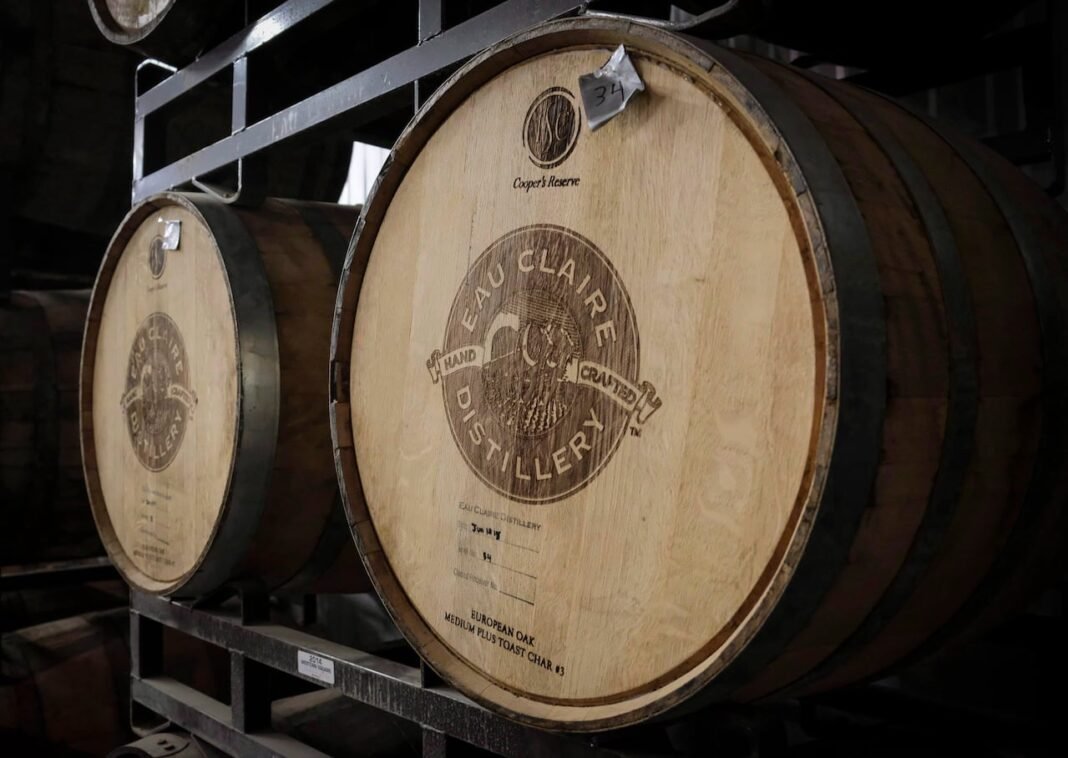
- Aging is mandatory in small wooden barrels for no less than three years to develop character and complexity.
- The final bottled product must have an alcohol strength of at least 40% ABV (alcohol by volume).
Motivations Behind Establishing Local Whisky Standards
This legislation is voluntary but crafted to help producers differentiate their offerings amid a crowded Canadian whisky market. The government emphasizes protecting the unique identity of Alberta-made whiskies while promoting homegrown expertise in spirit-making. Officials express pride in showcasing what they consider some of the world’s finest whiskies emerging directly from Alberta’s heartland regions.
Harnessing regional Ingredients for Global Recognition
Distillers point out that alberta’s climate, fertile barley fields, and pristine aquifers provide ideal conditions for producing premium spirits. For example,Prairie Grain Distillers recently reported exporting over 70% of their barley internationally but lacked a unified brand identity linking those grains back to Alberta itself. The new act offers an opportunity to unify these efforts under one banner: “Crafted entirely in Alberta.”
Pioneering AI Integration in Legislative Drafting
An innovative feature accompanying this act was its drafting process-the frist instance where any Canadian provincial government incorporated artificial intelligence tools during lawmaking development phases. AI assisted primarily with data analysis and initial draft generation; however, human experts maintained oversight throughout all stages ensuring precision and contextual relevance remained intact.
This collaboration between technology specialists-including ministers responsible for innovation-and lawmakers aimed not only at advancing distilling standards but also positioning Alberta as a trailblazer in governance innovation through emerging technologies such as generative AI models.
The Expanding Role of Artificial Intelligence in Policy Making
This experiment paves the way toward more streamlined legislative workflows without replacing traditional review bodies tasked with legal scrutiny-striking a balance between automation benefits while safeguarding against errors or biases inherent within machine-generated outputs.
Diverse Industry Opinions on Regulatory Frameworks
While many industry members welcomed clarity around authentic local whisky definitions, some seasoned producers expressed concerns about overly rigid rules possibly stifling creativity or versatility among craft distillers who often experiment with novel ingredients or techniques.Cameron Fraser, founder of several national awards celebrating Canadian spirits excellence, suggested adopting broader guidelines linked perhaps more closely with tax incentives rather than strict compositional mandates might better accommodate evolving producer needs over time.
Navigating Forward through Inclusive Dialog
The government facilitated multiple open forums inviting direct feedback from craft distillers across the province during late 2025-encouraging community participation around standard-setting while balancing respect for tradition alongside innovation demands common within artisanal spirit industries worldwide (similar to Scotland’s Scotch regulations).
Cultivating Brand Identity & Boosting Tourism Opportunities
An exciting prospect tied to formalizing “Alberta whisky” status includes plans under consideration for launching an official spirits trail akin to Kentucky’s Bourbon Trail experience-a curated journey weaving through urban hubs like Edmonton combined with rural locales highlighting distilleries’ heritage alongside southern Canada’s distinctive prairie landscapes.
“Our goal is not just having visitors sample our products but immersing them fully into our culture,” remarked officials regarding future tourism initiatives designed as part of broader economic growth strategies supporting small businesses across hospitality sectors.”
A Future Built on Tradition Enhanced by innovation
This new framework positions Albertan distilleries prominently on both national and international stages by codifying quality benchmarks deeply rooted in place-based authenticity supported by advanced technological tools shaping modern governance globally today-demonstrating how heritage industries can flourish alongside digital transformation without sacrificing integrity or creative freedom essential for long-term success stories now experiencing record consumer interest levels exceeding $8 billion annually across North America (2024 estimates).