In-Depth Analysis of Missile Defense Systems in Gulf States Amid Heightened Tensions
Recent nights across the Gulf have been marked by streaks of missiles and drones cutting through the sky, often culminating in brilliant explosions as air-defense mechanisms activate to thwart these incursions. Cities like Dubai and Abu Dhabi have seen numerous videos capturing these defensive interceptions rapidly spreading on social media, revealing a usually hidden facet of national security operations.
Escalating Aerial Threats: Origins and Regional Consequences
The surge in missile and drone attacks is largely a response to recent US-Israeli actions that resulted in the death of Iran’s supreme leader Ali Khamenei. In retaliation,Iran has launched multiple strikes targeting several Gulf countries,prompting swift countermeasures from nations including Saudi Arabia,Kuwait,Bahrain,Qatar,Oman,Jordan,and the United Arab Emirates.
Governments throughout the region have urged citizens to refrain from filming or sharing footage related to military engagements or missile interceptions due to concerns about compromising sensitive defense details.
The United Arab Emirates’ Layered Air-Defense Architecture Under Strain
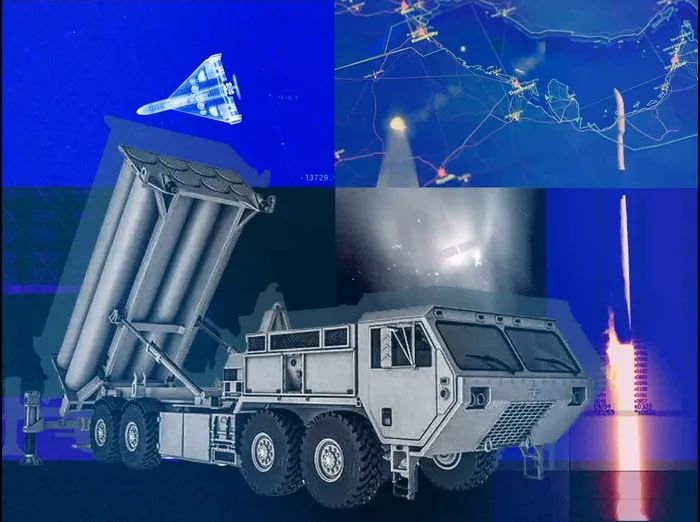
The UAE relies on an advanced multi-tiered defense system designed to intercept threats at varying altitudes. At its highest level stands the Terminal High Altitude Area Defense (THAAD) system-developed by Lockheed Martin-which neutralizes ballistic missiles during their final descent phase using kinetic impact technology rather than explosive warheads.
This high-altitude shield is supported by Patriot missile batteries operating at lower levels that target incoming drones and missiles with precision. Sophisticated radar networks detect launches hundreds of kilometers away enabling rapid threat assessment and coordinated responses.
Sence late February alone, UAE forces identified 196 ballistic missile threats; 181 were successfully intercepted while others landed harmlessly offshore or within unpopulated areas. These attacks resulted in three deaths and 78 injuries primarily caused by falling debris rather than direct strikes.
The conflict has also disrupted digital infrastructure: as an example, drone assaults damaged Amazon Web Services data centers located in both Bahrain and UAE causing regional cloud service outages affecting businesses across multiple sectors.
“While Gulf states maintain robust tactical interception capabilities,” notes a regional security analyst, “the real challenge lies in sustaining such high operational tempos over extended periods.”
This situation highlights an economic imbalance where each interceptor costs millions whereas many attacking drones are produced for just thousands-a disparity complicating long-term defense sustainability amid repeated waves of aggression.
Saudi Arabia’s extensive Defensive Network against Persistent Aerial Attacks
Saudi Arabia operates one of the Middle East’s most comprehensive air-defense systems shaped by years protecting vital urban centers and energy infrastructure from aerial threats. Central to this network are patriot missile batteries enhanced with PAC-3 MSE interceptors capable of destroying ballistic targets via direct collision impacts.
The kingdom recently reported shooting down nine drones shortly after they entered its airspace along with two cruise missiles near Al-kharj Governorate. Despite prosperous defenses around critical sites such as Ras Tanura oil refinery-where debris ignited minor fires-the facility was targeted again days later underscoring ongoing vulnerabilities despite active protection measures.
“Attackers don’t need perfect success rates,” explains a defense expert. “Even occasional penetrations combined with psychological effects can produce significant strategic outcomes.”
Covering vast territories including cities, military bases, and energy hubs amplifies Saudi Arabia’s challenge maintaining seamless coverage against diverse multi-vector aerial threats continuously evolving over time.
A Fragmented Yet Cooperative regional Defense Framework: Qatar’s Strategic Contribution
Qatar plays a pivotal role through Al Udeid Air Base-the largest US military installation in the Middle East-and operates Raytheon-manufactured Patriot systems similar to neighboring states. Its radar arrays like AN/FPS-132 provide early-warning capabilities shared among allied forces across the Gulf enabling coordinated detection well before hostile projectiles reach populated areas.
This sensor integration exemplifies strengths within regional intelligence-sharing efforts; however actual engagement decisions remain under national control without unified command authority during interceptions-a limitation experts identify as hindering full operational synergy when rapid threat neutralization becomes critical.
DURING RECENT ESCALATIONS QATAR REPORTED INTERCEPTING 98 OUT OF 101 BALLISTIC MISSILES AIMED AT ITS AIRSPACE ALONG WITH MULTIPLE DRONES AND CRUISE MISSILES DEMONSTRATING HIGH DEFENSIVE EFFECTIVENESS DESPITE CHALLENGES IN COORDINATED RESPONSE MANAGEMENT ACROSS GULF STATES.
Kuwait’s Defensive Posture Amid Intensifying Hostilities
Kuwait has activated its own air-defense protocols utilizing US-made patriot systems tasked with safeguarding key population centers alongside essential infrastructure from incoming aerial attacks involving both drones and ballistic projectiles during recent confrontations.
Civilian casualties occurred when debris from midair destructions fell onto residential neighborhoods-including tragic loss involving an eleven-year-old girl-highlighting inherent risks even when interceptors successfully neutralize airborne weapons before ground impact zones.
Bahrain: A Strategic Military Hub Facing Direct Assaults
Bahrain hosts headquarters for one of America’s most crucial naval commands-the Fifth Fleet-and operates advanced PAC-3 equipped patriots integrated into extensive radar surveillance networks monitoring approaching hostile objects.
Pursuant reports indicate Bahraini defenses intercepted approximately seventy-five missiles alongside more than one hundred twenty-three hostile drones since hostilities intensified.
Despite this impressive record,a drone managed penetration struck Manama city center causing fatalities plus property damage underscoring limitations faced by smaller states geographically constrained yet strategically exposed amidst ongoing conflict waves.
Experts emphasize how Bahrain’s compact geography leaves minimal buffer space between threat trajectories & civilian zones forcing last-minute engagements closer urban environments increasing collateral risk despite technological sophistication.
Diverse Defensive Strategies Beyond Major Powers: Oman & Jordan’s Approaches
– Oman: Unlike many neighbors,Oman does not deploy US-origin Patriots but rather relies on shorter-range Norwegian Advanced surface-to-Air Missile Systems complemented by coastal radars protecting maritime approaches especially around Duqm commercial port which suffered multiple drone strikes disrupting global shipping lanes vital for oil exports.
- Jordan: Positioned between Iran & israel, Jordan activated Hawk missile units engaging dozens of inbound projectiles crossing its skies aiming primarily at preventing debris fallout threatening populated regions.
A Real-Time Examination Of The Region’s Missile Defense Resilience
This barrage spanning multiple countries acts as an unprecedented live test evaluating effectiveness, sustainability,& economics of layered missile-defense architectures combining state-of-the-art technology with complex operational coordination challenges. MULTIPLE GULF STATES HAVE ACHIEVED HIGH INTERCEPTION RATES BUT CONTINUED ATTACKS REVEAL THAT NO SYSTEM CAN GUARANTEE ABSOLUTE PROTECTION AGAINST PERSISTENT AND DIVERSE AERIAL THREATS OVER EXTENDED PERIODS.</STRONG>