ICC Takes Custody of Khaled Mohamed Ali El Hishri Over Alleged Libya War Crimes
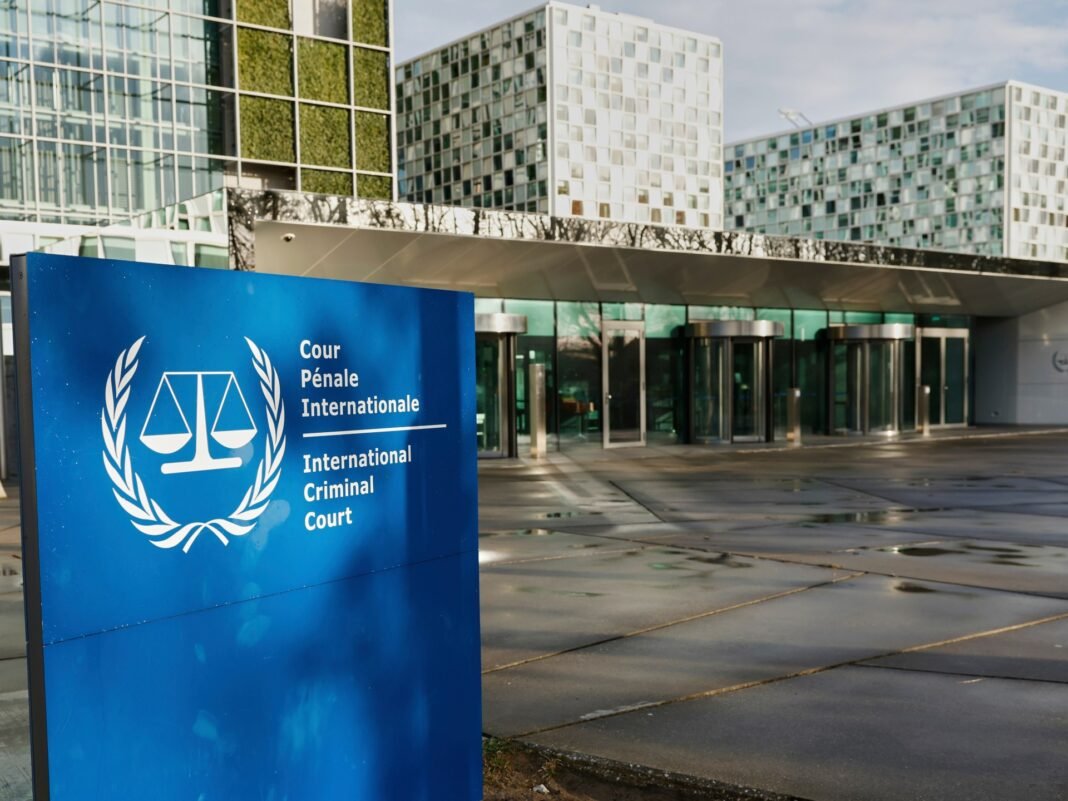
The International Criminal Court (ICC) has officially detained Khaled Mohamed Ali El Hishri, who stands accused of committing serious offenses including war crimes and crimes against humanity at Mitiga Prison in Libya between 2015 and 2020.
Following his arrest by German authorities on July 16, 2025, El Hishri was transferred to the ICC’s detention facilities in The Hague. This handover represents a significant milestone in the ICC’s mission to ensure accountability for violations committed during Libya’s extended conflict period.
Details Surrounding the Charges Against El Hishri
Khaled Mohamed Ali El Hishri is alleged to have held a senior position at Mitiga Prison, where thousands endured prolonged detention under brutal conditions. The charges include direct involvement as well as command responsibility for acts such as murder,torture,rape,and other sexual violence perpetrated from early 2015 thru early 2020.
These accusations are part of a wider investigation launched by the ICC after receiving authorization from the United Nations Security Council (UNSC) in March 2011 to examine severe human rights violations linked to Libya’s civil unrest.
Ongoing Legal Actions and Recent Updates
The arrest comes amid recent reports delivered by Nazhat Shameem Khan, deputy prosecutor at the ICC. She updated UNSC members on progress made toward justice for victims in Libya while highlighting persistent challenges posed by intimidation tactics targeting court officials involved with cases like those connected to Mitiga Prison.
“Survivors of murder, sexual violence, torture and other grave abuses face risks that their pursuit of justice may be undermined due to ongoing coercion,” Khan warned during her briefing.
Libya’s Cooperation with International Justice Mechanisms
Despite not being a signatory to the Rome Statute-the treaty establishing the ICC-Libya agreed earlier this year to accept jurisdiction over alleged crimes committed within its territory from 2011 until December 31, 2027. This arrangement allows investigations and prosecutions despite Libya’s non-member status within the court system.
Additional Arrest Warrants Related to Libyan Cases
The ICC currently holds nine outstanding warrants tied to this investigation. Among those sought are Saif al-Islam Gaddafi-son of former Libyan leader Muammar Gaddafi-and Osama Elmasry Njeem, ex-Chief of Judicial Police.Njeem was briefly detained in Italy earlier this year but released shortly thereafter under unclear circumstances; he reportedly returned voluntarily or or else back into Libyan jurisdiction where he remains wanted by international authorities.
The court continues urging full cooperation from member states such as Italy regarding arrests and legal proceedings connected with these war crime allegations amid ongoing instability across North Africa’s largest nation.
The International Criminal Court: Mandate and Global Impact
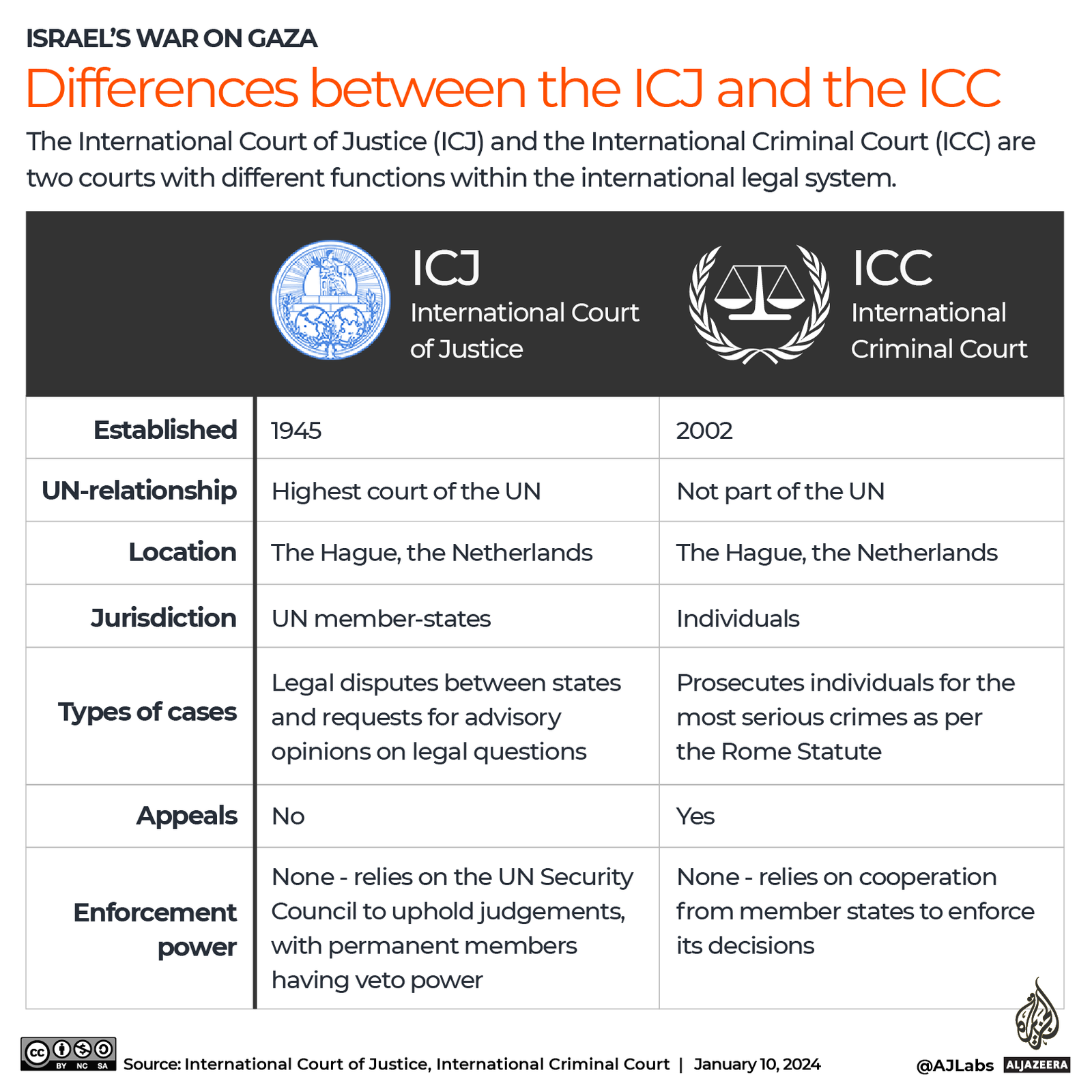
Established in 2002 with headquarters located in The Hague yet operating independently from United Nations bodies,the ICC prosecutes individuals responsible for genocide, war crimes,c rimes against humanity,and aggression worldwide.Unlike institutions like the International Court of Justice (ICJ), which resolves disputes between states,the ICC focuses exclusively on criminal accountability involving persons rather than governments.it relies heavily on cooperation among member countries for enforcement actions including arrests,evidence collection,and witness protection measures.
A Broader Outlook: Pursuing Accountability Amid Global Conflicts
- This case exemplifies an increasing global commitment toward holding perpetrators accountable: since late-2017 alone more than thirty individuals have faced indictments related to abuses within detention centers worldwide-from Myanmar’s Rohingya crisis detentions through ongoing conflicts affecting civilian populations subjected harshly under armed groups’ control.
- A comparable example includes Cambodia’s Khmer Rouge tribunal decades after mass atrocities occurred-illustrating how delayed judicial processes can still deliver meaningful closure when political will aligns with internationally recognized courts such as those embodied by institutions like the ICC today.