Ahmad Vahidi: Leading Iran’s Revolutionary Guard Through Turbulent Times
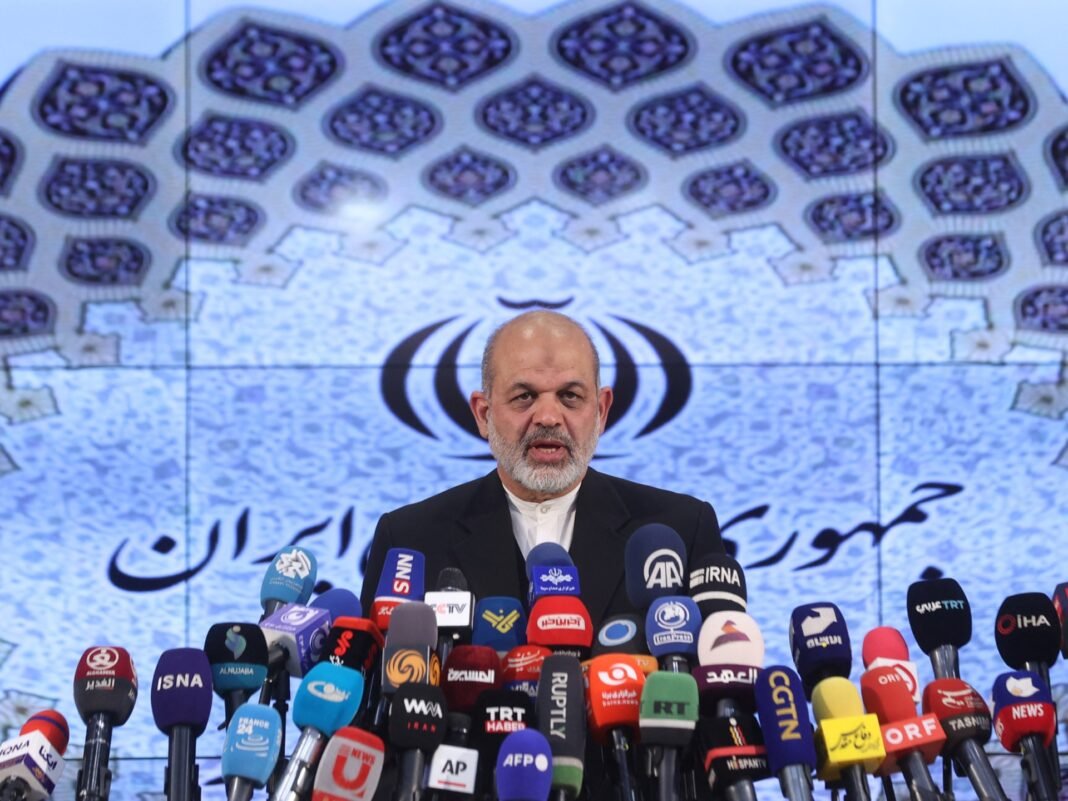
Brigadier General Ahmad Vahidi stands at the helm of one of Iran’s moast pivotal and perilous military roles, commanding the Islamic Revolutionary Guard Corps (IRGC) during a period marked by intense conflict and strategic challenges.
Commanding the IRGC Amid Escalating Hostilities
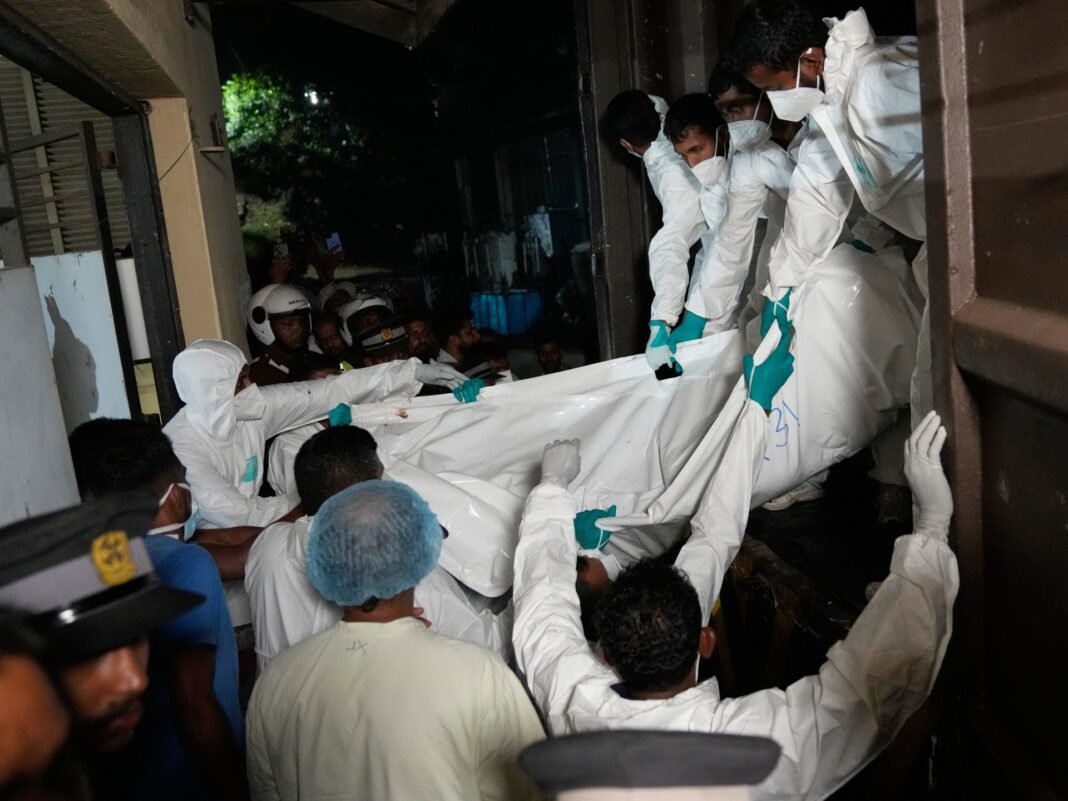
Vahidi took charge of the IRGC amid an aggressive campaign orchestrated by US and Israeli forces targeting Iranian interests. This ongoing confrontation has inflicted over 1,200 casualties, caused significant damage to urban infrastructure across Iran, and led to the targeted elimination of numerous senior military leaders.
The leadership position within the IRGC is fraught with danger. For example, Qassem Soleimani-who led the elite Quds Force for more than twenty years-was killed in a US drone strike authorized in 2020. Similarly, Mohammad Pakpour briefly commanded before Vahidi but was assassinated during early joint Israeli-US operations in February 2026. Pakpour had succeeded Hossein Salami, who himself was eliminated amid fierce clashes in mid-2025.
A Legacy Marked by Rapid Leadership Changes
This swift succession at top levels highlights both internal instability and external pressures that make leading Iran’s foremost military institution exceptionally hazardous. Unlike his predecessors who often operated discreetly or during calmer periods,Vahidi now manages an active multi-front conflict demanding constant vigilance and adaptability.
A Blend of Military Expertise and Political Acumen
Before ascending to IRGC chief just months prior to intensified hostilities, Vahidi served as deputy commander-a role appointed by Supreme Leader Ali khamenei shortly before his death at war onset. His career traces back to the foundation of the IRGC following Iran’s 1979 revolution.
Throughout the late 20th century, he held key intelligence positions and reportedly commanded elements akin to today’s Quds Force from 1988 until passing leadership to Soleimani in 1997-a figure credited with expanding Iranian influence across west Asia until his assassination.
An Ideological Stance Tempered With Strategic Realism
Vahidi openly expresses steadfast commitment to revolutionary principles; upon becoming deputy chief he emphasized that defending “the Islamic Revolution is among humanity’s highest virtues,” denouncing opposition as “the greatest evil.” He frequently commemorates revolutionary anniversaries as transformative moments reshaping regional geopolitics.
Though, beyond ideology lies pragmatism: Involvement in covert arms negotiations during the mid-1980s involving intermediaries linked indirectly with then-US President Ronald reagan demonstrates his capacity for strategic diplomacy aligned with national interests. This experience provides him valuable insight into American and Israeli tactics crucial for navigating current hostilities effectively.
Civilian Government Roles Enhancing Military Leadership
Differentiating him from commanders focused solely on military affairs is Vahidi’s extensive political background. He served as defense minister under Mahmoud Ahmadinejad and later held interior minister responsibilities under Ebrahim Raisi until stepping down in early 2024. This combination of bureaucratic expertise alongside battlefield command uniquely positions him within Iran’s wartime power structure.
the Controversies Surrounding His Career
Despite these qualifications, allegations have shadowed vahidi throughout his tenure: Interpol issued a red notice accusing him regarding a deadly bombing targeting Argentina’s Jewish community center in Buenos Aires (1994), which resulted in 85 fatalities-a charge Tehran vehemently denies as baseless.
Additionally, sanctions imposed by Western governments (US & EU) cite his involvement overseeing harsh crackdowns on nationwide protests triggered by Mahsa Amini’s death while detained over alleged dress code violations (2022). These factors contribute substantially to international perceptions framing him as an uncompromising hardliner within global discourse.
The Strategic Outlook Under Ahmad Vahidi’s Command
- Navigating Institutional Challenges: Entrusted not only with leading but also preparing Iranian forces against anticipated foreign attacks amidst recent losses among senior commanders creating critical gaps within command structures;
- A Decentralized Command Model: Previous reforms introduced distributed leadership networks enhancing organizational resilience even if central authority faces disruption; analysts suggest Vahidi maintains strong connections across these factions enabling coordinated strategy despite fragmentation risks;
- an Inspirational Figure During Crisis:Nader Hashemi notes how appointing someone like Vahidito sustain continuity while motivating rank-and-file troops amid overwhelming adversity remains vital for regime endurance;
“The survival of Iran’s Islamic Republic heavily depends on institutions like the IRGC not only enduring but actively resisting existential threats,” experts emphasize.”
The Path Forward: Navigating Complexities Amid Regional Unrest
This ongoing conflict represents an unprecedented challenge both for Ahmad Vahidias leader and all branches comprising Iran’s defense apparatus.
His unique blend of ideological dedication,broad governmental experience ,and deep understandingof adversary strategies equips him well-but also places immense pressure on delivering tangible results amid escalating violence.
How adeptly he maneuvers this intricate landscape will influence immediate battlefield outcomes while possibly reshaping regional power balances over coming years.