



Hidden Hazards: The Impact of Radon Gas on Canadian Households and Health
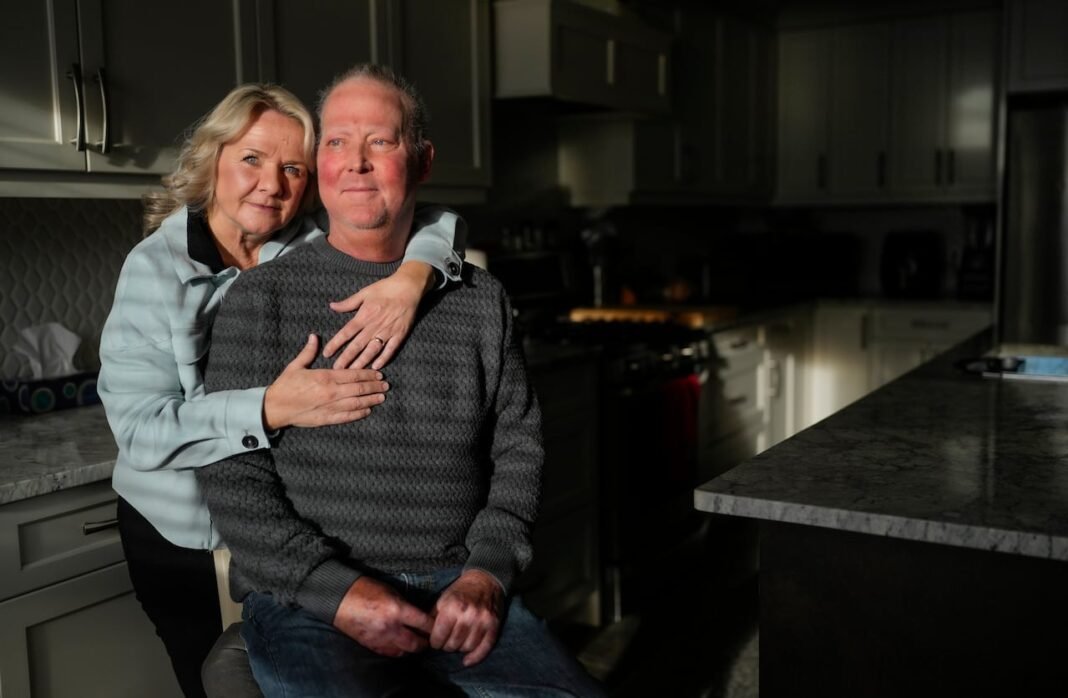
For years, Mark Thompson considered his 2000-built home in Ottawa a secure retreat. With its well-insulated walls, dry basement, and peaceful surroundings, it was the perfect surroundings for his remote work as a software developer. Each weekday morning, after sending his kids off to school, Mark would settle into his basement office for several hours.
Unbeknownst to him, this very space was quietly exposing him to a dangerous threat.
The Unseen Danger Lurking Indoors
At 52 years old in 2024, Mark began noticing an unrelenting cough that wouldn’t subside.Despite maintaining an active lifestyle-regularly hiking and participating in community soccer leagues-he found himself increasingly short of breath during routine activities. Medical evaluations revealed a grim diagnosis: advanced Stage 4 lung cancer with limited treatment options.
This news stunned both Mark and his partner Lisa as he had never smoked or been around secondhand smoke regularly. Their search for answers led them repeatedly back to one invisible culprit: radon gas.
Understanding Radon: A Stealthy Indoor Threat
Radon is a naturally occurring radioactive gas formed by the decay of uranium present in soil beneath our feet.While harmless outdoors due to constant air circulation diluting its concentration, radon can build up indoors-especially within tightly sealed modern homes-and pose serious health risks when inhaled over extended periods.
A radon detector installed by Mark confirmed persistently high levels inside their basement workspace.
“Although no test can definitively link my cancer directly to the house,” Mark shared, “I often wonder about what I breathed every day down there.”
Lung Cancer Attributable to Radon Claims Thousands Annually Across Canada
Lung cancer remains the leading cause of cancer mortality nationwide despite declining smoking rates over recent decades. Approximately 3,200 Canadians die each year from lung cancers caused by radon exposure, highlighting how crucial it is for homeowners across provinces to recognize this hidden hazard.
The issue has intensified as energy-efficient building designs focus on airtight construction that inadvertently traps more radon indoors than ever before.
A Widening Awareness Gap Among canadians
- An estimated 40% of Canadian households are unaware of radon’s existence or associated dangers.
- The most recent national data shows nearly 18% of residences exceed Health Canada’s recommended limit (200 Bq/m³),up from just 7% twenty years ago.
- This translates into roughly 10 million homes potentially harboring unsafe concentrations today.
Pioneering Techniques using Toenail Analysis To Track Radon Exposure Over Time
A novel research initiative at McGill University is exploring innovative ways to measure lifetime individual exposure through toenail samples-a biological record less prone to contamination compared with hair or skin specimens.
Diana Lee explains that inhaled radon decays into radioactive lead isotopes which gradually accumulate within keratin-rich tissues such as nails:
“Toenails offer us measurable evidence reflecting exposure spanning more than ten years.”
The Enterprising Vision Behind The ClearAir Project
- The team aims to gather approximately 12,000 toenail samples nationwide paired with detailed home radon measurements by 2029.
- Nails undergo chemical processing into a slurry followed by mass spectrometry analysis-a precise method separating lead isotopes from other elements-to detect radiation signatures specifically linked with radon exposure.
- This breakthrough could transform lung cancer screening criteria beyond conventional risk factors like smoking history alone.
- “Our goal is developing minimally invasive tests identifying individuals who should receive early screening based on actual environmental exposures,” says thoracic surgeon Dr. Emily Chen.
- This research emerges amid rising cases among never-smokers diagnosed with lung cancers potentially tied directly back to residential environments rather than tobacco use.
Lack Of Thorough Lung Cancer Screening Programs Across Provinces
Catching lung cancer at an early stage considerably improves survival odds through surgery and targeted therapies; however only British Columbia and Ontario currently maintain permanent screening programs-and these primarily focus on moderate-to-heavy smokers only.
- B.C.’s unique pilot program also includes non-smokers living in homes where indoor radon surpasses four times health Canada’s guideline (800 Bq/m³).
- No other provinces yet incorporate environmental factors such as elevated residential radon levels into eligibility criteria despite growing evidence supporting their importance for early detection efforts across diverse populations including non-smokers.
The critical Need For Expanded Public Education And Policy Action
“Awareness about this invisible hazard remains dangerously low,” cautions Dr. michael Grant from the University of Toronto,
who co-leads the National Lung Health Initiative.

A blinking red light on Mark Thompson’s basement monitor signals alarmingly elevated toxic gas concentrations silently accumulating beneath many Canadian rooftops.
Taking Charge: Effective Mitigation and Prevention Strategies Available Now
Soon after discovering hazardous readings at home,Mark and Lisa invested approximately $2800 installing a professional mitigation system designed specifically to vent accumulated gases safely outside without sacrificing comfort or energy efficiency.
Lisa stresses that enhanced public education combined with broader screening protocols could save countless lives:
“by understanding how much risk comes from our living environments,
we can encourage healthcare systems toward earlier detection even among those who have never smoked.”


