Rising Tensions Among Iran, U.S., and Allies Disrupt Middle East Stability
First Week of Conflict Sees Sharp Military Escalation
The recent clash between Iran and the United States has rapidly intensified, with Iranian missile strikes targeting Gulf countries while Israel conducted air raids on critical infrastructure in Tehran. This marks a notable surge in hostilities that erupted just seven days ago.
U.S. leadership issued stern warnings, with President Donald Trump asserting, “Iran will face harsh repercussions today!” Simultaneously, Israeli Prime Minister benjamin Netanyahu hinted at “unexpected developments ahead” as the conflict deepens. Iranian officials responded by stressing their preference to avoid war but warned that aggressors would be held responsible for initiating violence.
The coordinated U.S.-Israeli offensive aims to cripple Tehran’s nuclear ambitions and ballistic missile capabilities while applying pressure for political change within Iran. according to U.S.Central Command reports, over 3,000 targets have been engaged during this opening week under the codename “Operation Epic Fury.”
The Israel Defense Forces confirmed multiple sorties over Tehran involving fighter jets deploying roughly 230 munitions against military sites linked to the regime’s strategic assets.
Expansion of Targets: Civilian Infrastructure Now in Crosshairs
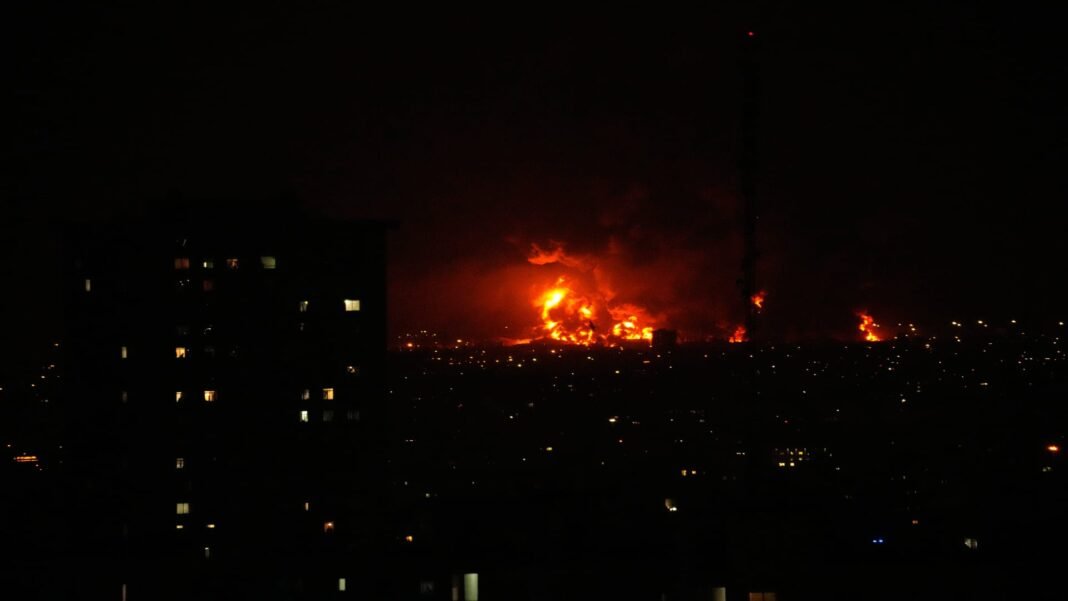
An unprecedented strike hit an oil storage complex south of Tehran-one of the first civilian industrial facilities targeted amid these clashes. Iranian state media attributed this attack to joint operations by American forces and Israeli agents aiming at fuel supply hubs servicing both Tehran and northern provinces.
This shift from exclusively military objectives toward vital economic infrastructure signals a broader scope of engagement that could destabilize regional economies further.
Persistent Missile Barrages Threaten Gulf Nations’ Security
Borders along the Persian Gulf remain under constant threat as waves of missiles and drones launched from Iranian territory challenge air defenses daily. The United Arab Emirates reported detecting 121 unmanned aerial vehicles (UAVs) on a single day recently-successfully intercepting 119 before two managed to land inside UAE borders without causing significant damage.
Iran claimed responsibility for a drone swarm assault on al dhafra Air Base near Abu Dhabi shortly after statements from President Masoud Pezeshkian declaring his country would halt attacks against neighboring Gulf states-a claim met with skepticism given ongoing hostilities.
Internal Struggles: Calls for Unity Amid Rising Pressures Within Iran
A key figure within Iran’s security establishment, Ali Larijani, reiterated opposition to war but emphasized accountability for those who provoke aggression while urging national cohesion during these challenging times.
Pezeshkian publicly apologized to neighboring countries over escalating tensions yet reaffirmed Iran’s determination not to capitulate despite mounting external demands from Washington’s governance for unconditional surrender.
“We must set aside our differences today; defending our homeland with dignity is paramount,” Pezeshkian declared via social media following President Trump’s calls earlier demanding unconditional submission from Iran.
Dissent Among Hardliners Challenges Moderate Stances
Pezeshkian’s conciliatory tone sparked criticism among hardline factions within clerical circles and Revolutionary Guard ranks alike; influential lawmaker Hamid Rasai denounced his approach as weak and unprofessional-highlighting internal rifts about how best to confront foreign pressures amid ongoing warfare conditions.
the Gulf Region Faces Heightened Security challenges amid conflict
- Activated Air Defenses: Saudi Arabia intercepted several ballistic missiles aimed at strategic military bases including Prince Sultan Air Base used by American forces; nine out of ten incoming drones were also neutralized during recent retaliatory strikes attributed to Tehran.
- Civil Safety Measures: Dubai authorities issued emergency alerts advising residents take shelter indoors away from windows due to nearby explosions detected early Saturday morning; airport passengers were temporarily relocated into underground transit tunnels as precautionary steps.
- Toll From Hostilities: Official counts report more than 1,500 fatalities inside Iran since fighting began alongside over 300 casualties in Lebanon plus confirmed deaths inside Israel reaching double digits; six American soldiers have also died supporting allied operations.
Navigational Disruptions Severely Impact Strait Of Hormuz Traffic Flow
The Strait of Hormuz-a crucial maritime chokepoint responsible for approximately one-fifth of global oil shipments-is experiencing near-complete suspension of commercial vessel traffic due largely to fears about collateral damage amid active combat zones nearby.
A recent study found only four commercial ships passed through this vital waterway within a single day-the lowest volume recorded as monitoring began decades ago-effectively rendering it closed despite no formal blockade declared by Iranian authorities themselves who cite wartime operational challenges rather.
Kuwait Cuts Oil Production Citing Regional Instability Risks
Kuwait announced reductions in crude output citing threats posed by instability around shipping lanes through Hormuz which jeopardize safe passage essential for energy exports worldwide-a move reflecting growing concerns across OPEC members regarding supply chain vulnerabilities triggered directly or indirectly by escalating conflicts involving Iran or its allies.
Sustained Energy Price Surges Shake Global Markets
< p >The ripple effects extend well beyond regional borders: US West Texas Intermediate crude futures surged more than 35% last week-the largest weekly increase ever recorded as futures trading began nearly forty years ago-with Brent crude prices climbing sharply behind registering gains unseen since pandemic disruptions back in early 2020.< / p >
< h2 >Leadership Uncertainty Fuels Debate Over Future Direction< / h2 >
< p >Amidst turmoil including rumors surrounding Supreme Leader Ayatollah Ali Khamenei’s health status circulating unofficially amidst chaos,< strong >two senior clerics< / strong >have called for expedited appointment procedures aimed at stabilizing governance structures currently managed temporarily via collective councils per constitutional provisions.< / p >
< p >< strong >Grand Ayatollah Naser Makarem Shirazi< / strong >urged swift leadership selection “to better coordinate national affairs,” signaling unease among religious elites uncomfortable leaving power fragmented indefinitely during crisis periods.< / p >
< p >< em >Meanwhile,< / em > former US President Donald Trump controversially suggested America should influence choosing Khamenei’s successor-a proposal firmly rejected outright by all factions inside Tehran emphasizing sovereignty principles remain paramount nonetheless of external pressures.< / p >