Escalation in US-Iran Tensions Following Strait of Hormuz Blockade
Conflicting Reports on Ceasefire Initiatives
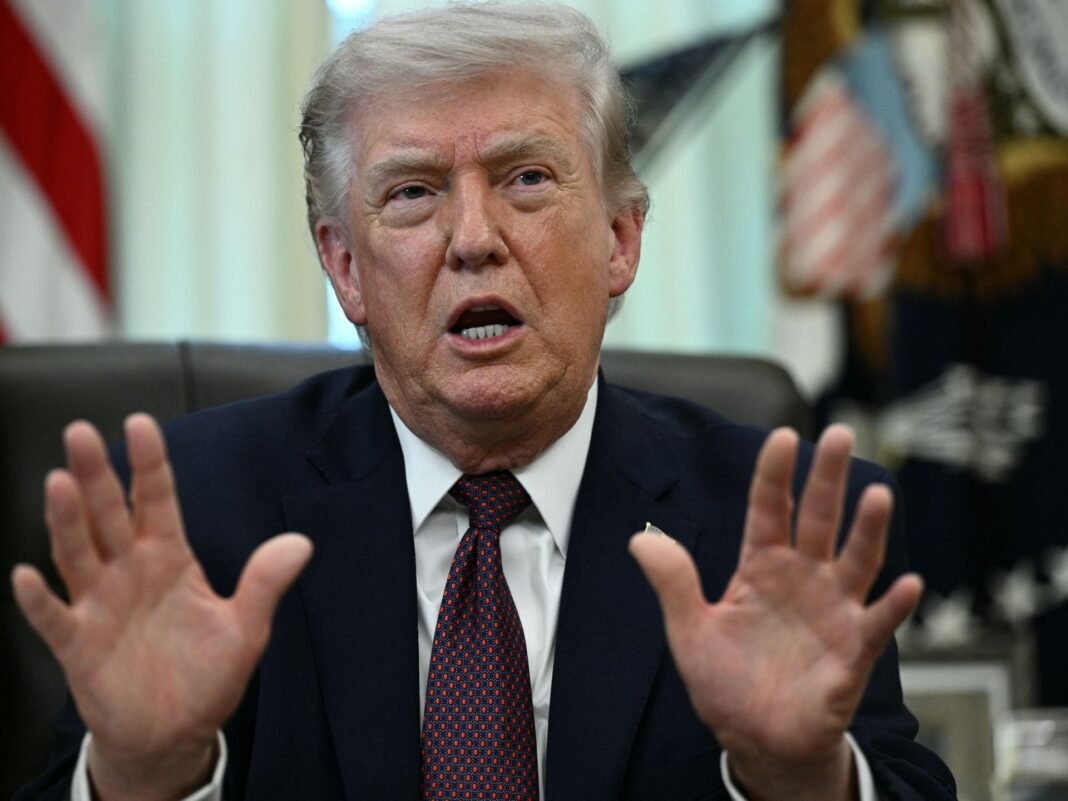
Senior Iranian officials have categorically denied claims made by former US President Donald Trump that Iran’s newly appointed leadership has sought a ceasefire.This rebuttal emerges amid intensifying hostilities involving the United States, Israel, and Iran, with ongoing military operations substantially affecting regional stability.
Tehran sources have dismissed Trump’s social media assertions about Iran requesting a pause in combat activities, stressing that no formal dialogue regarding a ceasefire has been directed toward Washington.
Trump’s Position on Military Pressure and Strait Access
In recent statements posted on his Truth Social platform, Trump emphasized that any discussion of halting conflict hinges entirely on the reopening and unimpeded navigation through the Strait of Hormuz. He pledged to maintain robust military pressure until this vital maritime passage is fully accessible.
“We will continue relentless strikes against Iran until the Strait is reopened,” he declared, highlighting an uncompromising stance aimed at securing freedom of movement through this strategic corridor.
The Critical Role of the Strait of Hormuz in Global Energy Flow
The Strait of Hormuz functions as an essential conduit for global energy transportation-approximately 21 million barrels per day (around 20% of global oil trade) transit this narrow waterway. Its closure due to conflict raises notable concerns over prolonged disruptions to energy markets and potential cascading effects across international economies.
Economic Ramifications Amid Rising Fuel Prices
The ongoing confrontation has contributed markedly to soaring fuel prices worldwide. Experts warn that persistent instability around this chokepoint could intensify inflationary pressures already burdening consumers globally.
Although some US officials have suggested hostilities might conclude within weeks-potentially alleviating economic strain-the prevailing rhetoric indicates sustained military engagement may extend beyond initial expectations.
Civilian Consequences and Scrutiny Over Military Methods
Mohamad Elmasry from Doha Institute for Graduate Studies expressed grave concerns regarding the scale and intensity of attacks targeting Iranian urban centers. He noted extensive use of heavy munitions-including bombs weighing up to 900 kilograms-striking civilian infrastructure such as schools, hospitals, and residential districts.
“the devastation surpasses targeted strikes; entire neighborhoods are being obliterated,” elmasry stated. “This situation raises profound humanitarian issues amid escalating violence.”
Ahead: Anticipated Updates from Upcoming US Policy Speech
An upcoming address by President Trump is expected to outline current US policy toward Iran; however, analysts predict no immediate announcement signaling cessation of hostilities will be made. Rather, it is indeed likely he will acknowledge short-term economic challenges while reaffirming commitment to continued operations over coming weeks.
Navigating Complexities Toward Potential Resolution
- Divergent narratives between Washington and Tehran complicate diplomatic efforts aimed at de-escalation;
- The reopening of the Strait remains pivotal not only for regional peace but also for stabilizing global energy supply chains;
- Civilian casualties continue prompting international concern regarding proportionality in military responses;
- Sustained dialogue among global stakeholders will be essential in addressing both security imperatives and humanitarian needs moving forward.
Evolving Geopolitical Landscape Impacting Energy Security Worldwide
This crisis underscores how localized conflicts can swiftly disrupt international markets-particularly within energy sectors-and highlights why strategic waterways like the Strait are critical geopolitical flashpoints today more than ever before. With nearly one-fifth of all seaborne oil passing through annually (over 21 million barrels daily), any interruption sends shockwaves far beyond regional boundaries affecting economies across Asia, Europe, and beyond.
A turning Point in Middle Eastern Power Dynamics?
The current turmoil reflects broader shifts within Middle Eastern geopolitics where alliances face strain amid competing interests involving major powers such as Russia’s role supplying alternative energy sources amidst sanctions targeting iran’s economy.
As these developments unfold alongside other persistent conflicts worldwide-including Ukraine-the intricate linkages between security policies and economic stability become increasingly evident.
Grasping these complexities remains crucial when evaluating future scenarios connected directly or indirectly with events surrounding Iran today.