FBI Director Kash Patel’s Personal Email Breached by Iran-Linked Hackers
Unveiling the Cyber Intrusion adn Evidence Confirming the Hack
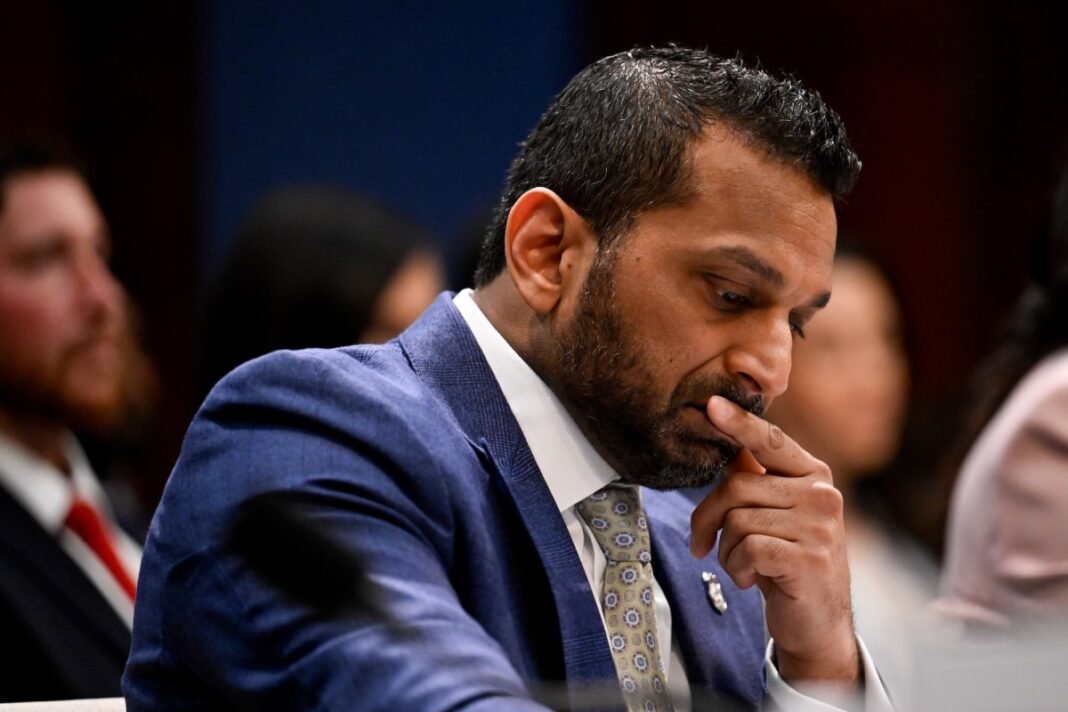
A cyber espionage group known as “Handala,” believed to operate with backing from Iranian intelligence, has announced that it successfully accessed FBI Director Kash Patel’s private Gmail account. The hackers released several photographs of a younger Patel along with a downloadable archive containing files purportedly extracted from his email correspondence.
Experts verified the authenticity of some leaked emails by examining cryptographic signatures embedded within them, confirming they originated from Patel’s Gmail account. Further analysis linked certain messages to an earlier Justice Department email address used by Patel dating back to 2014, reinforcing the breach’s credibility. The compromised data appears to cover communications up until roughly 2019.
Government Reaction and Protective Actions Taken
An official spokesperson for the FBI acknowledged awareness of attempts targeting Director Patel’s personal email but stressed that robust security measures have been enacted to mitigate any potential damage. They emphasized that no classified or sensitive government information was exposed since the leaked content is historical and unrelated to current official responsibilities.
The FBI has also announced a reward of up to $10 million for actionable intelligence leading to those responsible for Handala’s cyber operations.
Rising Tide of Iran-Sponsored Cyberattacks Amid Geopolitical Strains
This breach comes amid an escalation in cyber offensives attributed to Handala during ongoing tensions between Iran and U.S.-Israeli alliances since early 2026.Previously, Handala claimed responsibility for a crippling attack on MedTech Solutions (a pseudonym), which wiped tens of thousands of devices across multiple states-severely disrupting healthcare services nationwide.
The U.S.government responded by seizing several internet domains associated with Handala; however, these sites quickly reappeared under new addresses. Federal prosecutors have formally charged Iran’s Ministry of Intelligence and Security (MOIS) with directing this hacktivist collective’s activities.
Doxxing Military Personnel: A Strategy To Undermine Morale
In addition to corporate targets, handala has published personal data belonging to individuals affiliated with various foreign defense organizations-a tactic aimed at eroding adversary morale through exposure of sensitive personnel information reminiscent of prior campaigns targeting military staff worldwide.
Email Authentication Methods Employed During Investigation
- Metadata Inspection: Analysts scrutinized message headers revealing sender details and preventing claims that emails were forged or spoofed.
- Verification via Digital Signatures: Cryptographic signatures embedded in emails matched those expected from genuine accounts controlled by Kash Patel or his former DOJ address.
- Timestamps Cross-Referencing: Correlating dates helped establish timelines consistent with known periods when Patel held federal positions, supporting authenticity claims.
No Official Statements From Involved Individuals Yet
No direct replies were received following outreach attempts made using contact information found within leaked materials allegedly connected to Kash Patel. Similarly,inquiries sent through channels publicized by Handala remained unanswered at time of reporting.
“the FBI remains steadfast in protecting national security interests while actively pursuing perpetrators who threaten our digital infrastructure,” stated an agency representative regarding ongoing investigations into state-sponsored cyber threats targeting senior officials’ private communications.”
The Expanding Cyber Threat Habitat: Insights From Recent Incidents
This incident highlights how nation-state-backed hackers increasingly exploit personal accounts linked indirectly or historically with government figures-exposing vulnerabilities beyond official networks themselves. For instance, last year witnessed similar breaches involving private correspondence belonging to prominent political advisors revealing strategic discussions outside secured platforms.
The dynamic evolution of such attacks underscores why cybersecurity strategies must comprehensively encompass both professional systems and personal digital environments utilized by public officials today.