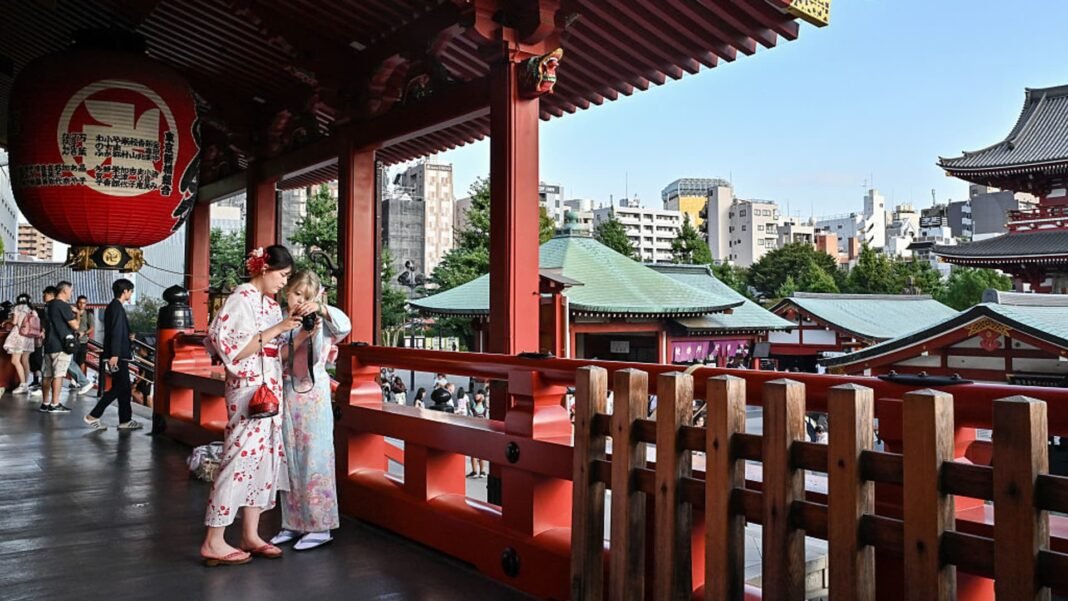
transformations in Japan’s Tourism Amid Shifting Visitor Demographics
After living in Tokyo for over a year,33-year-old Malaysian resident karin Nordin noticed a significant change in tourist activity. The once-crowded hot spring destinations like Kusatsu and Zao, which previously attracted many Chinese travelers, now seemed far less busy.
“During my recent visits to Tokyo, the number of tourists from mainland china has dropped noticeably,” Nordin remarked upon returning to Malaysia in early 2026.
Tourism Industry Adjusts to Changing Visitor Trends
This reduction is evident throughout Japan’s tourism sector. Hotel prices at popular spots have stabilized and no longer spike during Chinese holidays as they used to. This pattern corresponds with data revealing a sharp decline in arrivals from mainland China by late 2025.
the Japan National Tourism Organisation (JNTO) recorded that arrivals from mainland China plunged by more than 60% year-over-year in January 2026.Despite this steep fall, overall inbound tourism only decreased by about 5%, demonstrating resilience within the broader market.
Emergence of New Tourist Markets
The drop in chinese visitors is largely attributed to diplomatic strains following comments made by Japanese Prime Minister Sanae Takaichi last November. Though, othre countries are stepping up as key sources of tourists. South Korea has become the top contributor; January statistics show South Korean visitor numbers rose nearly 22%, surpassing those from mainland china for the first time this year.
Taiwanese travelers also increased considerably-by approximately 17%-nearly doubling the number of visitors arriving from China during that month alone.
Why Neighboring Nations Are Increasingly Choosing Japan
The appeal for tourists from nearby countries stems partly from short flight durations and favorable exchange rates due to a weakened yen. Moreover, cultural similarities combined with perceptions of safety enhance Japan’s attractiveness among these groups.
Zilmiyah Kamble, an expert on hospitality studies at James Cook University, points out that although fewer Chinese tourists represent a notable loss given their high expenditure on luxury items and services, Japan’s traditionally diverse visitor base cushions it against shocks affecting any single market segment.
Regional Shifts Reflect Evolving Tourist Preferences
The decline in Chinese visitors has reshaped travel patterns across various prefectures. Cities like Kyoto and Osaka-historically favored by Chinese tourists-are seeing downturns; meanwhile regions such as Fukushima are drawing more Taiwanese visitors interested in natural beauty and cultural heritage sites.
- Nara Prefecture: Famous for its historic temples and deer parks but facing challenges due to fewer visits from China;
- Ehime Prefecture: Growing popularity among South Korean travelers attracted by golf resorts and hot springs;
- Hiroshima: Gaining attention mainly from Western tourists including Americans, Australians, and Europeans visiting landmarks such as the Peace Memorial Museum;
“When I visited Hiroshima’s Peace Memorial Museum last Febuary,” shared Singaporean student Cheryl Ng, “I observed that roughly two-thirds of attendees were Westerners.” This aligns with economic insights highlighting Hiroshima’s strong appeal among Western audiences fascinated by World War II history.”
The Influence of Currency Movements & Accommodation Limitations
A persistently weak yen continues to encourage inbound travel despite accommodation shortages constraining growth potential according to Oxford Economics analysts. Mastercard’s chief economist for Asia-Pacific notes current visitor numbers exceed pre-pandemic levels by about one-third while spending per traveler has risen thanks largely to currency advantages boosting purchasing power.
The Future: prospects for Mainland Chinese Tourists’ Return
The timeline for restoring mainland Chinese tourist flows remains uncertain amid ongoing geopolitical tensions between Beijing and Tokyo. Analysts predict recovery will be gradual rather than immediate as businesses shift focus toward attracting ASEAN nations alongside Europe and North America through marketing tailored specifically toward these demographics’ preferences.
- A noticeable trend involves department stores increasing promotions aimed at Southeast Asian consumers rather of relying solely on traditional high-spending groups like those from China;
- Sellers are diversifying merchandise offerings catering broadly across international tastes rather than concentrating narrowly on products favored exclusively by Chinese shoppers;
Diverse Factors Driving Travel Decisions Beyond Politics
Kamble emphasizes multiple influences shaping travel trends beyond diplomatic relations: consumer confidence shaped through social media narratives; economic conditions affecting disposable income; airline connectivity facilitating or restricting access; plus overall political stability impacting traveler sentiment worldwide-all adding complexity that hinders any rapid rebound scenario for China’s outbound tourism toward Japan.
“Rebuilding trust requires considerable time especially within today’s digitally connected habitat where facts spreads instantly,” Kamble explains.
A Dynamic Yet resilient Tourism Sector Ready For Adaptation
Total inbound visitor numbers remain strong despite setbacks primarily caused by reduced arrivals specifically originating from mainland China since late last year. The diversification into emerging markets such as South Korea,Taiwan,and Western countries combined with favorable currency conditions suggests sustained strength ahead – though accompanied by evolving regional dynamics demanding flexible strategies throughout Japan’s travel industry landscape moving forward.