Federal Court Rejects Trump’s $15 Billion Defamation claim Against The New York Times
Summary of the Court’s Decision
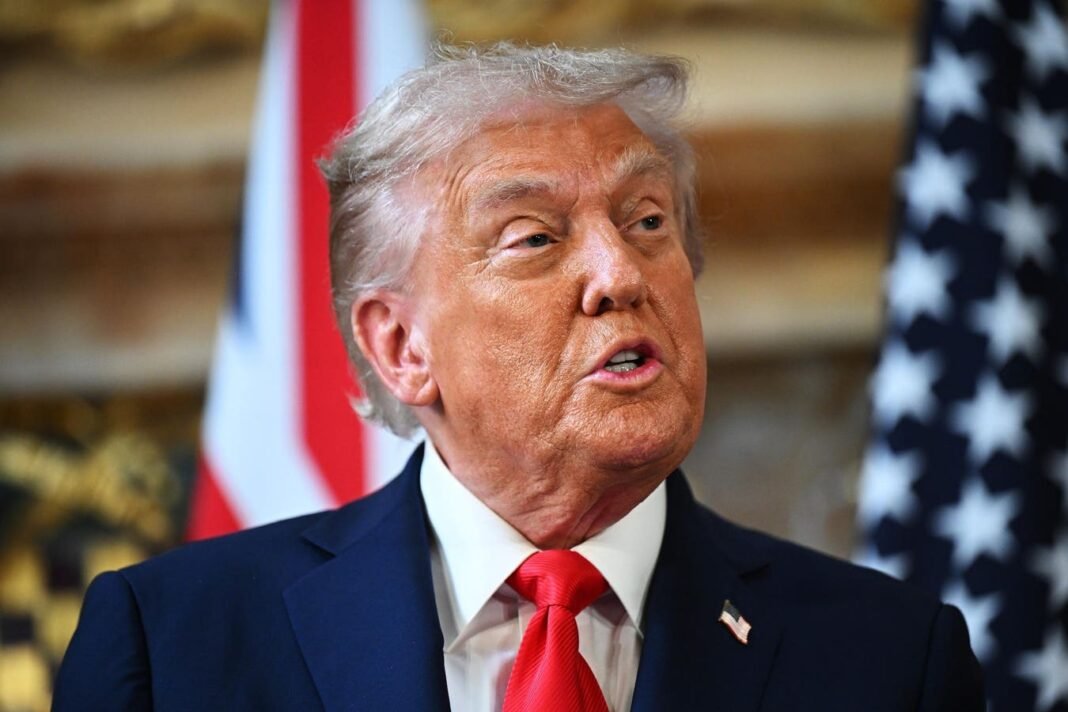
A federal judge dismissed former President Donald Trump’s $15 billion defamation lawsuit against The New York Times, citing procedural shortcomings and excessive length. The court found the complaint to be overly detailed and unfocused given it contained only two defamation claims.
Judge Steven Merryday pointed out that the filing violated Rule 8, which requires complaints to be “simple, concise, and direct.” Despite spanning 85 pages, the suit included just two counts of defamation-one appearing on page 80 and another on page 83-making it unnecessarily lengthy and tough to navigate.
The Judge’s Remarks on Legal Filings Versus Political Rhetoric
Merryday criticized the complaint for including irrelevant content such as praise for Trump’s former television show The Apprentice, described in the suit as embodying “the cultural meaning of President Trump’s unique genius” reflective of modern society. He deemed thes statements extraneous and inappropriate within a legal document.
The judge emphasized that legal pleadings should not double as platforms for political messaging or public relations efforts similar to speeches at venues like Speakers’ Corner in london. Instead, filings must concentrate solely on factual allegations relevant to the case at hand.
Guidance for Revising the Complaint
The court granted Trump a period of 28 days to submit an amended complaint limited to no more than 40 pages. This measure aims to promote clarity and brevity in future submissions while aligning with judicial standards for effective pleadings.
Core Claims Against The New York Times
The lawsuit accused The New York Times of publishing defamatory material intended to damage Trump’s global business reputation, interfere with his anticipated presidential campaign in 2024, and prejudice ongoing judicial matters involving him or his companies. Key targets included three specific articles along with a book titled lucky Loser: How Donald Trump Squandered His Father’s Fortune and Created the Illusion of Success, released during a previous election cycle.
media Conflicts Reflect Broader Political Divides
This case is part of an ongoing pattern where Trump’s team has frequently engaged media organizations thru lawsuits, funding challenges, and regulatory scrutiny. As an exmaple:
- A recent congressional decision cut $1.1 billion from public broadcasters such as NPR and PBS amid debates over media influence.
- CBS News’ parent company agreed to pay $16 million following claims that an interview with Vice President Kamala Harris was deceptively edited; this settlement came shortly after regulatory approval was granted for Paramount’s merger with Skydance during heightened FCC oversight related to broadcast licenses.
- The federal Communications Commission chairman has issued warnings about broadcasters’ responsibilities under their licenses after networks like ABC suspended programs critical of conservative figures aligned with Trump’s base-highlighting increased regulatory pressure tied closely with political dynamics surrounding media coverage.
A Global Perspective: Legal Battles Over Media Narratives
This dispute exemplifies a worldwide trend where political leaders use litigation strategically against news outlets reporting unfavorable stories.Similar high-profile cases have emerged across Europe where politicians have sued journalists over investigative reports alleging corruption or misconduct-demonstrating how courts increasingly serve as battlegrounds over reputations amid polarized societies.
The Necessity for Precision in Complex Litigation
This dismissal underscores courts’ insistence on clear legal documentation regardless of who files them; sprawling complaints filled with irrelevant commentary risk being thrown out before substantive issues are addressed-a principle reinforced by judges nationwide facing millions of new cases annually across U.S. district courts according to recent federal judiciary data (2024).