PicSee: Revolutionizing Personal Photo Sharing with Smart Automation
Emergence of New Photo-Sharing Platforms
In recent years, a wave of photo-sharing applications has emerged, challenging the highly curated nature of Instagram by promoting more authentic, unfiltered snapshots directly from users’ camera rolls. Apps like Locket have innovated by enabling photo sharing directly to friends’ lock screens, while Retro offers a collaborative photo journaling experience. Meanwhile, Yope focuses on creating private Instagram-like spaces for close-knit groups.
Introducing PicSee: Seamless Sharing Without Messaging Hassles
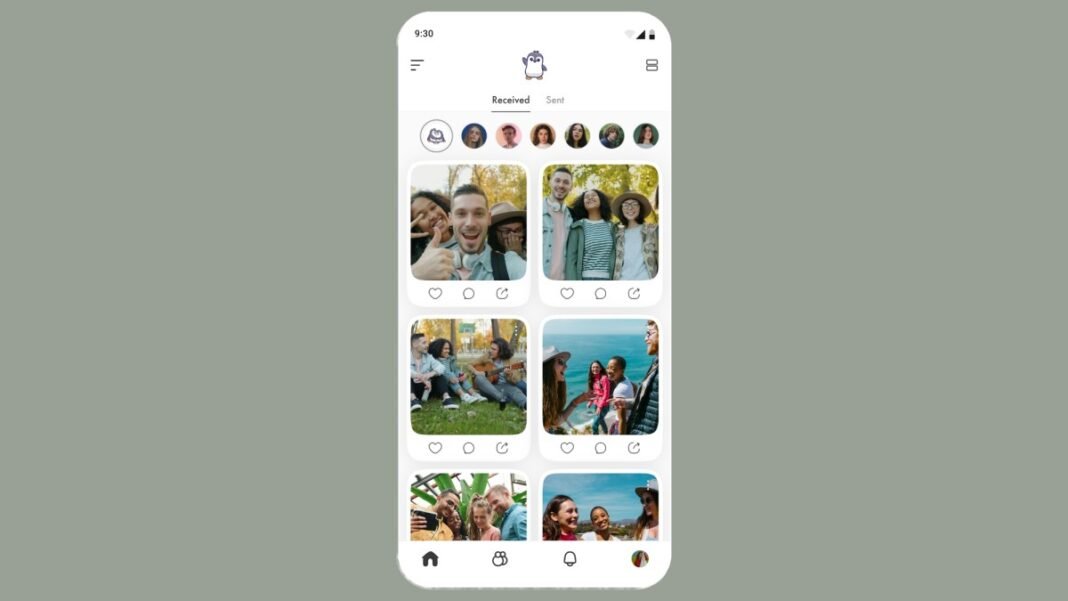
Building on this trend, Mayank Bidawatka, co-founder of the now-defunct Indian social network Koo, has launched PicSee, a fresh photo-sharing app available on both iOS and Android platforms. Unlike traditional apps that rely on manual sharing through messaging services such as WhatsApp or Instagram, PicSee automatically identifies photos of your friends stored in your camera roll and facilitates effortless sharing with them.

How PicSee Detects and Shares Photos of Your Friends
Bidawatka highlights a common scenario: many peopel possess numerous photos of their friends that they never receive themselves-either because those images were forgotten or never shared. PicSee leverages advanced facial recognition technology to scan your gallery locally and pinpoint pictures featuring your contacts.
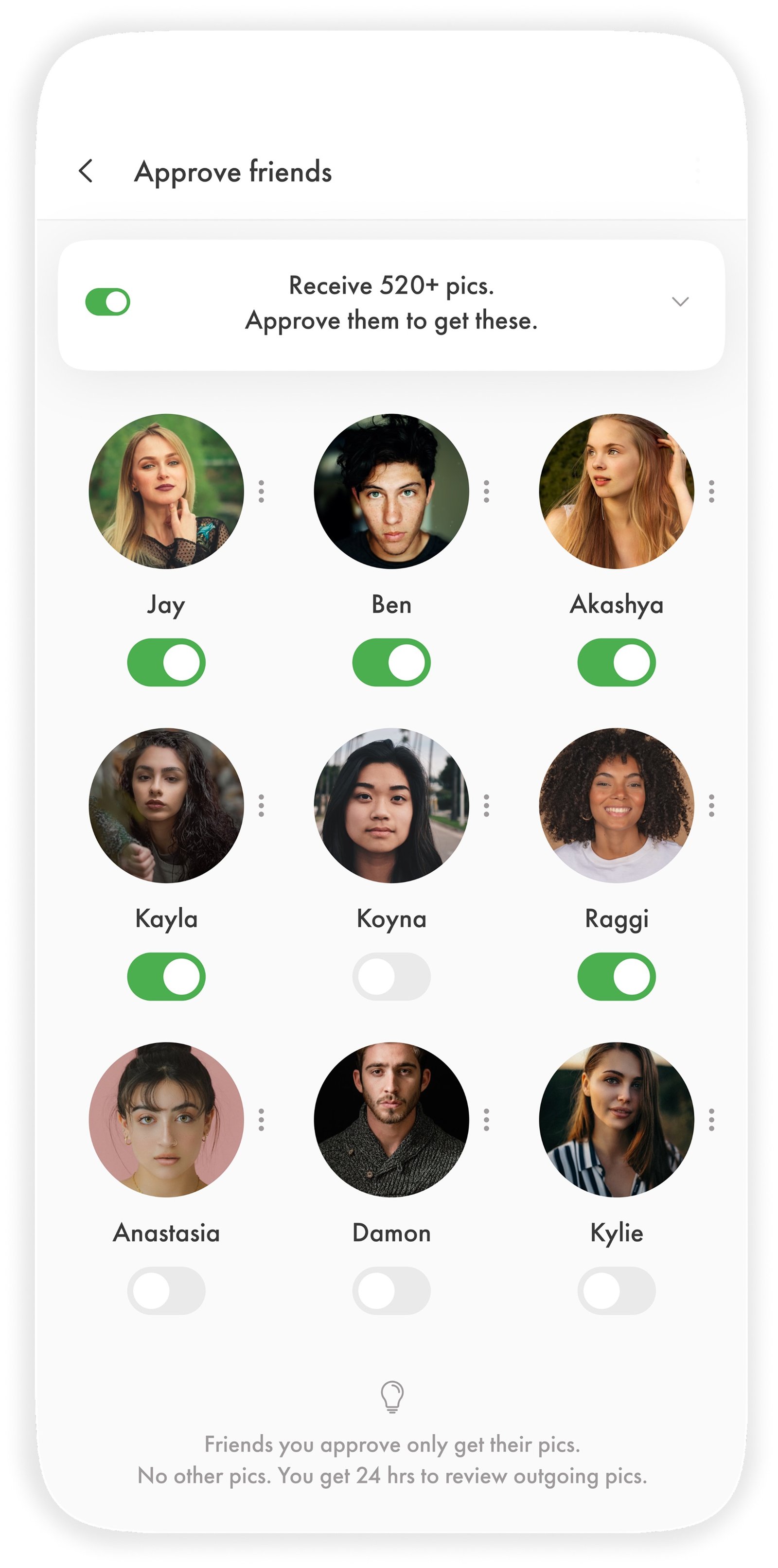
Once you send a sharing request to a friend who is also using PicSee and they accept it, the app delivers an initial batch of photos containing them from your collection. Subsequently, any new images detected with their faces will prompt you to share them as well.
Simplified Sharing with Automatic Delivery
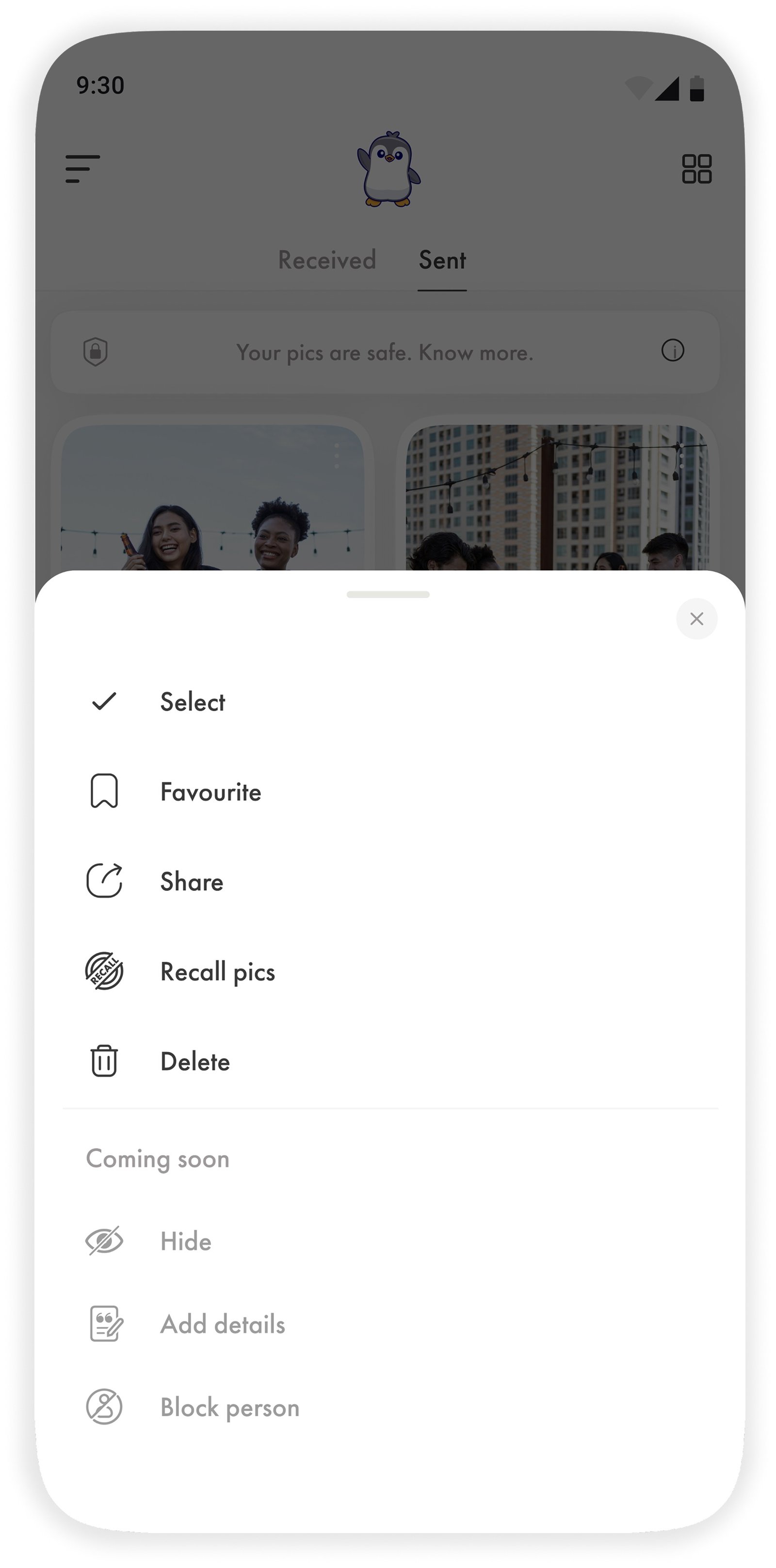
If you delay sending newly identified photos manually, the app automatically dispatches these images after 24 hours unless you choose or else during review. All pictures remain stored locally within the app’s secure storage area on your device; users can opt to save copies directly onto their phone’s main storage if desired. Additionally,sent photos can be recalled at any time-removing them from recipients’ devices instantly.
User Privacy and Security Measures in Focus
The developers emphasize robust privacy safeguards throughout the user experience. Facial recognition processing occurs entirely offline on each individual device rather than relying on cloud servers. When transmitting images between users, encrypted connections ensure data security during transfer phases only; no personal content is ever stored remotely by the company.
The application also incorporates filters designed to block inappropriate NSFW content automatically and prevents screenshots within its habitat for added protection against unauthorized distribution.
Navigating Challenges Around Selective Sharing Habits
A notable hurdle for PicSee lies in its selective nature-while automatic photo-sharing suits intimate circles such as family members or close friends perfectly well, most individuals hesitate before extending this level of access broadly across acquaintances or casual contacts.
This reluctance stems partly from existing habits where people already use platforms like WhatsApp or Snapchat for controlled photo exchanges among trusted groups; convincing users to adopt another dedicated tool for this purpose requires demonstrating clear added value for managing smaller social circles more efficiently.
The Event Photo Dilemma and Future Enhancements
An unresolved issue remains when multiple attendees want access to event-specific photographs-such as concerts or weddings-that one person captured but others desire later access to. While PicSee‘s current model excels at identifying individuals across personal galleries, it does not yet fully address collaborative event album creation or cross-user photo pooling scenarios.
The team plans ongoing improvements including chat functionalities allowing comments beneath shared pictures for richer interaction among participants pictured together.
Upcoming Features Under Progress
- User-managed albums with options for suggestions based on detected faces;
- Duplication removal tools enhancing gallery organization;
- Smoother integration capabilities with popular cloud services like Google Photos and iCloud;
- An extension of face detection technology into video files stored locally;
- A more thorough social engagement layer fostering community around shared memories.
Billion Hearts’ Backing Fuels Innovation at Scale
The startup behind PicSee, Billion Hearts, secured $4 million in funding last year lead by Blume Ventures alongside General Catalyst and Athera Ventures participation-providing resources necessary for rapid development amid growing competition in personalized photo-sharing solutions worldwide.