Kraft Heinz Pledges to Remove Artificial FD&C Dyes by 2027
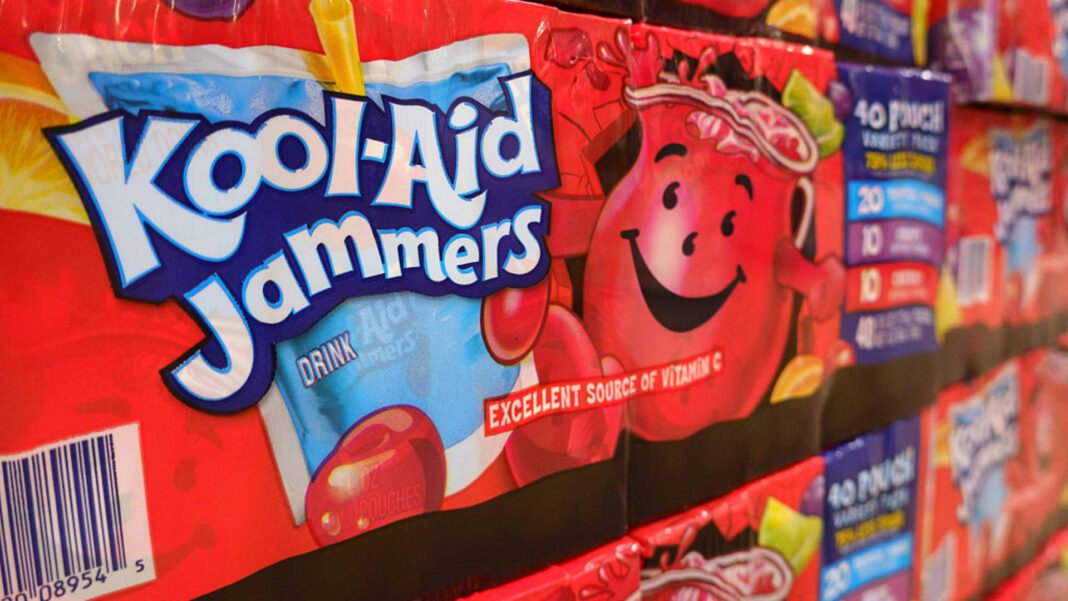
In a San Diego Costco, shelves display colorful kool-Aid Jammers, a product soon to be reformulated as Kraft Heinz commits to eliminating synthetic food dyes from its portfolio.
Phasing Out Synthetic Food Colors
Kraft Heinz has announced plans to completely remove all FD&C artificial dyes from its U.S. products by the close of 2027. The company also confirmed it will refrain from launching any new items containing these synthetic color additives in the American market. Currently, about 10% of Kraft Heinz’s U.S.-sold products include these artificial colors, which are primarily used to enhance visual appeal.
Notable brands affected include Crystal Light,MiO,Jell-O,Jet-Puffed marshmallows,and Kool-Aid.
Consumer Health and Reformulation Efforts over Time
This initiative builds on earlier reformulations; for example, Kraft removed artificial colors and preservatives from its classic macaroni and cheese back in 2016. Their ketchup has never contained synthetic dyes either.Pedro Navio, North America president at Kraft Heinz, highlighted that while removing these colors might make some products less visually vibrant, it aligns with increasing consumer demand for cleaner ingredients.
Navigating Between Visual Appeal and Wellness
The transition raises crucial questions about consumer acceptance: Will shoppers favor more natural-looking foods even if they appear less luminous? This tension mirrors wider industry challenges where health-conscious trends sometimes clash with traditional marketing strategies that rely heavily on vivid packaging and eye-catching food coloring.
Regulatory Forces Driving Industry Change
The move follows mounting pressure from federal agencies such as the Food and Drug Administration (FDA) and the Department of Health and Human Services (HHS). Under leadership focused on public health initiatives like “Make America Healthy Again,” there is a concerted effort to reduce dependence on petroleum-based synthetic dyes nationwide.
In April 2025, the FDA outlined plans to phase out several commonly used artificial colorants by late 2026-including Red No. 40 (Allura Red),Yellow No. 5 (Tartrazine), Yellow No. 6 (Sunset Yellow), Blue No.1 (Brilliant Blue), blue No. 2 (Indigo carmine), Green No. 3-and reiterated an existing ban on red No.3 due to carcinogenicity concerns observed in animal studies.
Collaborative Industry Discussions Without Binding agreements
- The dialog involves executives from major corporations such as PepsiCo North America, General Mills, WK Kellogg , Tyson Foods, J.M smucker ,alongside trade organizations like the consumer Brands Association.
- Kraft Heinz expressed enthusiasm for working closely with government agencies toward delivering nutritious yet affordable foods accessible across diverse communities nationwide.
The Rising Opposition Against Artificial Food Dyes
- Banning Red dye No.3: Prior to recent federal initiatives this year,the FDA banned Red Dye No .3-a widely used additive responsible for bright red hues in candies,cereals,and beverages-due to cancer risk evidence found through laboratory research.This followed California’s state-level prohibition enacted two years earlier,increasing momentum toward national regulatory action .
- Nutritional enhancements Across Product lines:Kraft Heinz reported over one thousand recipe updates during the past five years aimed at improving nutritional quality across multiple brands , reflecting broader industry shifts prioritizing clean labels .
A promise Grounded in Obligation and Innovation
“Most of our products already use mostly natural or no added colors,” stated Navio.”Our ongoing goal is providing wholesome,tasty,and affordable options for American families-a responsibility we take very seriously.”
The Future Outlook for Food Coloring in America’s Marketplaces
This shift represents a critically important turning point within food manufacturing where consumer health priorities increasingly shape ingredient decisions amid evolving global regulations.
as companies like Kraft heinz lead efforts away from FD&C dyes toward natural alternatives sourced from fruits,pigments,and vegetables,the grocery aisles are expected to gradually transform both visually-and nutritionally-in coming years.
The key challenge remains balancing attractive appearance without sacrificing safety or flavor while meeting growing demands for openness among today’s consumers who scrutinize ingredient lists more than ever before.