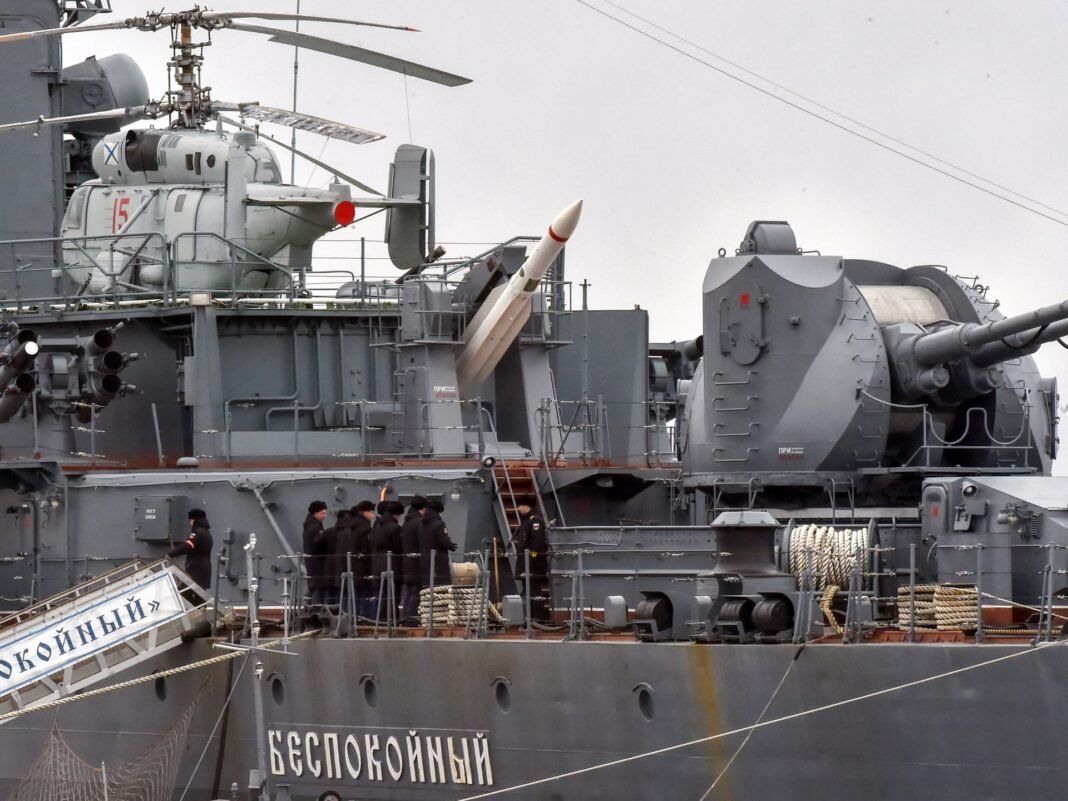
Russia’s Naval Strategy Amid Western Seizures of Sanctioned Oil Tankers
Russian authorities accuse Western countries of engaging in acts resembling piracy by intercepting vessels transporting Moscow’s sanctioned oil.
Escalating Maritime Disputes Over Sanctions Enforcement
A senior Kremlin official has indicated that Russia might increase its naval presence to counter Western efforts targeting Russian-flagged tankers involved in oil exports, especially those linked to Moscow’s so-called “shadow fleet.” this covert fleet comprises merchant ships used by Russia to bypass international sanctions imposed due to the ongoing conflict with Ukraine.
Nikolai Patrushev, a key advisor close to President Vladimir Putin overseeing maritime security, singled out nations such as the United Kingdom, France, adn Baltic states for their roles in what he described as “piracy-like” interventions against Russian shipping.
The Critical Role of Maritime Trade Routes for Russia’s economy
Patrushev emphasized that maintaining open sea lanes is essential for transporting vital commodities like oil, grain, and fertilizers-cornerstones supporting the Russian economy amid global restrictions. He cautioned that without firm resistance against these vessel seizures, Western powers could escalate their tactics by attempting blockades in strategic maritime zones including parts of the Atlantic ocean.
“Our navy remains the primary shield ensuring secure navigation,” Patrushev stated during an interview with a leading Russian media outlet. He advocated for continuous deployment of critically important naval forces not only near Russian territorial waters but across key international sea routes to deter aggressive maneuvers from NATO-aligned navies.
NATO Naval Expansion and Perceived Threats
the Kremlin official also pointed out ongoing modernization efforts within NATO fleets and accused Washington of applying “gunboat diplomacy” near countries like venezuela and Iran. He warned that NATO is considering imposing a blockade on Kaliningrad-a strategically crucial Russian exclave on the Baltic Sea-as part of broader military pressure designed to test Russia’s resolve.
“Should diplomatic channels fail,” Patrushev declared, “our navy will dismantle any blockade enforced against us.”
Recent High-profile Maritime Clashes Highlight Rising Tensions
This year has witnessed several notable confrontations involving sanctioned vessels:
- The U.S. special operations forces intercepted a tanker named Marinera, flying the Russian flag after an extended chase in North Atlantic waters. The U.S. cited breaches related to sanctions on Venezuela; Moscow condemned this seizure as unlawful under international maritime law.
- A French operation detained another ship called Lumina (replacing previous examples) sailing between Spain and Morocco suspected of belonging to Russia’s shadow fleet aimed at evading European sanctions. After weeks immobilized near marseille port with multimillion-euro fines imposed, it was recently released under strict conditions.
- An additional case involved a vessel registered under Liberia but linked with Russia-named Sapphire Dawn. French authorities seized it last autumn; its captain faces trial over allegations connected directly with sanction circumvention efforts while Kremlin officials denounced this action using terms akin to piracy accusations.
The Expanding Scope of Europe’s Crackdown on Shadow Fleets
The European Union currently tracks nearly 650 ships suspected within this clandestine network; all are prohibited from entering EU ports or receiving maritime services due to their involvement facilitating illicit trade flows sustaining Moscow’s war effort. These measures demonstrate enhanced cooperation among European states aiming at disrupting financial pipelines fueling conflict through covert shipping activities along their coastlines.
The High Costs incurred When Evading Sanctions at Sea
French Foreign Minister jean-Noel Barrot highlighted that circumventing European restrictions entails significant financial penalties alongside operational setbacks:
“Evading european sanctions carries significant consequences,”
he asserted firmly while emphasizing how recent enforcement actions send unmistakable messages about Europe’s determination toward cutting off funding sources behind ongoing hostilities involving Russia’s ghost fleets operating offshore waters worldwide.
Navigating Between Diplomatic Efforts and Military Posturing on International Waters
The intensifying standoff over sanctioned shipments underscores increasing challenges balancing freedom-of-navigation principles against national security concerns amid geopolitical rivalries. As both sides bolster naval deployments-from seizure missions conducted by Western powers enforcing economic pressure through sanction regimes to retaliatory threats from Moscow-the world’s oceans have become yet another contested domain reflecting broader tensions shaping contemporary global security landscapes today.