Canada’s Parliamentary Budget Officer: Strengthening Trust and Adapting to New Challenges
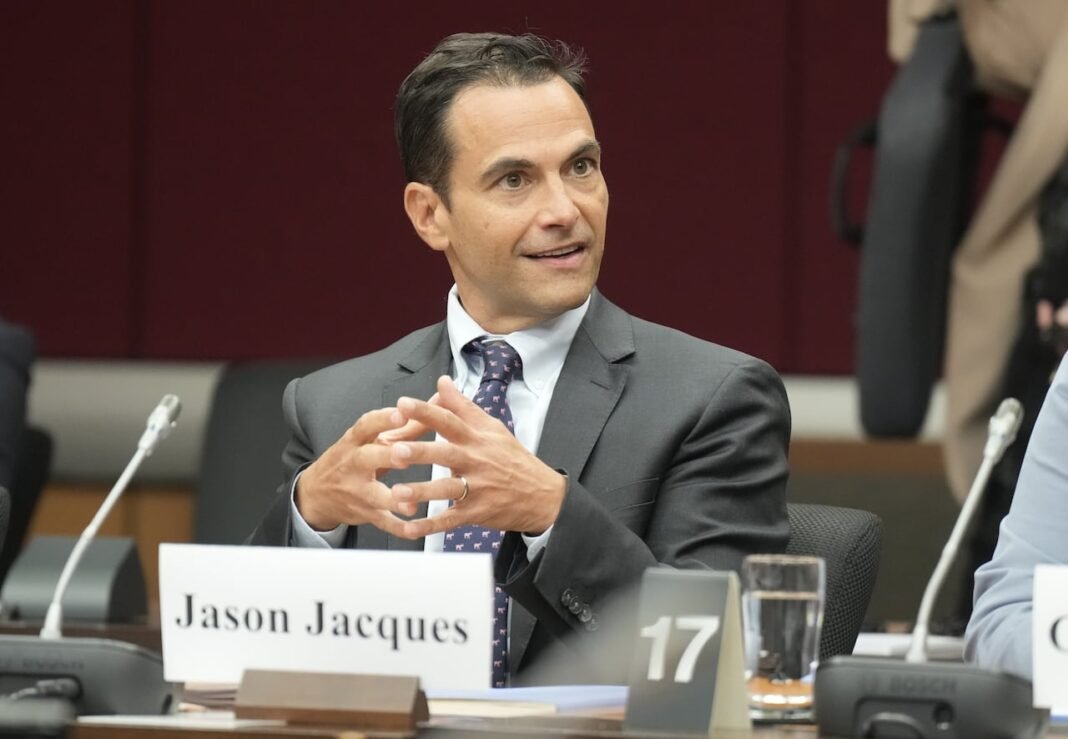
The role of Canada’s Parliamentary Budget Officer (PBO) is at a crossroads as interim officer Jason Jacques awaits either confirmation or replacement. Simultaneously, the Organisation for Economic Co-operation and growth (OECD) is preparing an in-depth evaluation of the PBO, which will shed light on its operational strengths and areas needing improvement.
international Assessment Highlights Institutional Value
Although the OECD’s full report will be published in the coming months, early insights from Jon Blondal, head of OECD’s public management and budgeting division, indicate that Canada’s PBO enjoys broad respect among fiscal oversight stakeholders. This recognition underscores the institution’s vital role within Canada’s financial governance framework.
While this review concentrates on institutional effectiveness rather than individual leadership qualities, canadian economists have concurrently examined both dimensions. Their collective view acknowledges a solid foundation but also identifies opportunities to enhance how the PBO functions.
Advancing Objectivity Through Quantitative Analysis
A prominent recommendation from experts calls for increasing reliance on data-driven evaluations while minimizing subjective commentary by office leaders.Expanding peer review processes for reports is also encouraged to improve transparency and credibility.
This approach aims to reduce risks of misinterpretation or politically charged distortions when analyzing complex fiscal policies under uncertainty. Trevor Tombe from the University of Calgary emphasizes that “forecasting policy outcomes inherently invites diverse interpretations,” highlighting why rigorous external scrutiny remains essential.
The Intricacies of Economic Forecasting Models
Don Drummond, former TD Bank chief economist and senior finance official, points out that large-scale economic models inevitably produce occasional inaccuracies-a natural part of extensive analysis. He stresses that it is not initial errors but how they are addressed afterward that shapes their ultimate impact on policymaking.
The Importance of Neutral Language in Fiscal Reporting
Tensions arose after Jason Jacques described federal finances during a parliamentary session using strong terms such as “staggering” and “unsustainable.” This rhetoric sparked debate among fiscal experts including former PBO Kevin Page who argued such emotive language conflicts with expectations for impartiality grounded strictly in data presentation.
“The parliamentary budget officer must remain neutral without engaging in policy advocacy or expressing opinions beyond factual analysis,” Page asserts.
Drummond concurs about concerns over tone but supports Jacques’ core message regarding financial challenges: “The figures are concerning; however, dramatizing them may detract from objective discourse.”
Diverse Views on Fiscal Stability Risks
McGill University economist Christopher Ragan offers a balanced perspective: while current federal finances appear lasting under normal conditions, unexpected shocks-such as global pandemics or economic downturns-could quickly undermine fiscal health. Such vulnerabilities pose threats to credit ratings and borrowing capacity if left unmitigated.
This viewpoint reinforces calls for reports focused strictly on numerical evidence rather than interpretative commentary-a principle Ragan summarizes as delivering “just clear facts.”
Jacques has as acknowledged his earlier language may have been excessive but stands by the accuracy of his September 2025 report’s data. Following November’s federal budget announcement, he adopted more measured phrasing reflecting ongoing internal consensus about government finance sustainability concerns.
Aiming for Institutional Continuity Over Personal Visibility
If confirmed beyond his interim term ending March 2026,Jacques envisions shaping canada’s PBO after models like America’s Congressional Budget Office (CBO),where leadership remains largely behind-the-scenes yet outputs substantially influence public understanding through objective information rather than personal opinion or visibility.
The role Peer Review Plays in Enhancing Credibility
The forthcoming OECD evaluation will assess how well Canada’s PBO adheres to nine fundamental principles including external assessment practices like peer reviews and independent annual audits. While some reports currently undergo peer scrutiny, economists advocate expanding this process especially when addressing contentious issues such as carbon pricing policies.
Navigating Controversy Around Carbon Pricing Analyses
- A flashpoint emerged following 2022-23 studies examining whether Canadian households financially benefited overall from federal carbon rebates compared with their tax payments.
- The initial results indicated most families gained monetarily but also highlighted broader economic costs linked to carbon taxation.
- Critics noted these analyses omitted climate change mitigation benefits-a notable gap according to Don drummond who described it as “incomplete” due to neglecting dynamic environmental advantages alongside static cost calculations.
- Eminent observers including Page and Ragan pointed out lack of comparisons against alternative climate strategies weakened conclusions further.
- PBO director Tombe defended focusing narrowly on direct fiscal impacts given mandate limits while lamenting polarized debates often overshadow reasoned discussion around these complex topics.
Evolving Methodologies With International Collaboration
The methodology underpinning these contentious reports underwent formal peer review only during updates made early 2024 after correcting unrelated calculation errors involving industrial carbon pricing components mistakenly included previously. Throughout development phases informal consultations involved Surroundings & Climate Change Canada officials along with counterparts at U.S.’s CBO and Netherlands’ equivalent agency providing feedback aimed at refining model assumptions used within analyses.
Tackling Political Sensitivities Transparently
“Delivering timely numbers amid active parliamentary debates means controversy cannot be entirely avoided,” says Jacques,“but broadening transparent external reviews can help reduce misunderstandings.”
This candid statement reflects awareness within Canada’s budget watchdog office about balancing independence while navigating politically sensitive terrain inherent in public finance oversight worldwide.
Looking Forward: Emphasizing Transparency And Analytical Excellence
As potential leadership changes approach post-March 2026,
the commitment endures toward implementing OECD recommendations expected later this year.Whether Jason Jacques continues leading or another appointee assumes charge,
the focus will sharpen around enhancing analytical rigor,
expanding transparency through wider peer reviews,
and upholding strict neutrality free from emotive framing.
These efforts aim not only at preserving trust among parliamentarians
but also ensuring Canadians receive clear,
unbiased insights into their nation’s evolving fiscal landscape.