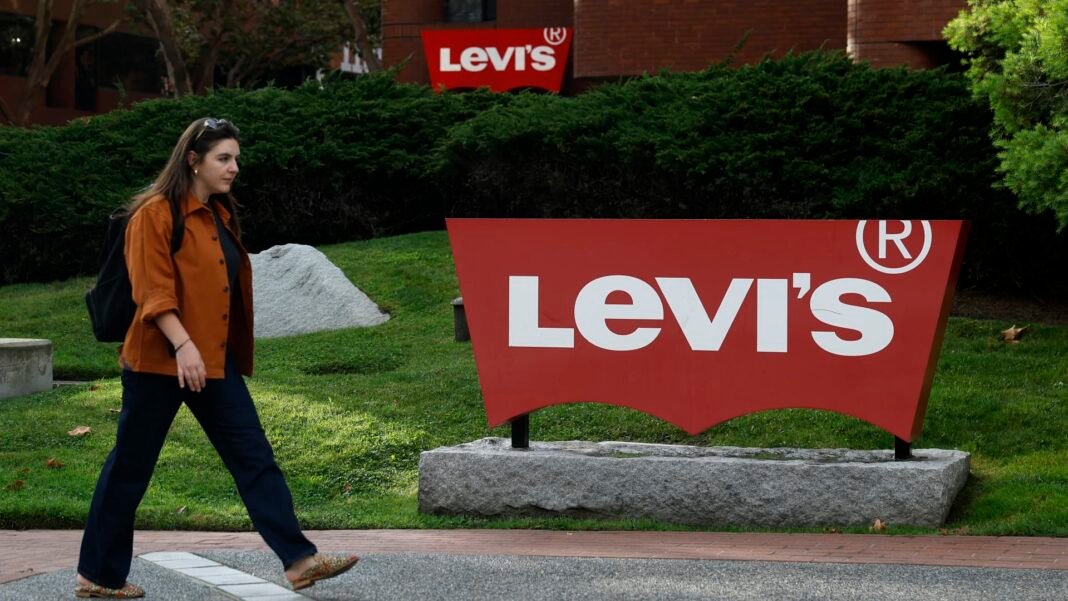
Levi Strauss Exceeds Expectations Despite Tariff-driven Cost Pressures
Notable Profit Expansion amid Rising Expenses
Levi Strauss has delivered earnings that outpaced forecasts, overcoming the challenges posed by escalating tariffs through strategic pricing adn a shift away from wholesale channels. In its fiscal third quarter, the company reported a gross margin increase to 61.7%,up from 60.6% the previous year and surpassing analyst estimates of 60.7%.
Intentional Price Adjustments Maintain Consumer Appeal
The CEO revealed that Levi’s has implemented targeted price increases on select apparel items,with plans to extend these adjustments across both U.S. and international markets in the coming year. These carefully calibrated hikes have so far not hindered customer demand, underscoring Levi’s strong reputation for offering quality products at reasonable prices.
“We are closely tracking consumer reactions while applying precise pricing tactics,” emphasized the CEO,highlighting Levi’s dedication to preserving its trusted brand image.
Sustained Demand Drives Revenue Growth Beyond Pricing
The CFO pointed out that ongoing robust consumer interest remains a primary factor behind revenue gains, with most growth attributed to increased sales volume rather than solely higher prices.
Boosting Margins Through Enhanced Direct-to-Consumer Focus
A meaningful contributor to improved profitability is Levi’s reduced dependence on discount promotions combined with an intensified focus on direct sales via company-owned stores and online platforms-channels that generate superior margins compared to traditional wholesale distribution.
Diversification Beyond Denim Strengthens Resilience
While denim remains a cornerstone category benefiting from strong market momentum, Levi’s has notably expanded its product portfolio. Non-denim apparel such as tops now represent nearly 40% of total sales and saw a 9% increase during the quarter, helping shield the business against shifts in fashion trends or seasonal fluctuations.
Key Financial Metrics Surpass Wall street Estimates
- Earnings per share: Adjusted EPS reached 34 cents versus an anticipated 31 cents.
- Total revenue: $1.54 billion compared with projections of $1.50 billion.
- Net income: Jumped sharply to $218 million (55 cents per share), up from $20.7 million (5 cents per share) last year after adjusting for one-time expenses.
- Total sales growth: Rose by 7%, reaching $1.54 billion compared to last year’s $1.44 billion figure.
Cautiously Optimistic Full-Year Forecast Revision
The company raised its full-year revenue outlook to approximately 3% growth-exceeding prior guidance between 1% and 2%, while outperforming industry-wide expectations predicting nearly a 3% decline this year.
Earnings per share estimates were also nudged upward slightly, now expected between $1.27 and $1.32-aligning near analyst consensus at the higher end.
Operating margins are projected within an estimated range of 11.4%-11.6%, consistent with market expectations.
Additionally, gross margin forecasts have been restored close to pre-tariff levels assuming current U.S.-China tariff rates remain stable at around 30%,alongside global duties holding near roughly 20% elsewhere through year-end.
Evolving Strategy Emphasizes Direct Engagement & Female Market Growth
The leadership team continues prioritizing direct-to-consumer channels which experienced double-digit expansion during this period-a surge largely driven by strength in domestic markets.
Concurrently, women’s apparel posted notable gains near +9%, reflecting successful efforts broadening beyond traditional denim into lifestyle categories favored by female consumers worldwide.
This diversification approach not only widens appeal but also reduces vulnerability linked to fluctuating denim trends or seasonal changes in shopper preferences alike.
A Contemporary Example: Outdoor Brands Navigating Inflation Through Pricing Tactics
An illustrative parallel can be found among outdoor apparel companies like Arc’teryx who have similarly balanced selective price increases alongside enhanced direct retail experiences without sacrificing customer loyalty-a clear example of how thoughtful pricing strategies paired with brand authenticity can sustain growth amid today’s inflationary environment where global inflation rates hover between approximately 5%-8%.