Decoding Gaza’s Evolving Military frontiers and Their Effects on Civilians
In the eastern neighborhoods of Gaza City, near a series of yellow-painted concrete barriers marking a newly drawn Israeli military frontline, Zaid Mohammed-a displaced Palestinian father with four children-resides in a humble tent.This “yellow line” symbolizes the boundary where Israeli forces retreated during the initial phase of the ceasefire enacted in October.
The Emergence of an Informal Internal Border
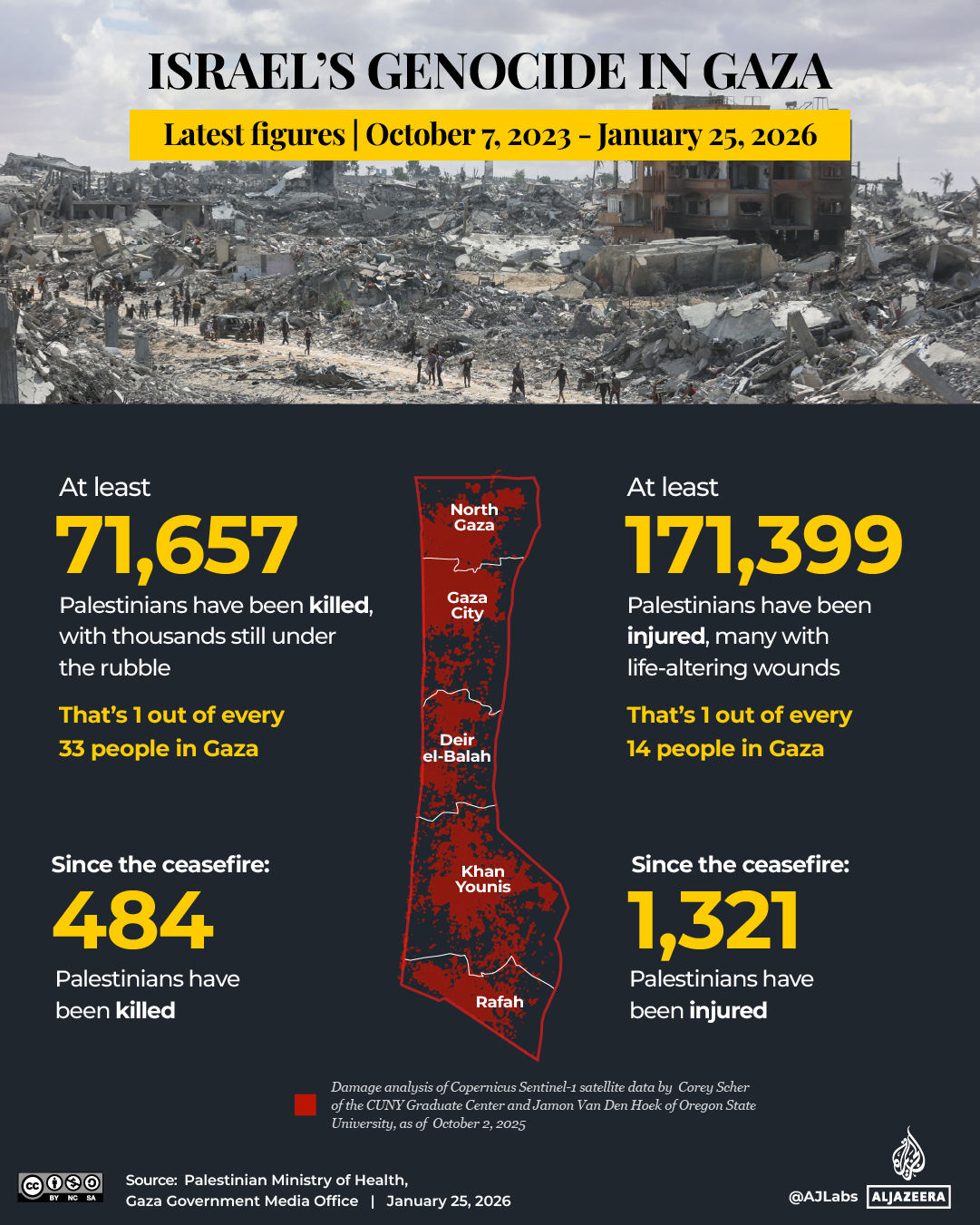
This delineation extends between 1.5 km and 6.5 km (roughly 0.9 to 4 miles) inside Gaza from its eastern border with Israel,covering nearly 58 percent of this densely inhabited enclave that shelters over 2.3 million people.
The yellow line effectively partitions Gaza into two zones: an eastern sector under direct Israeli military oversight and a western area where Palestinians face fewer movement restrictions but remain exposed to airstrikes and forced evictions.
How This Boundary Shapes Daily life
Though unofficial, this dividing line functions as a de facto internal border that governs civilian existence-determining which neighborhoods are deemed safe or abandoned-and influences critical decisions about mobility and shelter for residents living nearby.
The Human Cost Along the Frontline
Zaid’s tent is surrounded by debris from homes demolished amid relentless conflict that has ravaged more than 80 percent of buildings across Gaza after over two years of intense warfare described by many observers as genocidal in scale.According to recent UN assessments, clearing upwards of 60 million tonnes of rubble could take seven years or more.
“Shelling and gunfire continue relentlessly day and night,” Zaid recounted while gesturing toward dust clouds rising intermittently from distant explosions on the horizon.
Drones constantly hover overhead as tanks position themselves near these yellow-painted barricades; soldiers often operate just hundreds of meters away from civilian shelters like his. Residents close to this frontline report frequent awakenings caused by gunfire or small blasts throughout nighttime hours.
With electricity cut off entirely in many areas due to infrastructure destruction, darkness envelops neighborhoods-broken only briefly by flares deployed overhead illuminating skies above war-torn streets.
A Fluid Boundary Defined by Conflict Dynamics
This so-called yellow line corresponds with shifting Israeli-designated military zones within Gaza that have expanded or contracted repeatedly during hostilities. These fluctuating boundaries disrupt access routes for civilians while shaping survival strategies amid ongoing violence.
An official statement last December described this zone unequivocally as “a new border line,” highlighting Israel’s control over nearly six-tenths of Gaza-including key cities such as Rafah in southern regions and Beit Hanoun up north-which have become largely inaccessible for Palestinians without risking their safety.
Forced Displacement amid Rapid Changes
- This evolving frontline emerged through numerous forced displacement orders delivered via leaflets dropped from aircraft, sudden phone messages during bombardments, or online maps shared without warning-leaving residents minimal time to evacuate;
- The United Nations Office for Coordination on Humanitarian Affairs documented periods when over seventy percent of Gazan territory was declared unsafe or subject to evacuation directives;
- Civilians rely heavily on intuition rather than clear signage since visible markers delineating these zones rarely exist;
- A neighborhood considered secure one day can become perilous overnight due to sudden shifts in military activity;
- Migrating families often abandon intact homes simply because they no longer feel safe remaining there;
- Most Gazans have endured multiple displacements since hostilities escalated dramatically two years ago.
Mental Health Struggles Among Families Near Conflict Zones
The persistent instability deeply impacts mental well-being across communities-especially children who must rapidly adapt survival tactics such as avoiding certain streets or seeking shelter quickly during shelling episodes.
Mental health professionals working alongside international organizations report widespread anxiety disorders and sharply rising insomnia cases among youth continuously exposed to threat environments shaped around these shifting lines.
Lifelong Psychological Impacts Beyond Physical Damage
- Youth adapt swiftly but carry trauma long after immediate dangers subside;
- Anxiety fueled not only by violence but also uncertainty about future safety permeates daily life;
- Aid agencies warn normalization of danger risks embedding chronic psychological scars within generations growing up amidst conflict zones near active frontlines;
erosion of Livelihoods And Access To Resources Along The Yellow Line
The consequences extend beyond physical security: agricultural lands adjacent to restricted areas remain unreachable despite being visible just beyond fences marked with warnings; farmers lose vital income sources when fields transform into battlefields either through shelling damage or militarily enforced prohibitions.
Recent reports highlight important farmland losses directly linked both to combat operations near borders plus ongoing restrictions limiting cultivation activities along these contested edges.Even temporary lulls do little alleviate fears preventing displaced residents returning home permanently-the rebuilding process stalls indefinitely under looming threats posed continually along this invisible yet omnipresent dividing line.
Navigating Life Within An Invisible Yet Defining Boundary
No formal signs mark much of this boundary; rather it is indeed etched deeply into everyday routines-dictating where people live safely today versus places they must flee tomorrow-and shaping how entire communities endure prolonged hardship amid war’s unpredictable rhythms.
Zaid’s experience reflects thousands trapped between ruins yet clinging stubbornly onto hope despite overwhelming odds imposed daily along what locals refer simply as “the yellow line.” It remains less a fixed frontier than an ever-changing zone defining survival itself within one world’s most embattled regions today.