Transforming Saks Global: Steering Luxury Retail Through Modern Challenges
Leadership Changes amidst Financial Strain
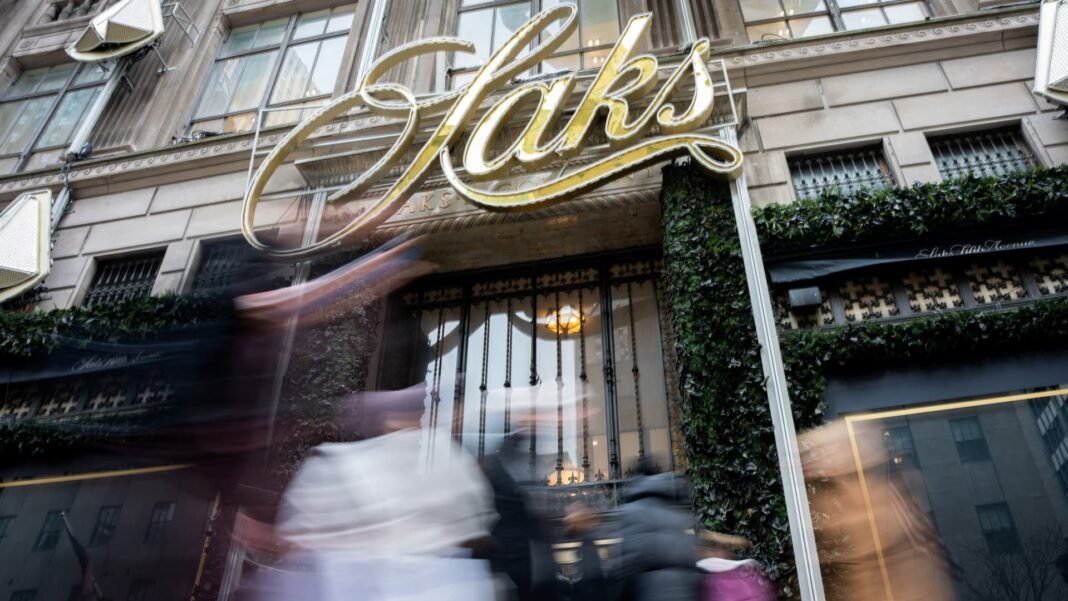
Saks Global, the parent company behind the venerable 159-year-old luxury department store, has filed for Chapter 11 bankruptcy protection due to an overwhelming debt load threatening its continued operations. This development marks a notable turning point for a brand long regarded as a symbol of upscale fashion and retail excellence.
Alongside this filing,Geoffroy van Raemdonck-previously CEO of Neiman Marcus-has been named the new chief executive officer.He succeeds Richard Baker,who served briefly but maintained connections to Saks since Hudson’s bay acquired it in 2013. Van Raemdonck’s appointment signals a strategic pivot focused on stabilizing and rejuvenating the company’s future.
Rebuilding Leadership and Strategic Priorities
the revamped executive team features experienced leaders from Neiman Marcus joining forces with Saks Global to navigate these turbulent times. Darcy Penick, formerly president of Bergdorf Goodman before its integration into Saks Global, now holds the role of president and chief commercial officer. Lana Todorovich steps in as chief of global brand partnerships after serving as Neiman Marcus’ chief merchandising officer.
This leadership group is charged with reevaluating Saks’ operational footprint by concentrating investments on high-potential growth areas while scaling back less profitable segments-a critical move given today’s competitive market environment.
Financial Strategies Supporting Restructuring Efforts
Before entering bankruptcy proceedings, Saks secured $1.75 billion in new financing from senior secured bondholders and asset-based lenders. Of this total, $1 billion is allocated as debtor-in-possession (DIP) financing to sustain daily operations during restructuring. An additional $500 million will become available upon emergence from bankruptcy later this year; meanwhile, asset-based lenders contributed another $240 million in liquidity support.
This capital injection was vital after initial challenges securing DIP funding threatened liquidation-a scenario that would have abruptly ended one of America’s most iconic luxury retailers.
The Debt Burden Behind The Crisis
Saks’ financial troubles intensified following its acquisition of rival Neiman Marcus in early 2024 for roughly $2.7 billion-a transaction heavily financed through borrowing that significantly increased debt across both companies.
Even prior to merging with Neiman Marcus, Saks struggled with consistent vendor payments; post-merger efforts aimed at reducing leverage fell short despite considerable liquidity infusions intended to stabilize finances.
The merger attracted major technology investors such as Amazon and Salesforce who envisioned creating a dominant luxury retail powerhouse capable of leveraging cost efficiencies and stronger supplier negotiations-but these ambitions were undermined by operational missteps and integration challenges.
Tensions With Suppliers Over Payment Terms
- Saks initially improved payment punctuality but soon extended terms up to 90 days-frustrating suppliers who found such delays unsustainable;
- This led many brands to scale back or terminate partnerships entirely;
- A diminished product assortment afterward hurt sales performance across key categories;
Eroding Confidence In debt Markets
The growing liabilities caused Saks’ bonds to trade below par value by mid-2025-reflecting investor doubts about ongoing viability amid rising defaults on interest payments owed creditors.
Tactical Asset Dispositions Offer temporary Relief
Saks pursued several measures including raising $600 million through new credit facilities alongside selling prime real estate assets centered around flagship stores; however these actions only postponed inevitable restructuring rather than preventing it outright.
Navigating The Future: Reimagining Luxury Retail Post-Bankruptcy
“This moment offers not just survival but transformation,” stated CEO van Raemdonck upon taking charge.
“With our renewed leadership team and committed employees worldwide we aim to redefine luxury retail-focusing on exceptional customer experiences while reinforcing our financial foundation.”
The company currently operates nearly 200 locations under various banners including Saks Fifth Avenue itself along with off-price outlets plus acquired names like Bergdorf Goodman and Neiman Marcus-all potentially subject to consolidation or closure depending on profitability evaluations during upcoming restructuring discussions over the next several months.
Larger Industry Trends Shaping Luxury Retail Today:
- A rapid shift toward e-commerce platforms where digitally native competitors attract younger consumers continues reshaping buying habits;
- Cautious discretionary spending patterns post-pandemic influence traditional brick-and-mortar formats negatively;
- Mergers driven by heavy debt loads increasingly carry risks without swift realization of operational synergies or cost savings;
A New Era For A Historic Brand In A Changing Marketplace
Saks Global stands at an vital crossroads between preserving its legacy prestige versus embracing innovation demanded by today’s evolving landscape dominated increasingly by omnichannel strategies combined with personalized service models powered through advanced data analytics technologies-all essential ingredients if it hopes not only survive but thrive once again among discerning global shoppers seeking authentic luxury experiences backed by trusted heritage brands estimated collectively worth over $320 billion annually within fashion alone according industry estimates for 2024 sectors worldwide.