Mexico’s Position on US Military Operations in teh Caribbean adn Pacific Regions
Mexican President claudia Sheinbaum has openly condemned the recent surge of air strikes conducted by the United States across both the Caribbean Sea and, more recently, the Pacific Ocean.These military maneuvers have ignited meaningful debate throughout Latin America.
Sheinbaum’s Firm Opposition to US Air Campaigns
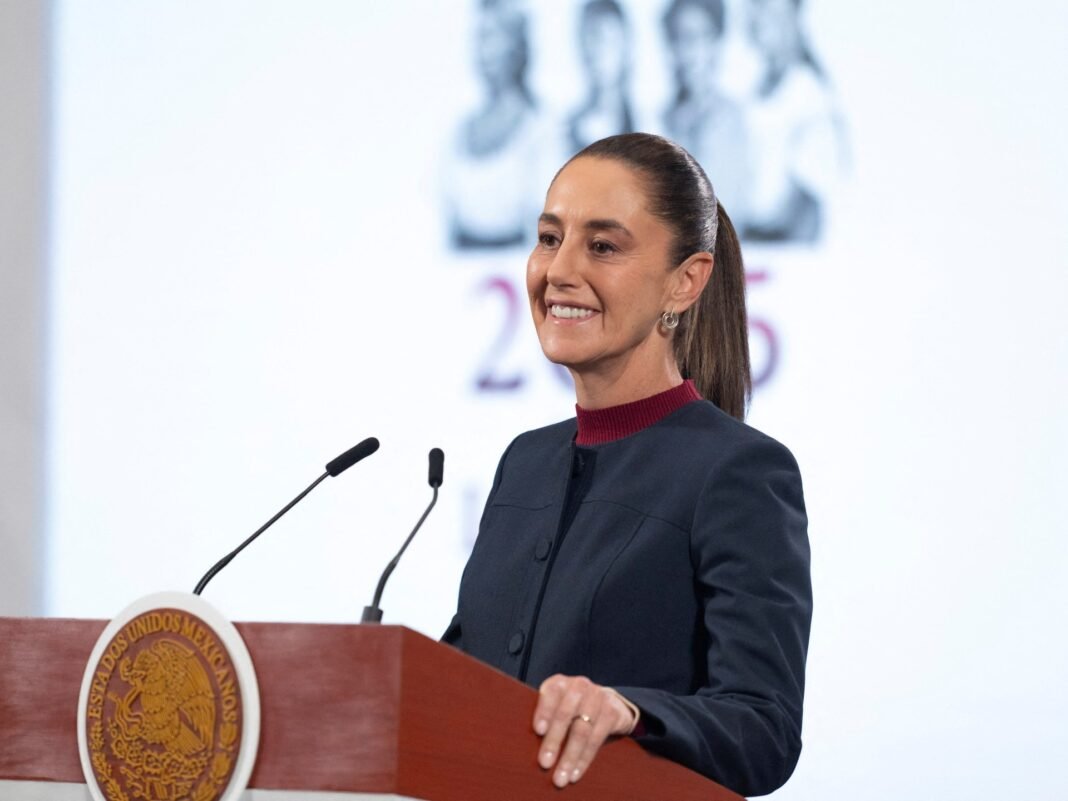
in a press conference held earlier this week, President Sheinbaum was asked about her stance on these operations. She responded unequivocally: “We do not endorse these strikes.” Stressing respect for international legal frameworks, she pointed out that established procedures exist for addressing alleged illicit trafficking of drugs or weapons in international waters. Mexico has formally expressed its concerns to US officials and made its position publicly known.
The Rising Human Cost and regional Backlash
The air strike campaign launched on September 2 has so far resulted in at least 37 deaths.This escalation has drawn sharp criticism from numerous Latin American leaders who perceive it as a breach of national sovereignty and an infringement upon international law.
Expansion of Operational Zones
While initial strikes focused near Venezuela and Colombia within the Caribbean Sea, recent missions have extended into areas off Colombia’s western coastline in the Pacific Ocean. Targets reportedly include small vessels-one described as a submarine-allegedly transporting narcotics destined for US markets.
Skepticism surrounding Target Validity
No definitive proof supporting Washington’s claims has been disclosed. Local authorities suggest some casualties might potentially be innocent fishermen rather than drug traffickers. As an example, Ecuador released a survivor from an attacked submarine after determining no criminal charges applied to him. Colombian President Gustavo Petro confirmed that Alejandro Carranza, identified as a fisherman, died during one such strike; meanwhile families from Trinidad and Tobago fear their missing relatives were among those affected.
Sovereignty Issues Amid heightened Tensions
The possibility of direct military intervention within Mexican borders remains highly controversial. Early in his second term, former President Donald trump proposed labeling Latin american drug cartels as “foreign terrorist organizations,” raising fears about potential ground incursions.
This concern intensified when reports emerged that Trump had offered to deploy US troops inside Mexico to combat cartels-a proposal firmly rejected by Sheinbaum with her declaration: “Sovereignty is not for sale.”
Despite rumors suggesting Trump secretly authorized military actions against cartels abroad, Sheinbaum reassured citizens there would be no invasion: “There will be no invasion; we cooperate but maintain our sovereignty.”
The Prospect of Land-Based Military Actions
Recent statements from Washington hint at possible imminent land assaults targeting narcotics traffickers without congressional approval. In talks with NATO Secretary-General Mark rutte, Trump asserted readiness to take decisive action against cartel movements crossing by land-a move yet unexecuted but causing widespread unease across mexico and neighboring countries.
Navigating Economic Pressures Amid Security Challenges
- tariff Threats: In January 2025 alone, Washington threatened tariffs up to 25% on Mexican exports as leverage for stricter border enforcement policies.
- Tariff Suspensions & Negotiations: Following negotiations led by sheinbaum-including deployment of 10,000 National Guard troops along Mexico’s northern border-the tariffs were temporarily delayed but ultimately imposed months later despite ongoing disputes.
- Evolving Trade Tensions: By mid-2025 tensions escalated again when Trump warned via social media he might increase tariffs further unless Mexico intensified efforts against fentanyl trafficking networks operating domestically.
- Banks Under Sanctions: Additionally,in June three major Mexican financial institutions faced sanctions accusing them of laundering illicit funds linked to drug cartels-allegations they denied-which severely disrupted their access internationally impacting financial stability within Mexico’s banking sector significantly.
A Delicate Diplomatic Equilibrium
This intricate balance between economic coercion and security cooperation highlights how President Sheinbaum must safeguard national sovereignty while managing relations with an increasingly assertive neighbor pursuing aggressive anti-drug policies affecting two deeply interconnected economies today-with bilateral trade surpassing $700 billion annually (2024 figures).
The Legal Controversy Over Extrajudicial air Strikes
“International law forbids extrajudicial killings outside recognized armed conflict zones,” legal experts emphasize regarding recent air campaigns targeting suspected narcotics shipments over open waters near Latin America’s coasts.
- Affected nations warn unilateral actions risk violating maritime laws protecting civilian vessels;
- The United Nations human rights bodies caution these attacks could breach treaties governing use-of-force principles;
- Civilian casualties reported raise urgent questions about accountability mechanisms under current frameworks regulating cross-border counter-narcotic operations;
A Transformative Era Along North America’s Southern Borders
This evolving situation underscores how intertwined issues like trade policy enforcement through tariffs intersect with national security strategies aimed at combating transnational crime syndicates exploiting porous borders spanning multiple jurisdictions.
Mexico remains steadfast defending its territorial integrity while facing mounting external pressures demanding swift action against illicit activities threatening regional stability-and global supply chains reliant upon secure transit corridors remain vulnerable amid this geopolitical friction.
This scenario exemplifies broader challenges confronting governments worldwide balancing sovereign rights alongside cooperative efforts necessary for effectively tackling complex transnational threats today.