USS Abraham Lincoln Redirected to Middle East Amid heightened Geopolitical Strains
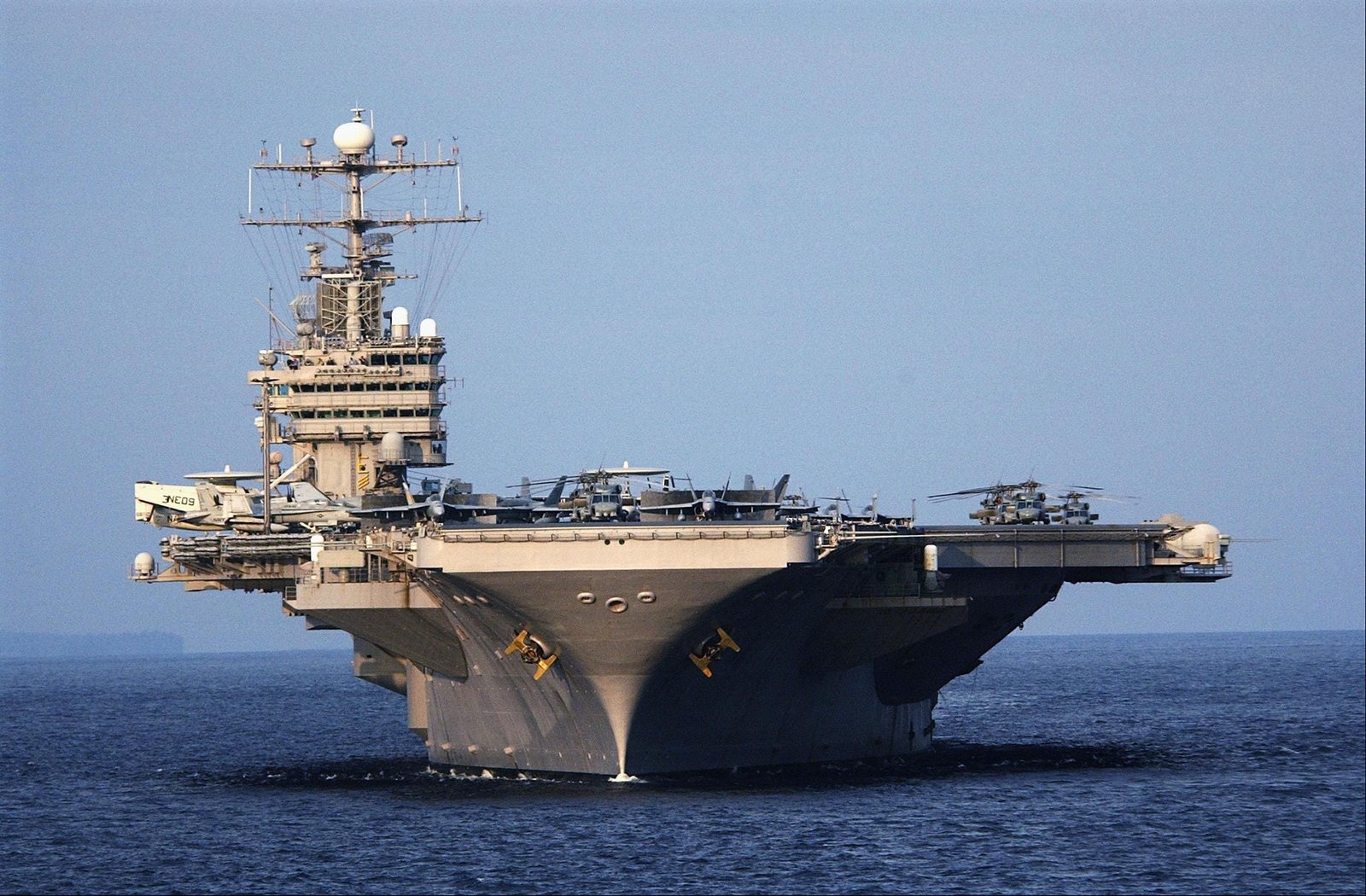
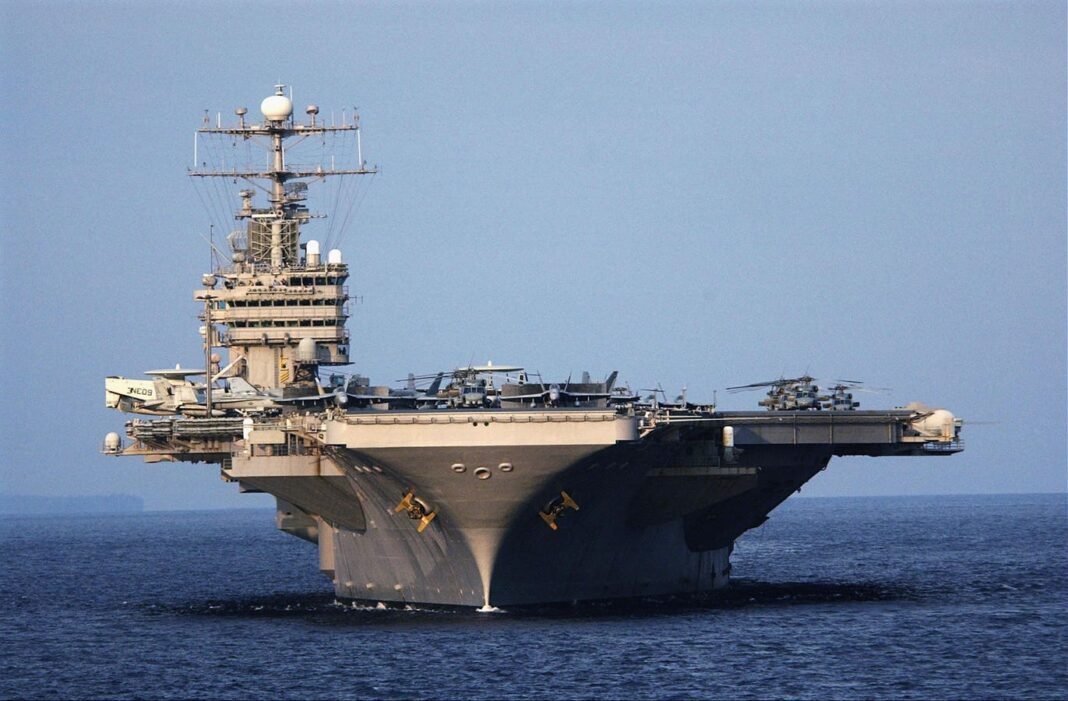
The nuclear-powered nimitz-class supercarrier USS Abraham Lincoln (CVN-72) has been rerouted from its South China sea operations to the Middle Eastern region in response to escalating tensions between the United States and Iran. Prior to this change in mission, the carrier strike group engaged in live-fire training exercises and at-sea replenishment drills as part of its standard deployment routine.
From Indo-Pacific Deployment to Persian Gulf Presence: A Tactical Repositioning
The USS Abraham Lincoln, which quietly departed San Diego in late November 2025 without public disclosure of its destination, was initially speculated to be heading toward either the Indo-Pacific or Middle Eastern theaters. This move follows the recent retirement of USS Nimitz (CVN-68), which concluded extensive deployments across these regions last December at Naval Base kitsap, Washington.
The transit from Indo-Pacific waters toward the Persian Gulf is projected to take roughly seven days. The Carrier Strike Group accompanying CVN-72 includes Carrier Air Wing 9, featuring F/A‑18E/F Super hornets, EA‑18G Growlers for electronic warfare, E‑2D Advanced Hawkeyes for airborne early warning, and MH‑60R/S Seahawks for anti-submarine and search-and-rescue missions. Supporting surface vessels consist of three Arleigh Burke-class guided-missile destroyers: USS Spruance, USS Michael Murphy, and USS Frank E. Petersen Jr.. Additionally, a fast-attack nuclear submarine typically operates covertly alongside such groups for enhanced protection.
A Strong Signal: Demonstrating Deterrence Through Naval Power Projection
The deployment of a supercarrier like CVN-72 into volatile maritime zones serves primarily as a deterrent rather than an offensive tool. Its presence underscores U.S. commitment to regional partners while sending a clear warning against potential aggression by adversaries.
This redeployment coincides with increased naval activity elsewhere; notably, guided-missile destroyer USS Roosevelt‘s recent passage through the Persian/Arabian Gulf into U.S. Central Command’s jurisdiction highlights heightened vigilance amid ongoing instability throughout the region.
Navigating Fleet Constraints Amid Global Security Demands
The reassignment of CVN-72 away from Asia reduces carrier availability within an already stretched fleet managing multiple simultaneous crises worldwide. The only forward-deployed supercarrier stationed in Japan-the USS George Washington(CVN-75)-is currently undergoing maintenance expected to last until mid-2026 at best.
The USS Carl Vinson (CVN-70) recently returned stateside after nine months operating across various fleet areas but remains unavailable for immediate redeployment due to necessary post-deployment upkeep procedures.
Aging Carriers and Delayed New Assets Challenge Operational Readiness
- Mature Vessels: The second-oldest Nimitz-class carrier, USS dwight D. Eisenhower (CVN-69), along with newer ships like USS George H.W. Bush (CVN-77), continue deployments primarily out of Norfolk but are slated soon for relief assignments elsewhere.
- Sustained Missions: The latest Ford-class carrier currently active has experienced extended sea time-spending nearly eight months deployed during recent operations addressing security concerns linked with political unrest near Colombia’s borders rather than Venezuela as previously noted-demonstrating evolving mission priorities amid regional challenges.
- An Era Ends: this spring marks a historic milestone as the venerable USS Nimitz embarks on her final voyage before decommissioning after five decades safeguarding American interests globally-a significant transition point within naval aviation history reflecting both legacy preservation and modernization efforts ahead.
The Road Ahead: Upcoming Carriers Face Delays Amid Persistent Strategic Needs
The next-generation Ford-class successor-the future USS John F. Kennedy (CVN-79)-is experiencing construction delays that push commissioning timelines into early 2027 or later deployments extending well into 2028 despite Pentagon commitments aimed at meeting growing global strategic demands efficiently.
A Dynamic Geopolitical Environment demands Agile Naval Strategies
this realignment exemplifies how intensifying great-power competition-especially China’s rapid naval expansion including four operational conventionally powered carriers by mid-2026-and ongoing volatility across Middle Eastern hotspots require continuous adjustment by U.S naval forces balancing readiness across multiple theaters simultaneously.
Limited carrier availability necessitates prioritizing deployments carefully while maintaining credible deterrence where it matters most on today’s complex global stage.
“Deploying a supercarrier is less about initiating conflict than showcasing steadfast resolve,” military experts observe regarding recent movements near Iran’s maritime approaches amidst rising tensions.”