Divided Public Views on Allegations of Political Targeting by the Trump Administration
Recent polling data exposes a pronounced partisan split in how Americans perceive former President Donald Trump’s alleged use of federal law enforcement too target his political adversaries. As the Justice Department escalates legal proceedings against several prominent critics, public opinion reveals widespread apprehension and distrust.
Partisan Divides Evident in Recent Polls
A recent national survey shows that 87% of Democrats believe Trump exploited federal agencies to go after his opponents, while only 31% of Republicans concur wiht this assessment. Among independents and other political affiliations,about 57% agree with the claim that Trump engaged in politically motivated targeting,though nearly one-third remain undecided.
Another poll highlights that 54% of Americans think the Justice Department under Trump’s influence has pursued “unwarranted criminal charges” against his critics. This view is held by an overwhelming majority of Democrats (93%), a majority of independents (60%), but just a small fraction (7%) of Republicans.
High-Profile Legal Cases Intensify Controversy
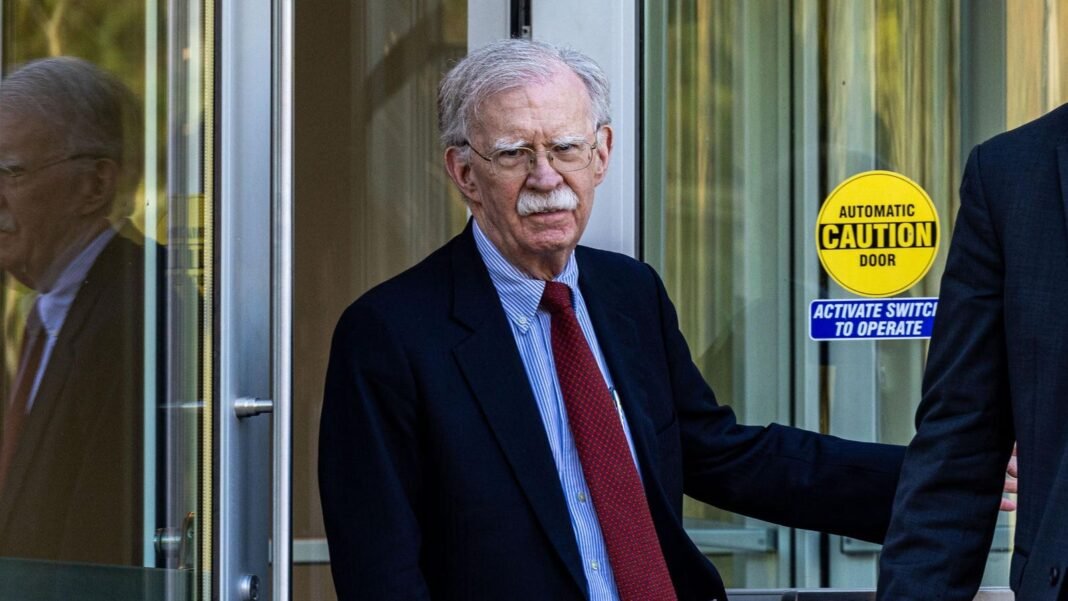
The surge in indictments involving key figures linked to or formerly part of Trump’s administration has fueled ongoing debate.As a notable example, John Bolton-Trump’s National Security Advisor during his first term and former U.S. ambassador to the United Nations under George W. Bush-was charged for allegedly mishandling classified documents following the release of a critical memoir during Trump’s reelection campaign.
This case marks Bolton as at least the third major figure facing federal charges amid accusations from critics that these prosecutions are politically driven. Former FBI director James Comey was previously indicted on counts including making false statements to Congress and obstructing investigations related to Trump’s conduct.
Moreover, New York Attorney General Letitia James-who secured a $364 million civil fraud judgment against Trump recently-has herself been indicted on mortgage fraud allegations, adding complexity to an already contentious legal environment surrounding influential political actors.
The Impact and Debate Over Federal Law Enforcement Actions Nationwide
The increased deployment of federal agents has sparked heated discussions across multiple metropolitan areas. Immigration raids conducted by ICE have drawn sharp criticism in cities like Houston and Miami due to concerns over civil rights violations and strained community relations.
The administration also authorized National Guard deployments aimed at safeguarding federal properties in urban centers such as Seattle and Atlanta; however, court rulings have varied regionally-with continued operations permitted in some states while temporarily suspended elsewhere pending judicial review.
A recent poll found that roughly 58% oppose these assertive law enforcement tactics overall-with opposition strongest among Democrats (97%) but also significant among independents (63%). Conversely, most Republicans surveyed support these measures strongly (91%). This stark division underscores persistent polarization regarding security policies within urban settings nationwide.
Key Political Ramifications Emerging From These Developments
- The growing reliance on legal actions against political figures raises serious concerns about potential misuse within justice systems intended as impartial arbiters rather than instruments for partisan gain.
- Divergent public perceptions reflect deeper societal fractures amplified by media portrayals framing prosecutions either as essential accountability or retaliatory attacks undermining democratic norms.
- Cities experiencing heightened federal intervention face complex challenges balancing public safety with protecting residents’ rights-a dynamic likely influencing voter behavior ahead of upcoming elections across various states.
“The rise in politically charged indictments combined with controversial law enforcement deployments signals an unprecedented era where judicial processes intersect directly with electoral politics.”
An Analysis Of Public Sentiment Trends And Their Implications
- Divergent Interpretations: party affiliation remains one of the strongest factors shaping how citizens interpret government actions targeting individuals connected to Donald trump’s presidency.
- Evolving Legal Proceedings: ongoing cases involving Bolton, Comey, James-and possibly others-continue amidst intense scrutiny from supporters asserting legitimacy versus critics warning about dangerous precedents threatening future administrations regardless of party control.
- civic Engagement Effects: These developments may effect voter turnout patterns given their resonance across ideological lines concerning fairness within judicial processes versus perceived politicization risks when prosecutorial discretion appears influenced by partisan objectives.
A Contemporary Illustration: Federal Interventions During Social Unrest
A notable example occurred recently when ICE launched multiple operations targeting undocumented immigrants under new immigration policies enacted early this year; protests erupted demanding transparency around agent conduct following allegations involving excessive force without body camera footage-a demand partially met through court orders mandating recordings during raids conducted primarily within neighborhoods known for active immigrant advocacy groups nationwide reflecting broader tensions tied closely to executive priorities shaped considerably by former President trump’s policy legacy.
Navigating The Complex Intersection Between Law Enforcement And Political Accountability Moving Forward
The evolving relationship between politics and justice continues shifting rapidly amid changing power dynamics post-Trump era campaigns.Tracking public opinion alongside ongoing litigation remains vital for understanding how institutional trust can be maintained while ensuring accountability transcends partisan divides rather than deepening polarization threatening governance stability globally observed trends emphasize vigilance toward safeguarding democratic principles underpinning rule-of-law foundations central not only domestically but internationally recognized standards upheld across mature democracies today more than ever before given rising populist pressures challenging conventional checks-and-balances embedded deeply within constitutional frameworks guiding modern statecraft practices worldwide impacting geopolitical stability broadly beyond immediate national borders alike.