Artemis II Launch Postponed Once More: Overcoming Obstacles and Looking Forward
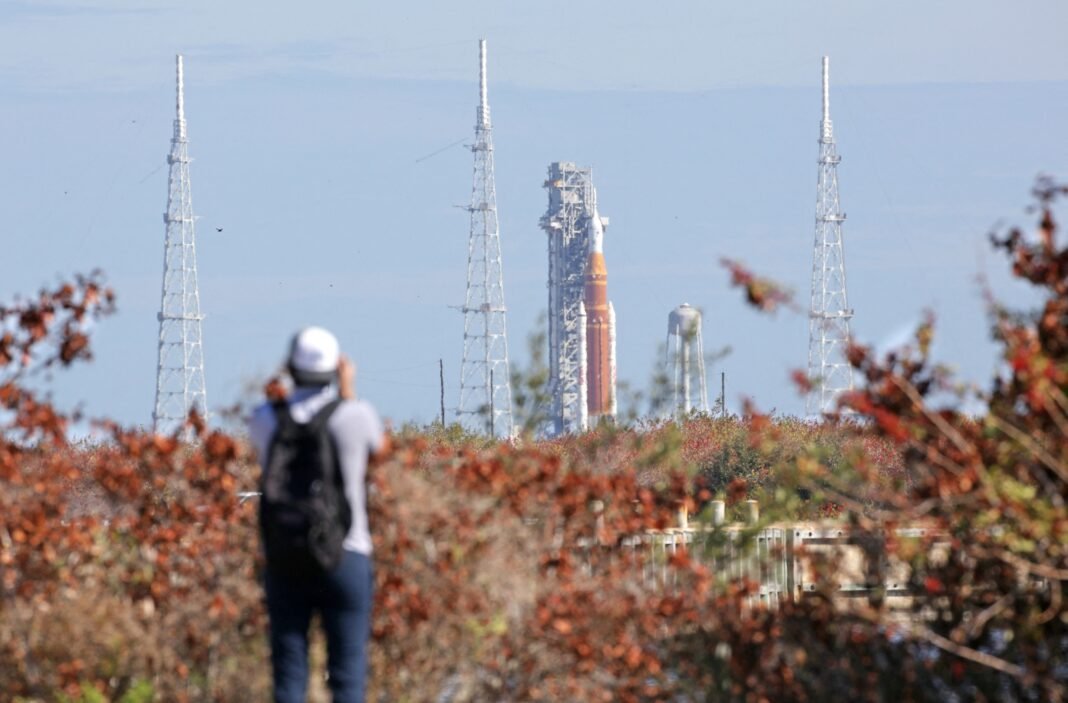
NASA has revealed another delay for the Artemis II mission, a crewed lunar flyby intended to advance humanity’s return to the Moon.Originally planned for March 6, the launch is now tentatively set for April due to technical complications with the space Launch System (SLS) rocket.
Understanding the Technical Setbacks Affecting Artemis II
The recent delay arises from an issue with helium flow in the SLS’s interim cryogenic propulsion stage. Helium is vital during pre-launch procedures as it purges engines and pressurizes fuel tanks. Even though this system operated smoothly during two prior dress rehearsals, it unexpectedly malfunctioned during routine checks, forcing engineers to pause progress.
Because repairs must be performed inside NASA’s Vehicle Assembly Building (VAB), maintaining a March launch date is no longer possible. the rocket has been moved back to its hangar for thorough inspection and necessary fixes.
The Crucial Function of Helium in Rocket Operations
Helium serves multiple essential purposes: it acts as an inert gas preventing combustion risks and stabilizes pressure within propellant tanks. Any disruption can compromise engine performance or safety protocols, which explains NASA’s cautious response following this anomaly.
A Chronology of Artemis II Preparations and Challenges
- Original Launch Window: Planned between February 6-11 but postponed after hydrogen leaks were detected during fueling in the wet dress rehearsal (WDR).
- Accomplished Second Dress Rehearsal: On February 19, teams loaded nearly 700,000 gallons of liquid propellant without leaks; upgraded seals helped maintain hydrogen levels safely below critical limits.
- Tentative New Date: Following these improvements,NASA targeted March 6 for launch.
- The Helium Flow Issue: On February 20, helium flow problems reoccurred-similar issues had appeared on Artemis I-likely caused by faulty filters or valves requiring replacement.
The Vision Driving Artemis Missions Beyond Apollo
This postponement underscores both the complexity and ambition behind NASA’s current lunar exploration program. Unlike Apollo missions over fifty years ago-which faced their own setbacks-the Artemis initiative aims not only to visit but also establish a lasting human presence on and around the Moon over coming decades.
“With today’s technological advancements and investments,” NASA leadership emphasizes that “Artemis will exceed Apollo by enabling continuous exploration through lunar bases and regular missions.”
A Record-Breaking Voyage Around the Moon
If successful,Orion-the spacecraft carrying astronauts-will journey farther than any manned vehicle before it on its approximately ten-day mission circling the Moon. By day six, it will surpass Apollo 13’s record distance of roughly 400,171 kilometers from Earth before safely splashing down near San Diego upon return.
The Essential Role of Artemis II Despite No Lunar Touchdown
this flight does not include landing on lunar soil-that milestone awaits Artemis III-but serves as a critical test platform validating technologies needed for future surface missions. Its success will demonstrate that NASA has dependable systems capable of supporting long-term human activity beyond Earth orbit once again.
Pioneering a New chapter in Space exploration
- Sustained efforts continue despite delays reflecting typical challenges inherent in advancing spaceflight technology at scale;
- The insights gained directly inform safer spacecraft design;
- This stepwise approach ensures preparedness for establishing permanent outposts facilitating scientific research and resource utilization on the Moon;
- An international competition toward deep space exploration intensifies alongside progress made through programs like Artemis;
- Crewed missions beyond low Earth orbit represent humanity’s next monumental leap into our solar system’s frontier regions.
“The path forward may be complex with obstacles at every turn,” stated mission planners; “but each challenge overcome brings us closer to achieving sustained human presence beyond Earth.”
Navigating these difficulties exemplifies how modern space exploration builds upon past achievements while embracing innovation essential for future success amid evolving technical demands.