NASA’s Bold New Strategy for Moon and Mars Exploration
Establishing a Lasting Human Presence on the Moon
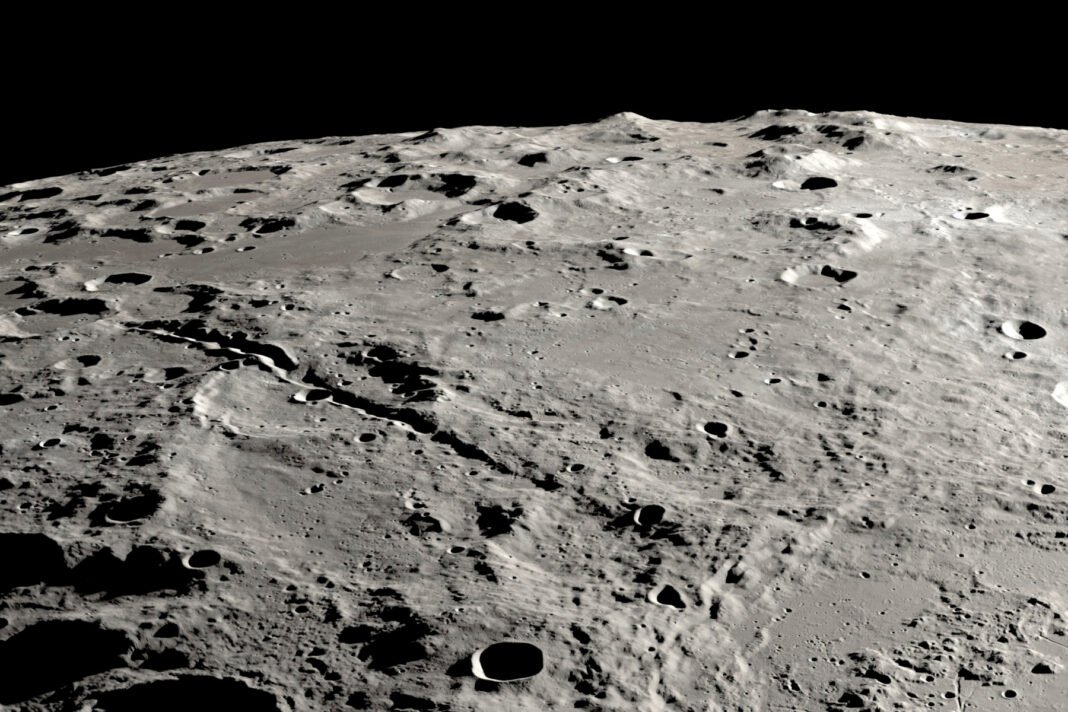
NASA is embarking on a transformative journey by allocating $20 billion over the next seven years to build a permanent lunar base. This approach marks a clear shift from previous plans that focused primarily on constructing an orbiting space station near the Moon.
The focus now lies in developing infrastructure directly on the lunar surface, enabling sustained human habitation.Robotic missions will be essential in this effort, preparing landing zones, testing cutting-edge technologies, and assembling critical facilities ahead of astronaut arrivals planned later this decade.
Innovations in Nuclear-powered Spacecraft: Introducing Space Reactor 1 Freedom
A cornerstone of NASA’s updated exploration agenda is the deployment of space Reactor 1 Freedom, an aspiring spacecraft designed to demonstrate nuclear electric propulsion beyond Earth’s orbit before 2029. This mission aims to transition nuclear technology from experimental labs into practical applications for deep-space travel.
This spacecraft will also carry advanced aerial drones destined for Mars, building upon the success of ingenuity-the first powered aircraft to fly on another planet during NASA’s Perseverance rover mission in 2021. These new drones are expected to considerably enhance Martian surface exploration while validating reliable nuclear-powered propulsion systems en route.
Reimagining Lunar Gateway: From Orbital Hub to Surface Infrastructure
The original plan for lunar Gateway, developed with international partners including Japan, Canada, and Europe alongside contractors like Northrop Grumman, envisioned an orbital outpost serving as a staging area for lunar missions. However, NASA has decided to pause this project temporarily and redirect some Gateway components toward establishing facilities directly on the Moon’s surface.
This pivot raises important questions about how partner nations will adjust their contributions since many commitments were tied specifically to modules designed for operations in lunar orbit rather than surface installations.
“By pausing Gateway as initially conceived, we can concentrate resources on infrastructure that supports continuous human presence directly on lunar terrain,” stated NASA leadership during recent briefings.
The Artemis Program Amid Rising Global Space Competition
Launched in 2017 as America’s flagship initiative following Apollo-era moon landings more than fifty years ago, Artemis seeks routine crewed missions beyond earth. The program is currently undergoing multi-billion-dollar contract revisions driven by shifting priorities and increasing competition from China-whose space agency aims for manned lunar landings by 2030.
this renewed emphasis reflects broader ambitions not only focused on scientific discovery but also asserting strategic leadership within space exploration throughout this decade and beyond.
The Crucial Role of Robotics Before Human Arrival
- Robotic explorers will survey potential habitats and test life-support systems under extreme conditions prior to astronaut deployment;
- Drones more advanced than Ingenuity are planned both around Earth’s satellite and Mars;
- Nuclear propulsion demonstrations aim at shortening travel times between planets while boosting payload capacity;
- Sustainable energy solutions such as compact reactors could provide reliable power independent of solar availability;
Pioneering Technologies Shaping Interplanetary Travel
Nuclear electric propulsion stands out among today’s most promising advancements enabling faster journeys through deep space compared with conventional chemical rockets. By converting nuclear energy into electrical power that drives ion thrusters or other elegant engines, spacecraft can achieve greater efficiency over long durations-vital when traversing millions of miles across our solar system.
Lunar Surface Infrastructure: Foundations for Long-Term Habitation
- Habitat Modules: Engineered using modified orbital station components tailored for harsh moon environments;
- Energization Systems: Compact nuclear reactors delivering consistent power irrespective of sunlight conditions;
- Mars Helicopter Deployment: Testing autonomous flight vehicles capable of exploring terrain inaccessible by rovers or humans;
- Sustainability Measures: Integrated air and water recycling systems within habitats ensuring long-term viability;
A New Era Focused on Permanent Off-Earth Settlements
This strategic realignment underscores NASA’s dedication not merely toward reaching extraterrestrial bodies but establishing enduring footholds that support scientific research alongside emerging commercial ventures. As robotic precursors blaze trails with groundbreaking technology demonstrations like Space Reactor 1 Freedom leading efforts toward Mars milestones remain well within reach over coming years.