



Obstacles and Setbacks in teh Production of Sodium-Ion Batteries
NatronS Shutdown Deals a Major Blow to U.S. Sodium-Ion Battery Progress
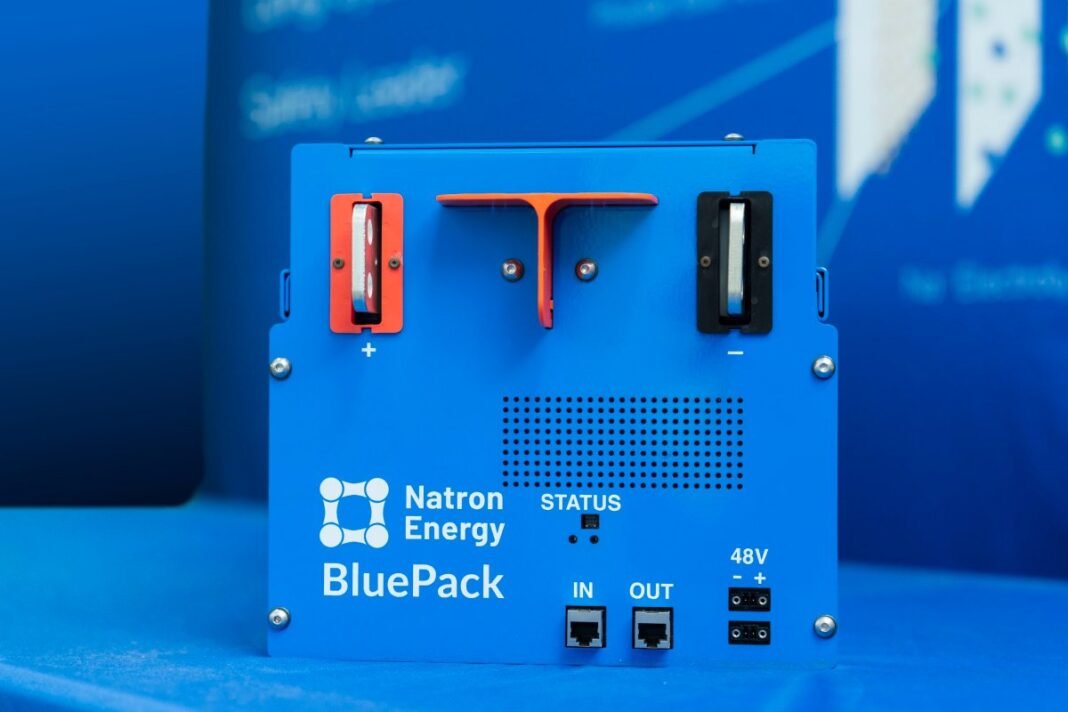
After more than ten years of research and development, Natron, a sodium-ion battery startup, has ceased its operations, halting efforts to commercialize its technology within the United States. Although the company had secured $25 million worth of orders for its manufacturing plant in Michigan, it was unable to meet these commitments due to important delays in obtaining UL certification-a critical safety approval that often requires several months.
Financial Pressures and Waning Investor Confidence
The extended wait for certification severely impacted Natron’s financial health as investors became increasingly hesitant to provide further funding. Sherwood Partners, the primary shareholder, attempted to sell its stake but encountered no buyers. Consequently, Natron is now undergoing liquidation through an “assignment for the benefit of creditors,” a process designed for faster asset disposition without court involvement compared to traditional bankruptcy.
An Ambitious Expansion Plan That Fell Through
Only one year earlier, Natron had unveiled plans for a $1.4 billion sodium-ion battery gigafactory in North Carolina aimed at producing gigawatt-hours of cells annually while creating up to 1,000 jobs. The factory was intended primarily for stationary energy storage systems and data centers-markets where sodium-ion batteries’ lower energy density relative to lithium-ion is less detrimental.
The Influence of Market Forces on Sodium-Ion Battery Viability
Sodium-ion batteries are attractive because sodium is far more abundant and less costly than lithium; however, their commercial prospects have been undermined by drastic fluctuations in lithium prices. Over the last two years alone, lithium carbonate prices have dropped nearly 90%, largely due to aggressive pricing tactics from Chinese manufacturers.
A Global Pattern: Challenges Facing Western Battery Manufacturers Outside Asia
The closure of Natron mirrors broader struggles experienced by Western companies attempting large-scale battery production beyond Asia’s well-established supply chains and expertise hubs:
- Powin Energy: In mid-2025, this Oregon-based firm filed for Chapter 11 bankruptcy after failing to secure dependable non-Chinese suppliers of lithium-iron-phosphate cells essential for assembling grid-scale batteries.
- Northvolt: Europe’s leading domestic battery producer declared bankruptcy earlier this year amid monthly cash burn rates approaching $100 million and lost key contracts such as BMW’s canceled $2 billion order due to delivery issues.
Navigating Forward: The Need for Enduring Support and Strategic Collaborations
the repeated setbacks highlight that establishing competitive domestic battery industries demands long-term government support extending well beyond typical investment horizons or political cycles-to counterbalance decades-long Asian dominance built on deep-rooted supply chains.
A realistic strategy likely involves forming partnerships with established Asian manufacturers like Panasonic or LG Energy Solution rather than pursuing fully self-reliant ventures. Currently, Western ambitions rely heavily on integrating existing Asian supply networks while incrementally developing local capabilities under consistent policy frameworks.
“sustained capital commitment combined with strategic alliances will determine the future success of domestic battery manufacturing.”
Sodium-Ion Batteries: Opportunities Amidst Industry Challenges
Sodium-ion technology continues showing promise thanks mainly to abundant raw materials and cost advantages but faces stiff competition from increasingly affordable lithium-based alternatives supported by mature global supply chains-particularly those centered in China which controls approximately 70% of worldwide processing capacity according recent industry data.
This dynamic surroundings presents both significant opportunities and formidable challenges for innovators striving toward sustainable energy storage solutions beyond conventional lithium chemistry platforms.


