Iran’s Tactical Financial messaging Amid US-Israel Tensions
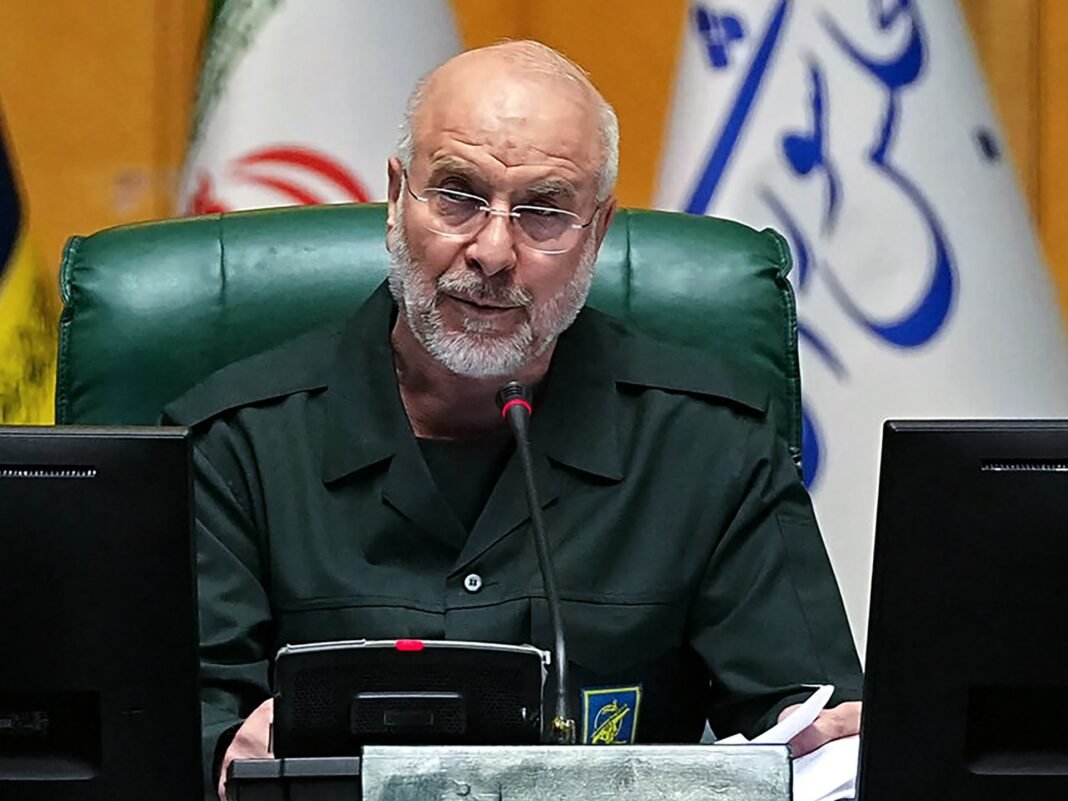
In the midst of escalating tensions between the United States and Israel, Iran’s parliamentary speaker Mohammad Bagher Ghalibaf has unexpectedly taken on a role akin to a financial strategist. Utilizing the social media platform X, he has urged investors to approach market-moving news-often shaped by US-driven narratives-with considerable skepticism.
Interpreting Market Movements: Ghalibaf’s Inverse Strategy
Ghalibaf has repeatedly highlighted that much of what is presented as “breaking news” before market openings often serves as a setup for profit-taking rather than reflecting genuine economic data. His advice encourages followers to adopt a contrarian stance: when markets are aggressively pushed upward (“pumped”), consider shorting assets; conversely, when markets experience heavy sell-offs (“dumped”), look for buying opportunities.
This perspective reveals an awareness that headlines can act as reverse indicators during periods of heightened volatility. His commentary frequently combines sharp humor with pointed critiques about manipulation within financial and energy sectors.
The Digital battlefield: Social Media’s Role in Geopolitical Finance
The conflict between Tehran and Washington extends far beyond conventional military arenas into digital domains where information warfare shapes both public perception and investor behavior. Analysts observe that Ghalibaf’s posts exemplify how platforms like X have become tools for psychological operations amid geopolitical strife.
For example, he sarcastically referenced attempts to manipulate oil futures through speculative “paper oil” trading firms while questioning whether such maneuvers could realistically affect fuel availability at gas stations-a metaphor underscoring the gap between speculative trading and physical supply realities.
Leveraging Economic Pressure Through Asymmetric Means
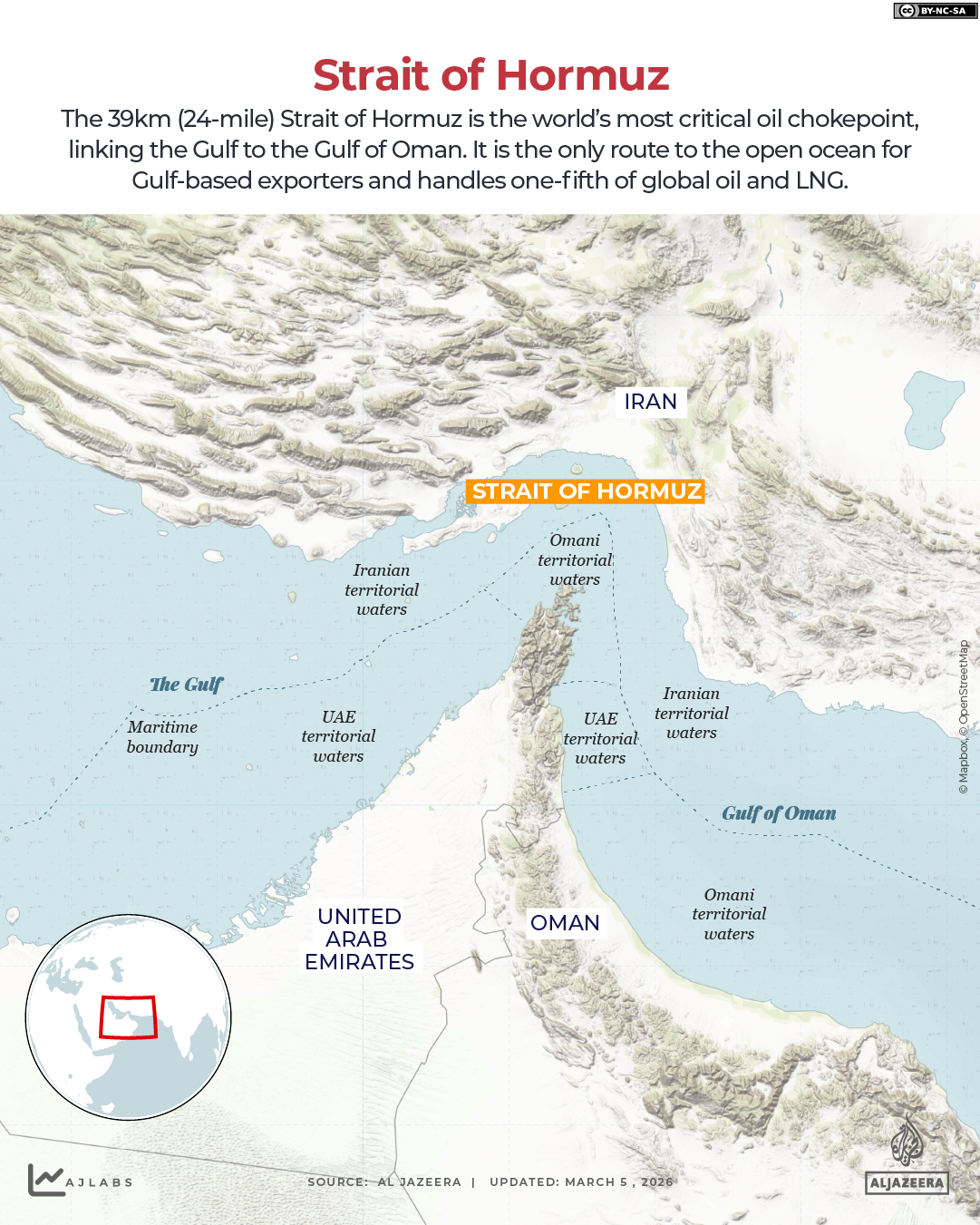
Iran’s messaging strategy aligns closely with its broader asymmetric tactics designed to exploit vulnerabilities within the US-led coalition’s economic framework. A key illustration is tehran’s repeated threats to close or disrupt traffic through the Strait of Hormuz-a vital maritime chokepoint responsible for nearly 20% of global oil and liquefied natural gas shipments-which historically triggers spikes in global energy prices.
This method allows Iran to influence international energy markets substantially without engaging in direct military confrontation, thereby amplifying uncertainty across worldwide financial systems.
A Direct Challenge Toward Financial Backers
Ghalibaf issued a stark warning aimed at financial institutions supporting US military operations throughout the Middle East, stating bluntly that “US treasury bonds are soaked in Iranians’ blood.” This statement signals vigilant monitoring of investment portfolios tied to American defense spending-an implicit deterrent against funding actions perceived as antagonistic toward Iran.
The Ripple Effects on Global Markets and political Strategies
The convergence of declining stock indices, rising energy prices, and increasing interest rates exerts mounting pressure on political figures-notably former President Donald Trump-to reconsider aggressive military postures in favor of diplomatic solutions.This dynamic highlights how economic variables can shape geopolitical decision-making during crises.
A recognizable pattern emerged where Trump frequently enough delivered tough rhetoric over weekends when markets were closed but moderated his tone before trading resumed-a phenomenon traders dubbed TACO (“Trump always chickens out”). Iranian strategists have adeptly exploited these behavioral tendencies by applying calculated psychological pressure points effectively.
An Illustrative Incident: The Strait Ultimatum Extension
A notable episode occurred around march 23 when Trump initially issued a 48-hour ultimatum demanding Iran reopen passage through the Strait of Hormuz or face destruction targeting its energy infrastructure. However, just hours before this deadline expired, it was extended multiple times amid promises to delay attacks pending further negotiations-demonstrating tactical restraint influenced by market sensitivities alongside diplomatic considerations.
The Influence Behind Ambiguity: How Uncertainty Drives Market Volatility
Financial experts emphasize that uncertainty itself acts as one of the most powerful catalysts destabilizing global markets during wartime scenarios. It is not only direct confrontations but also ambiguous signals from conflicting parties that heavily sway investor sentiment-and Iranian officials’ seemingly playful yet intentional rhetoric contributes significantly to this volatile surroundings.
“The conflict introduces new leverage points beyond simple price fluctuations,” noted regional analysts examining recent developments affecting sensitive sectors such as oil production and futures trading.”
Broadening Strategic Impact Beyond Physical Disruptions
iran’s focus on controlling or threatening critical nodes like the Strait extends its influence far beyond actual interruptions in petroleum flows-it reshapes global investor expectations regarding risk exposure linked with Middle Eastern geopolitics. The amplified visibility-and unpredictability-of figures such as Donald Trump online further intensifies these effects by fueling continuous speculation about policy shifts or escalations.
Navigating Investor Psychology During Geopolitical Unrest
- Cautious Approach Toward Headlines: Investors should critically assess pre-market news due to potential manipulation aimed at orchestrated profit-taking rather than factual accuracy;
- Tactical Deployment Of Social Media: Both sides utilize digital channels strategically not only for dialogue but also psychological influence impacting market confidence;
- Evolving nature Of Conflict: Economic pressures via asymmetric tactics complement conventional military strategies;
- Diplomatic Consequences: market reactions may indirectly steer political decisions toward de-escalation or negotiation;
- Mental Frameworks For Traders: Recognizing patterns like last-minute deadline extensions aids anticipation amidst uncertainty;
- Caution In Sensitive Sectors: Oil futures remain especially vulnerable given thier central role economically and symbolically within this conflict context;