



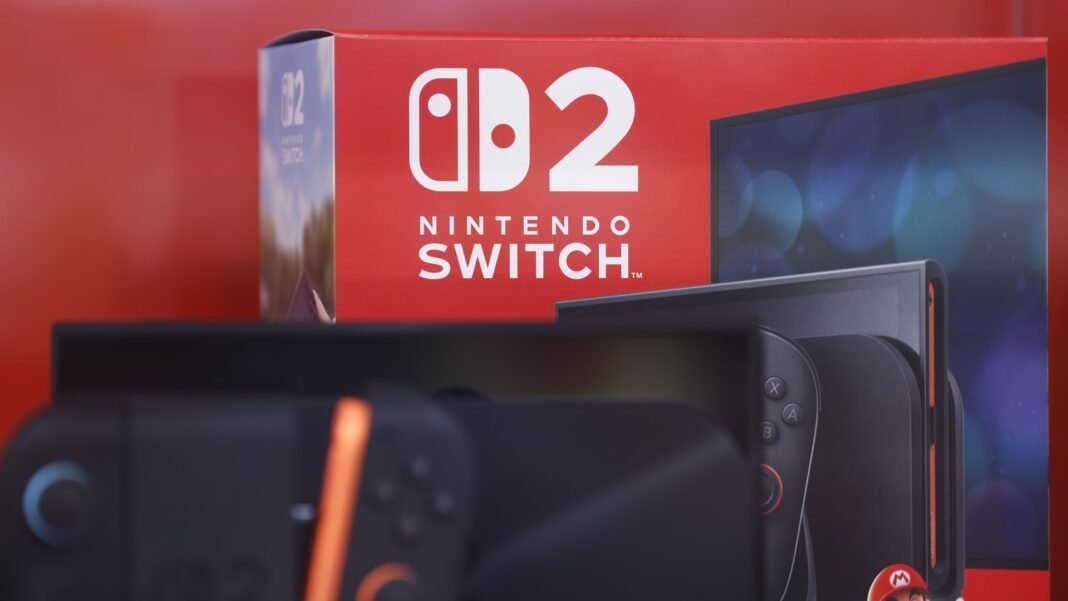
Nintendo Switch 2 Ignites Worldwide Excitement with Unmatched Sales Milestone
Global Frenzy Marks One of the Biggest Console Launches in Recent Memory
The unveiling of the Nintendo Switch 2 sparked an extraordinary wave of enthusiasm across continents, drawing passionate gamers to queue for hours in cities such as London, Seoul, and Los Angeles. This launch has been hailed as one of the most impactful technology rollouts in recent years, evoking memories of the intense anticipation surrounding early flagship smartphone releases.
Financial Highlights: Surpassing Market Expectations
Nintendo’s latest financial report reveals a dramatic upswing in revenue during its first fiscal quarter post-launch, more then doubling compared to last year.The company announced that sales for the new console soared to an impressive 5.82 million units within just thirty days after hitting shelves.
- Total Revenue: Reached an outstanding 572.3 billion Japanese yen (around $3.8 billion USD), representing a staggering 132% increase over last year’s figures and comfortably beating analyst forecasts pegged at approximately 474.84 billion yen.
- Operating Profit: Registered at 56.9 billion yen, slightly exceeding expectations which were near 53.46 billion yen.
User Growth and Premium Pricing Propel Platform Segment Expansion
the dedicated gaming hardware division experienced explosive growth-up over 140% year-over-year-achieving sales close to 555.5 billion yen this quarter alone. This surge was driven by Nintendo’s strategic decision to position the Switch 2 at a higher price point than its predecessor while simultaneously broadening its appeal through innovative hybrid features that blend handheld portability with home console power.
Divergent Trends Within Entertainment IP Revenues
In contrast,revenues linked to Nintendo’s intellectual property ventures-including film adaptations and other entertainment projects-declined modestly by about 4.4%. This decrease was largely due to softer returns from recent movie tie-ins related to their flagship franchises during this period.
Steady Financial Outlook Amidst External Challenges
Nintendo remains confident about its full-year projections despite these mixed results: it continues to forecast total revenue near 1.9 trillion yen alongside operating profits around 320 billion yen for fiscal year ending March 2026.
The company’s stock price has surged roughly 40% so far this calendar year fueled by investor optimism surrounding strong consumer reception and robust performance of their new hybrid console model worldwide.
Sustained Sales Momentum Expected Through Fiscal Year End
The Switch 2 debuted on June 5th with remarkable momentum-selling over three-and-a-half million units within just four days-and Nintendo anticipates cumulative sales reaching approximately fifteen million units before March concludes.
This conservative forecast persists despite some market analysts suggesting actual demand could outpace these estimates given ongoing global enthusiasm across diverse regions including Europe and Southeast Asia.
navigating Tariff Pressures and Market Volatility
A looming challenge involves recently increased U.S.-imposed tariffs on imported electronics which may temporarily compress profit margins in upcoming quarters; however, industry experts believe long-term gains will offset short-term impacts through expanded software ecosystem engagement driving recurring revenue streams.
“While tariff hikes might pressure near-term earnings,” noted equity research specialists,
“the growing user base will ultimately boost software sales enough to counterbalance these costs without necessitating major revisions in our annual outlook.”
Evolving Strategy: Beyond Hardware Toward Integrated Ecosystem Growth
Nintendo is strategically shifting focus beyond mere hardware sales toward fostering sustained player engagement via compelling software releases and multimedia content tied closely with beloved franchises like Pokémon and Zelda – positioning itself strongly against competitive pressures while adapting fluidly amid changing trade environments worldwide.


