How U.S. Sanctions on Russian Oil Companies Are Reshaping Global Energy Markets
Oil Prices React Strongly to New U.S. Sanctions
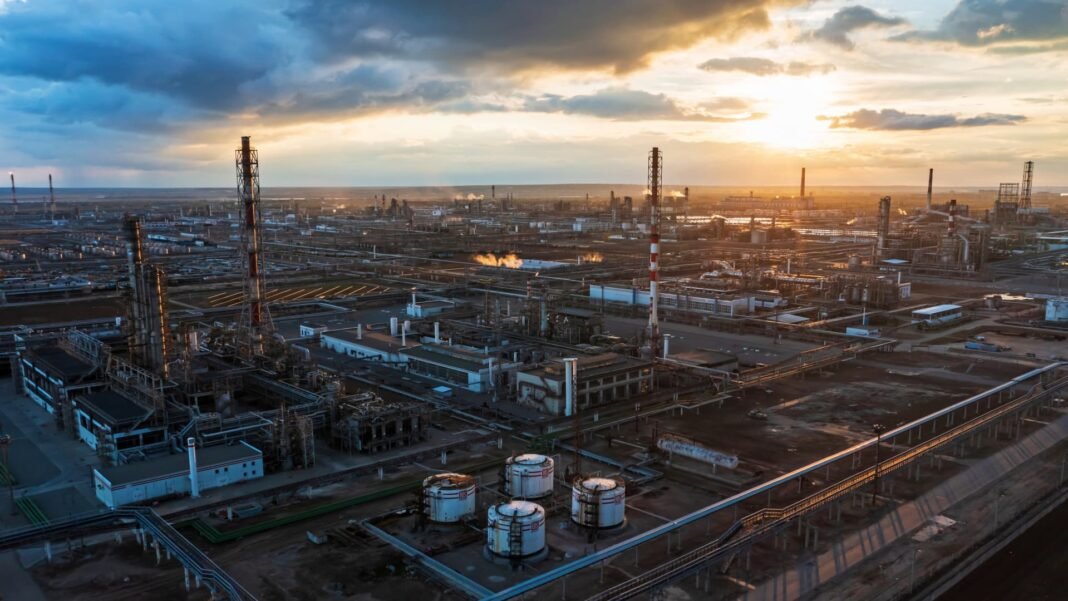
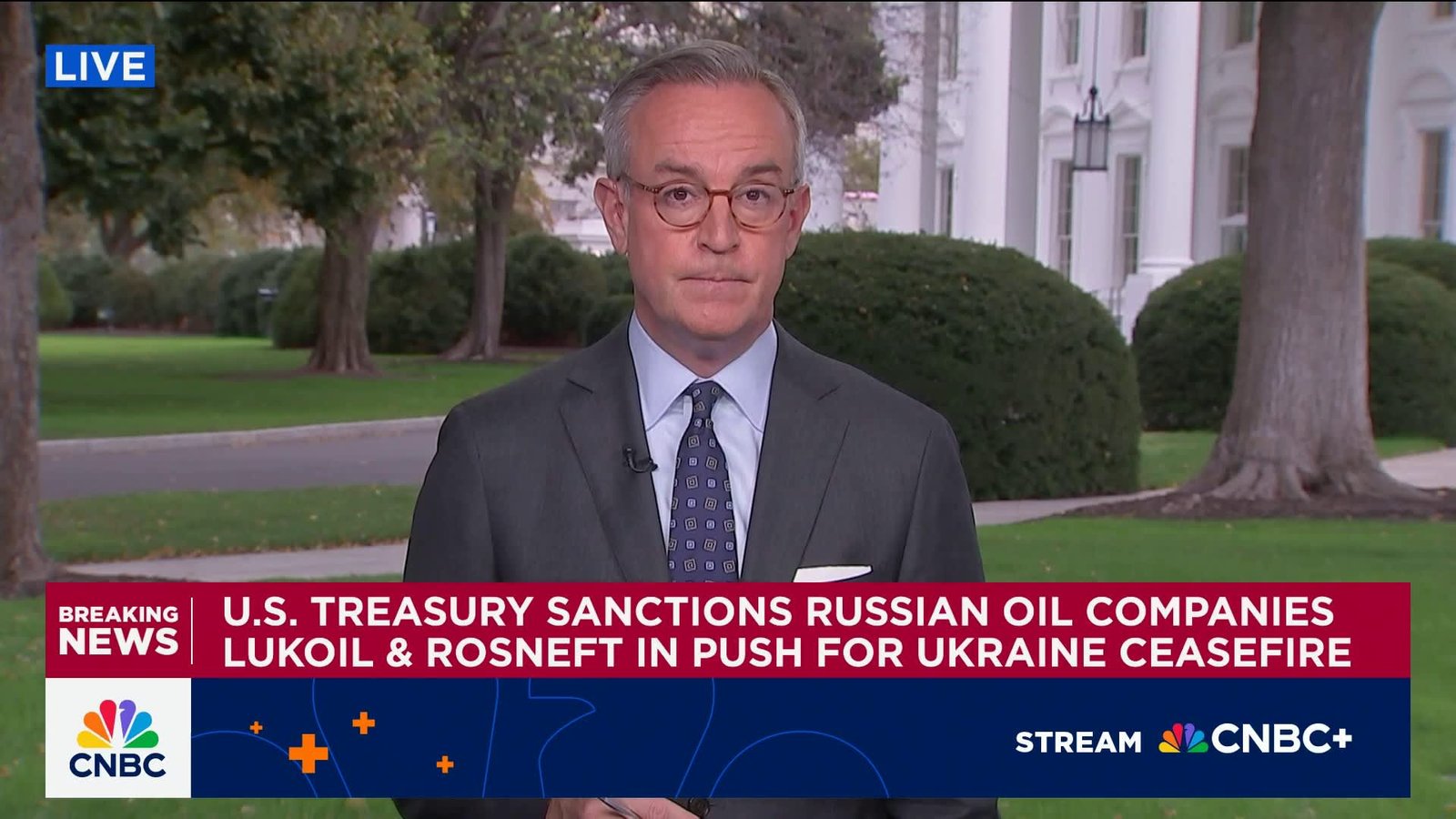
Following the announcement of fresh sanctions by the U.S. Treasury targeting Russia’s two dominant crude oil producers,global oil prices surged sharply by nearly 3%. These sanctions where implemented in response to Moscow’s reluctance to engage sincerely in peace talks aimed at resolving the ongoing conflict in Ukraine.
Brent and WTI Crude See Significant Price Gains
The international benchmark Brent crude climbed $1.90, or close to 3%, reaching $64.50 per barrel during early evening trading (ET). Meanwhile, West Texas Intermediate (WTI) futures rose approximately $1.80, about 3%, settling near $60.30 per barrel within the same timeframe.
During regular trading hours on Wednesday,Brent closed up 2% at $62.65 a barrel while WTI finished with a gain of 2.3%, closing around $58.55 per barrel.
U.S. Officials Stress Immediate Ceasefire as Sanctions Take Effect
Treasury Secretary Scott Bessent highlighted the critical need for an immediate cessation of hostilities when unveiling sanctions against Rosneft and Lukoil-two major pillars of Russia’s oil sector.
“The time has come to stop the violence through an immediate ceasefire,” Bessent emphasized during his statement.
The Treasury also indicated readiness to intensify measures if necessary, backing diplomatic efforts led by President Trump and encouraging allied nations worldwide to support these sanction initiatives.
Diminishing Kremlin Revenues Amid Targeted Energy Restrictions
The newly imposed restrictions aim squarely at reducing Moscow’s ability to earn revenue from its energy exports-a vital source funding its military activities in Ukraine.
Diplomatic challenges Influence Policy decisions
A senior White House official disclosed that these sanctions coincide with setbacks surrounding a planned summit between President Donald Trump and Russian President Vladimir Putin in Budapest that ultimately failed to take place.
increasing Pressure on Key Importers Like India
The United States is also applying diplomatic pressure on India-one of Russia’s largest crude buyers-to curtail or halt purchases amid escalating geopolitical tensions and shifting economic priorities globally.
Bigger Picture: Production surges Meet Demand Uncertainties
- This year alone, U.S.-based crude prices have fallen roughly 16%,while Brent has declined nearly 14%. This drop is largely attributed to increased output from OPEC+ members such as Saudi Arabia and Russia who have steadily boosted production over recent months despite market volatility.
- Additionally, ongoing trade disputes fueled by tariffs have raised concerns about slowing global economic growth which could suppress future demand for petroleum products across sectors including transportation and manufacturing worldwide.
An Asia-Pacific Example: Japan’s Shift Toward Energy Diversification
A notable example comes from Japan’s recent strategic pivot toward option energy sources after reducing dependence on imported fossil fuels amid volatile pricing influenced partly by geopolitical instability disrupting supply chains-a trend echoed among several developed economies seeking enhanced energy security following pandemic-related disruptions.
“global energy markets remain highly reactive as geopolitical events continue reshaping supply patterns worldwide.”