Oil Markets Face Turbulence Amid Rising West Asia Conflicts and Strait of Hormuz Tensions
Critical Maritime Corridors Under Strain
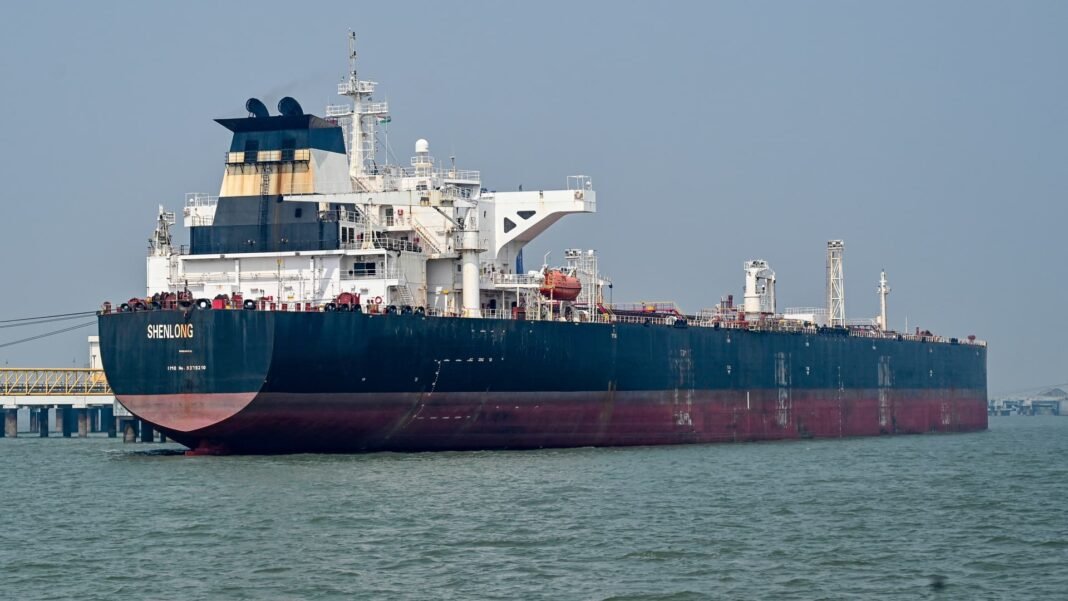
The Liberia-flagged crude tanker Shenlong Suezmax recently docked at Mumbai port after successfully traversing the strategically vital Strait of Hormuz, a key artery for global oil transportation. This passage took place despite escalating geopolitical tensions in West Asia, highlighting the persistent risks confronting maritime energy logistics in an increasingly unstable region.
Sharp Price Swings Triggered by Heightened Military Risks
Following alerts from U.S. officials about possible intensified military operations against Iran within weeks, oil prices surged dramatically. The May contract for U.S. West Texas Intermediate (WTI) crude jumped 4.1%,closing at $104.21 per barrel, while June Brent futures rose 5% to reach $106.42 per barrel late in trading.
Escalating Political Statements Amplify Market Nervousness
The surge in oil costs was linked to recent aggressive assaults on commercial vessels and neighboring countries,described by U.S. authorities as “brazen terror attacks” aimed at pressuring Iran’s regime.Despite this confrontational rhetoric, diplomatic efforts continue behind the scenes with ongoing negotiations suggesting a potential pathway toward easing tensions.
“Our goal is to resolve this swiftly and decisively,” declared the U.S. President during a national broadcast, stressing that military actions would intensify over the coming two to three weeks but would not extend indefinitely.
Investor Behavior Reflects Growing Caution Amid Uncertainty
Market analysts observe that investors had been bracing for either escalation or de-escalation following recent political statements; though, current trends point toward prolonged ambiguity surrounding conflict outcomes.
This uncertainty has fostered risk-averse sentiment among traders who are holding back on major investments until clearer signals emerge amid volatile market conditions.
The Strait of Hormuz: A Vital Energy Passageway Under Threat
The Strait of Hormuz channels nearly 20% of global oil and gas shipments annually but has experienced near-complete disruption as clashes erupted between the U.S.-Israel coalition and Iran in early 2026-triggering one of the most severe supply crises seen in decades.
A prominent geopolitical risk expert noted that Washington appears to have stepped back from its traditional role ensuring safe navigation through this crucial waterway, leaving regional powers and private shipping firms responsible for their own security measures moving forward.
Conflicting Reports on Ceasefire Talks Complicate Outlook
- An initial wave of optimism arose when reports suggested Iran sought a ceasefire contingent upon reopening free passage through the Strait; however, Iranian officials quickly refuted these claims while maintaining strict naval control over maritime routes.
- This tug-of-war reflects ongoing contradictions between both parties regarding peace negotiations since hostilities began-further elaborate by mixed messages from American leaders signaling simultaneous readiness for diplomacy and military escalation.
- Despite these tensions, Brent crude briefly dipped below $100 per barrel following announcements hinting at an imminent reduction in combat activities-a move interpreted as an unofficial declaration of victory without formal agreement with Tehran.
Evolving Challenges Shape Global Energy Security Landscape
This unfolding crisis underscores how geopolitical conflicts continue to profoundly influence worldwide energy markets-from disruptions along strategic shipping lanes like Hormuz to shaken investor confidence amid fears over supply shortages and price surges surpassing those witnessed during previous shocks such as pandemic-related disruptions or earlier Middle East conflicts throughout the last decade.
“The stability of international oil markets depends heavily on securing access through chokepoints like hormuz,” says an industry analyst tracking shipping routes affected by regional unrest.
“Until these issues are resolved sustainably,expect volatility levels to remain elevated.”