Film industry Figures Critique Berlinale’s Silence on Gaza Conflict
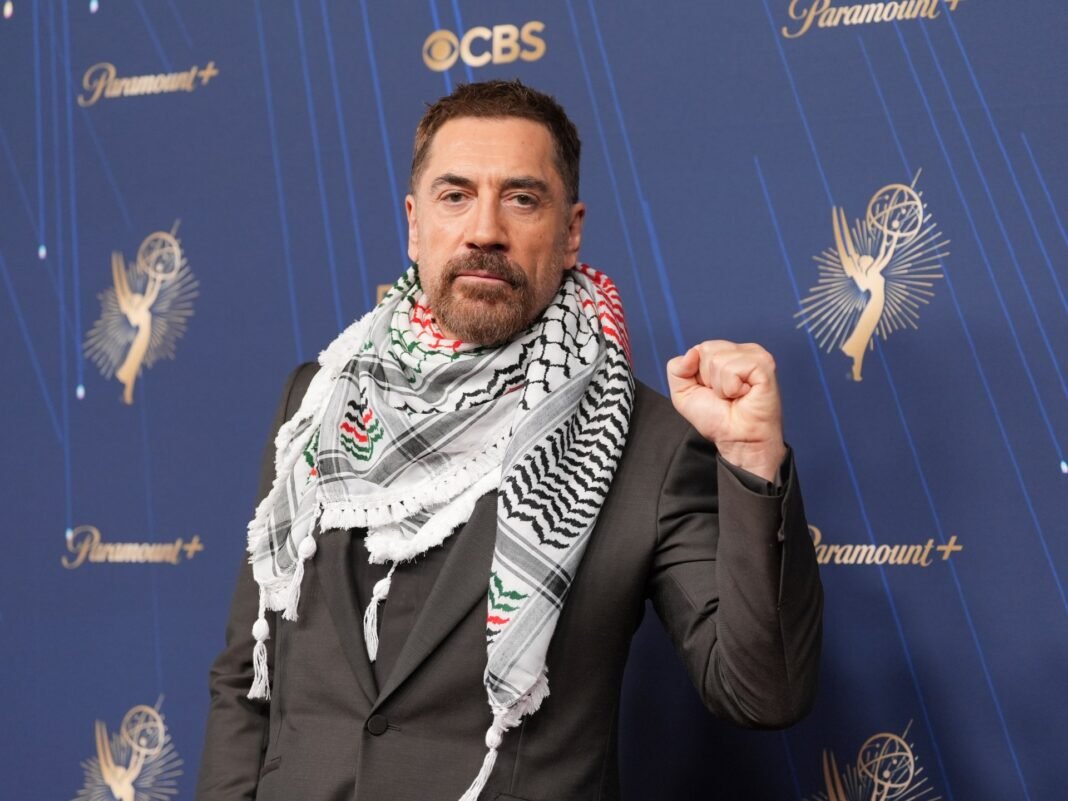
A group exceeding eighty film industry professionals, featuring prominent actors such as Javier Bardem adn Tilda Swinton, have openly criticized the Berlin International Film Festival for what thay describe as “anti-Palestinian racism” and its refusal to condemn Israel’s ongoing military operations in Gaza.
Demanding Explicit Condemnation Amid Escalating Violence
in a forceful open letter, these artists called on the festival’s leadership to clearly denounce what they label as “Israel’s genocide” in Gaza. This appeal followed comments from Wim Wenders,president of this year’s Berlinale jury,who stated that the festival shoudl “stay out of politics” when questioned about the crisis-a position that ignited significant backlash within creative circles worldwide.
Disparities in Festival Responses to Global Conflicts
The signatories pointed out a stark inconsistency: while Berlinale has publicly condemned Russia’s invasion of Ukraine and expressed support for Iranian protesters demanding freedom, it remains silent regarding Israel’s military actions against Palestinians. This selective approach has led to accusations that the festival applies its values unevenly based on geopolitical considerations.
Censorship allegations from Past Berlinale Editions
the letter also recounted troubling episodes during last year’s festival where filmmakers advocating Palestinian rights encountered severe pushback from senior programmers. One filmmaker was reportedly subjected to police interrogation after delivering a speech grounded in international law and human rights-an act misrepresented by festival officials as discriminatory conduct.
“We stand united against this institutional suppression and anti-Palestinian bias,” affirmed a coalition of artists including Cherien Dabis, Brian Cox, Adam McKay, Mike Leigh, lukas Dhont, Nan Goldin, and Avi Mograbi-all previous participants at Berlinale.
The Inextricable Link Between Cinema and Politics
The filmmakers strongly rejected Wenders’ claim that cinema should remain detached from political discourse. They argued that storytelling inevitably mirrors societal realities and political struggles; ignoring these issues diminishes both art’s integrity and its ethical obligation.
Worldwide Artistic Movements challenging Israeli Policies
This collective action is part of a larger global cultural resistance. More than 5,000 film professionals have committed to boycotting Israeli institutions due to their perceived complicity or silence concerning human rights violations. Last year witnessed major festivals-including Amsterdam’s leading documentary event-endorsing cultural boycotts aimed at pressuring Israel for accountability within an international solidarity movement.
Berlinale Under Growing Pressure From Creative Communities
Despite mounting calls within global cinema networks advocating Palestinian dignity and justice,the berlin International Film Festival has yet to release any official statement condemning violence against Palestinians or affirming these humanitarian principles.
“An influential platform like Berlinale must unequivocally oppose war crimes inflicted upon Palestinians,” urged the letter signatories demanding immediate action by festival organizers.
The Wider Context: Arms Trade Impacting Civilian Lives
This controversy arises amid disturbing revelations about weaponry deployed in Gaza. Investigations indicate thermobaric weapons supplied by the United States-which can reach temperatures exceeding 3,500°C (6,332°F)-have caused thousands of palestinian casualties with devastating effects leaving little physical trace behind.Germany continues as one of Israel’s top arms exporters despite growing evidence linking these weapons with civilian suffering on both sides of the conflict.
Cultural Institutions’ Ethical Duty During Humanitarian Crises
The film community insists festivals like Berlinale must transcend artistic merit alone by embracing moral accountability-refusing complicity through silence or censorship when confronted with atrocities worldwide.This responsibility includes openly condemning acts tantamount to genocide or crimes against humanity wherever they occur-including Palestine-and supporting heroic artists who raise their voices on such critical issues without fear of reprisal.