Diplomatic Initiatives and intensifying Conflict in the U.S.-Iran crisis
Pakistan’s Mediation Role in Peace Negotiations
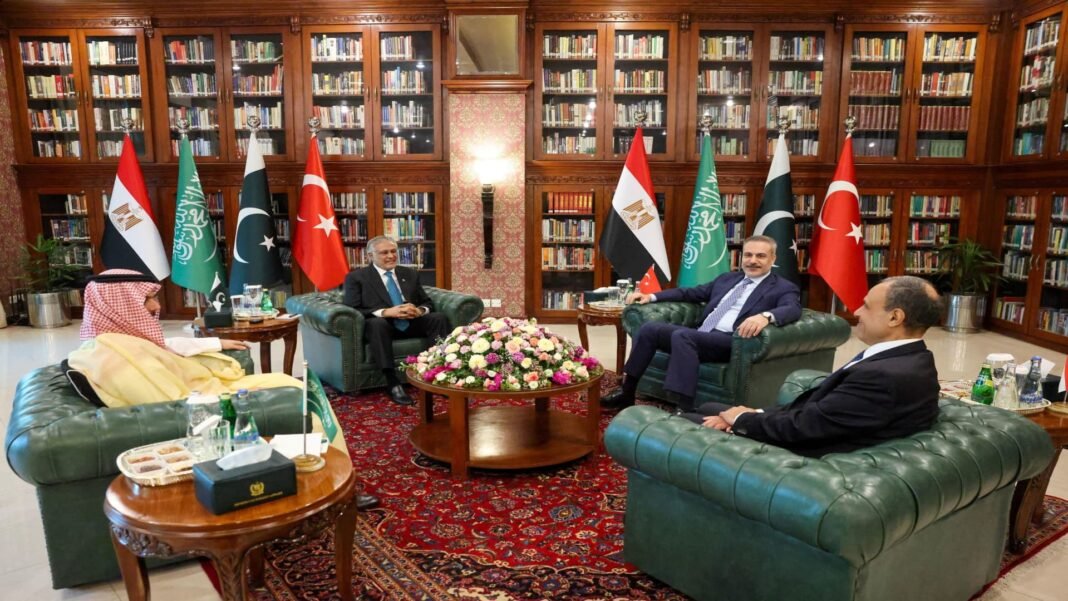
Pakistan has emerged as a trusted intermediary, with Deputy Prime minister and Foreign Minister Ishaq Dar confirming that both the united States and Iran have placed confidence in Pakistan to facilitate forthcoming peace talks aimed at resolving the escalating U.S.-Iran tensions. This proclamation followed a high-level meeting held in Islamabad involving foreign ministers from Saudi Arabia, Turkey, and Egypt.
Dar expressed Pakistan’s dedication to providing a platform for constructive dialog between the disputing parties, stating, “We are privileged to host discussions that could pave the way for a lasting resolution.” Despite this optimism, it remains unclear whether formal agreements to initiate these negotiations have been officially endorsed by Washington or Tehran.
Regional Powers Unite Amid Heightened hostilities
A coalition of foreign ministers from Egypt, Saudi Arabia, Turkey, and Pakistan convened independently of direct U.S. or Israeli involvement to explore avenues for de-escalation amid rising conflict. Egyptian Foreign Minister Badr Abdelatty emphasized that these efforts seek to establish “direct dialogue channels” between Washington and Tehran-parties which until now have largely relied on indirect intermediaries.
The diplomatic momentum faces challenges as Iranian officials publicly dismissed a 15-point peace proposal put forth by the United States, rejecting negotiations perceived as being conducted under coercion. In response, Iranian state media disclosed Tehran’s own five-point framework demanding an end to targeted assassinations of Iranian figures, assurances against future attacks on its sovereignty-including control over strategic waterways such as the Strait of Hormuz-and reparations for inflicted damages.
The Critical Role of Maritime Chokepoints in Global Energy Security
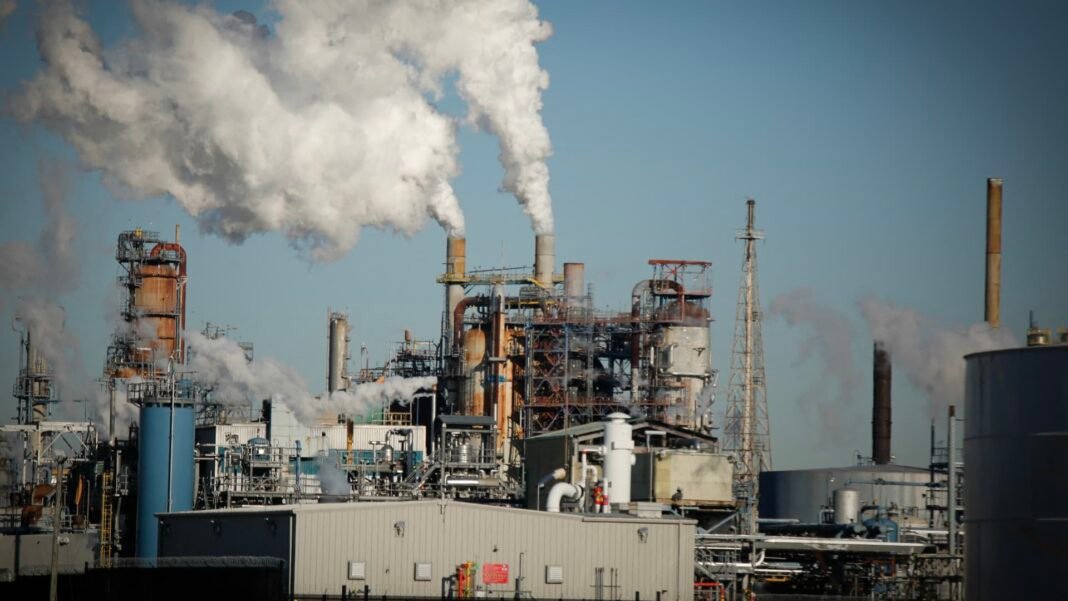
The ongoing conflict has severely disrupted vital maritime corridors essential for global energy transport. the Strait of Hormuz alone previously facilitated nearly 20% of worldwide oil shipments before recent hostilities led Iran to impose restrictions on vessel traffic through this narrow passageway-triggering volatility across international energy markets.
Compounding regional security concerns are missile strikes launched by Iranian-backed Houthi forces targeting Israel-their first direct military engagement-which experts warn could jeopardize navigation through another key chokepoint: bab el-Mandeb Strait. This strait serves as a gateway connecting shipping lanes into the Red Sea en route toward Europe via the Suez Canal; it accounted for roughly 12% of seaborne crude oil trade during early 2024.
Global Shipping Industry Responds: Maersk Highlights rising Risks
Danish shipping leader Maersk reported increased drone activity near Oman’s Port of salalah following these developments-a clear indicator that commercial routes critical to global supply chains face heightened threats amid escalating regional instability.
Military Deployments Hint at Possible Ground Conflicts
The Pentagon is reportedly preparing contingency plans for extended ground operations within Iran while deploying thousands more American troops across strategic Middle Eastern locations. President Trump confronts growing pressure balancing narratives suggesting military drawdown against warnings that escalation might potentially be unavoidable without decisive action.
- Lawmaker Views: Some members of Congress cautiously support limited missions but stress any prolonged occupation would require explicit congressional authorization; Senator James Lankford (R-Okla.) distinguished between special forces deployments versus full-scale invasions demanding legislative approval.
- Iranian Retaliation Threats: Mohammad Bagher Qalibaf-the speaker of Iran’s parliament-issued stern warnings against incoming U.S. ground forces promising fierce resistance alongside punitive measures targeting allied groups backing American interventionism within the region.
Nuclear Infrastructure Under Attack Amid conflict Escalation
The International Atomic Energy Agency confirmed satellite imagery revealing notable damage inflicted upon Iran’s Khondab heavy-water production facility near Arak-a site not declared nuclear material storage but integral within its nuclear infrastructure network.Israel claimed obligation for this strike among several others targeting nuclear-related sites as open hostilities intensified earlier this year.
An Industrial Blow: Aluminium Bahrain Targeted
An additional attack struck Aluminium Bahrain (Alba), home to one of the world’s largest aluminum smelters producing approximately 1.6 million tons annually prior to operational slowdowns caused by supply chain disruptions linked with closures around Hormuz Strait passages.
The company is currently assessing damage severity while prioritizing workforce safety amid ongoing unrest.
Aluminum prices surged recently reaching four-year peaks driven partly by fears over constrained output; even tho some price corrections occurred afterward prices remain elevated compared with pre-conflict levels due largely to geopolitical uncertainties impacting raw material availability globally.
This metal plays an indispensable role across diverse sectors including electronics manufacturing, transportation infrastructure , construction projects, renewable energy technologies , packaging industries,and beyond .
Civilian Toll Mounts Across multiple Frontlines
- Lebanon: More than 1,200 deaths reported amid intensifying Israeli-Hezbollah clashes; Israeli leadership vows decisive action against northern threats posed by Hezbollah rocket capabilities still active despite ongoing warfare;
- Iran:Official fatalities exceed 1,900 individuals directly or indirectly affected;
- < strong >Israel :19 deaths documented so far;< ul >< li >< strong >Iraq :Approximately 80 casualties mainly among security personnel amidst militia conflicts tied into broader war dynamics;< ul >< li >< strong >Gulf States :20 casualties recorded ; < ul >< li >< strong >West Bank :4 fatalities noted ;
-
United States :
< / strong >
13 service members killed during operations related directly or indirectly .
< / li >
< / ul >Evolving Threat Landscape Targets Educational Institutions and Cultural Sites
< p >In recent weeks Iranian authorities issued threats signaling retaliatory strikes aimed at educational institutions associated with American and Israeli interests unless Washington condemns attacks on universities inside Iran .Images circulated showing damage sustained at University Of Science And Technology In Tehran , attributed locally blamed US airstrikes. These developments highlight increasing risks faced not only militarily but also culturally significant institutions caught amidst mounting tensions . < / p >
“Urgent diplomatic engagement paired with cautious military strategy is essential-failure risks further destabilizing an already fragile region.”
-