Arrest of Pardoned Capitol Rioter Following Threats Against House Minority Leader Hakeem Jeffries
Details surrounding the Arrest and Investigation
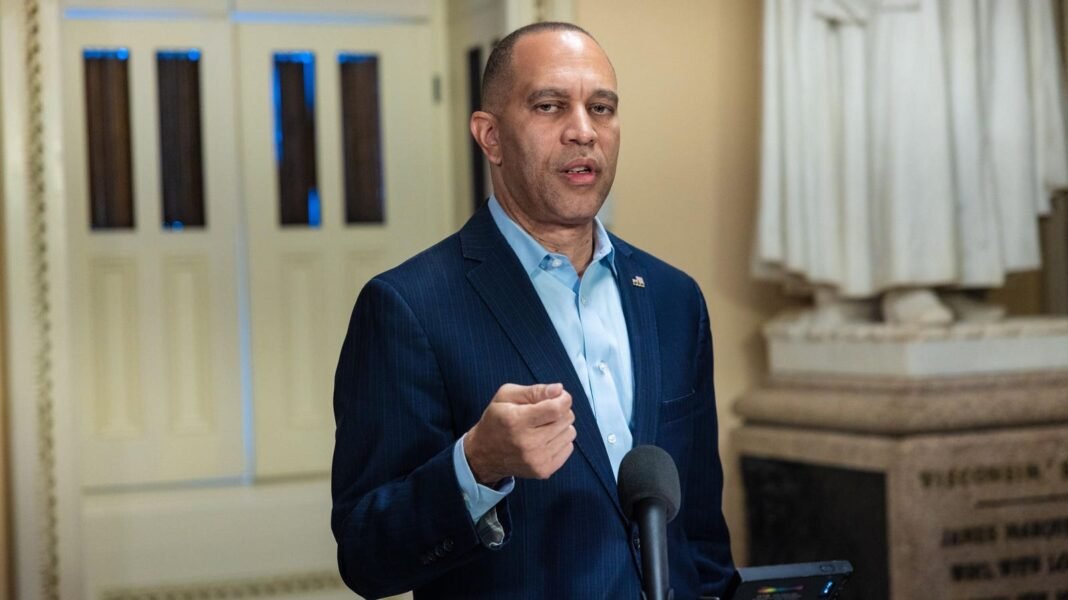
Christopher Moynihan, 34, who had previously been pardoned for his participation in the January 6 Capitol breach, was recently apprehended in Clinton, New York. This arrest came after a coordinated probe by the New York State Police alongside the FBI’s Joint Terrorism Task Force. Authorities acted on allegations that Moynihan issued death threats targeting House Minority Leader Hakeem jeffries just days before Jeffries was scheduled to speak publicly in New York City.
charges and Evidence Against Moynihan
Moynihan is now facing felony charges for making terroristic threats, which could result in a prison sentence of up to seven years. Court filings reveal that he sent alarming text messages explicitly referencing Jeffries’ upcoming address at the Economic Club of New York. one message reportedly read: “hakeem Jeffries makes a speech soon in NYC-I cannot allow this terrorist to live.” Another stated: “Even if I am despised, he must be eliminated… I will kill him for what lies ahead.” These communications were brought to law enforcement’s attention by an anonymous informant concerned about Moynihan’s potential substance abuse issues and violent mindset.
Moynihan’s involvement During the January 6 Capitol Attack
Before this recent incident, Christopher Moynihan was among hundreds who forcefully entered the U.S. Capitol on January 6, 2021. Shortly after President Donald Trump began his second term, Moynihan received one of manny presidential pardons granted to individuals involved in that day’s events. Official records show that during the riot he accessed restricted zones including the Senate chamber where he rifled through lawmakers’ notebooks and took photographs with his phone while expressing intentions to uncover damaging details against elected officials.
Inside the chamber itself, Moynihan actively participated by standing atop the Senate dais alongside other rioters while chanting slogans and using a bullhorn for prayers or declarations. He was later convicted on charges related to obstructing official government proceedings and sentenced in August 2022 to nearly two years imprisonment along with supervised release terms and fines.
The Rising Threat Landscape Facing Public Officials
This case underscores persistent security challenges confronting elected representatives amid escalating political polarization across America. Recent statistics from federal agencies indicate that threats directed at members of Congress have surged over 40% as early 2023 compared with previous years-highlighting increased dangers linked with today’s divisive political surroundings.
The proliferation of digital platforms has amplified opportunities for issuing violent threats anonymously; experts emphasize how crucial anonymous tips remain as preventative tools allowing authorities to intervene before rhetoric escalates into actual violence or domestic terrorism acts.
A Parallel Incident Illustrating Heightened Security Risks
an analogous situation occurred earlier this year when another prominent legislator received credible death threats connected directly to their planned public engagements-resulting in tightened security protocols nationwide at similar events.Such cases illustrate how targeted intimidation attempts can disrupt democratic functions but also demonstrate how vigilant monitoring efforts are vital for protecting leaders’ safety amid turbulent times.