FBI Epstein Files: Challenges in Openness and Persistent Disputes
Legal Boundaries Shaping FBI’s Disclosure of Epstein Documents
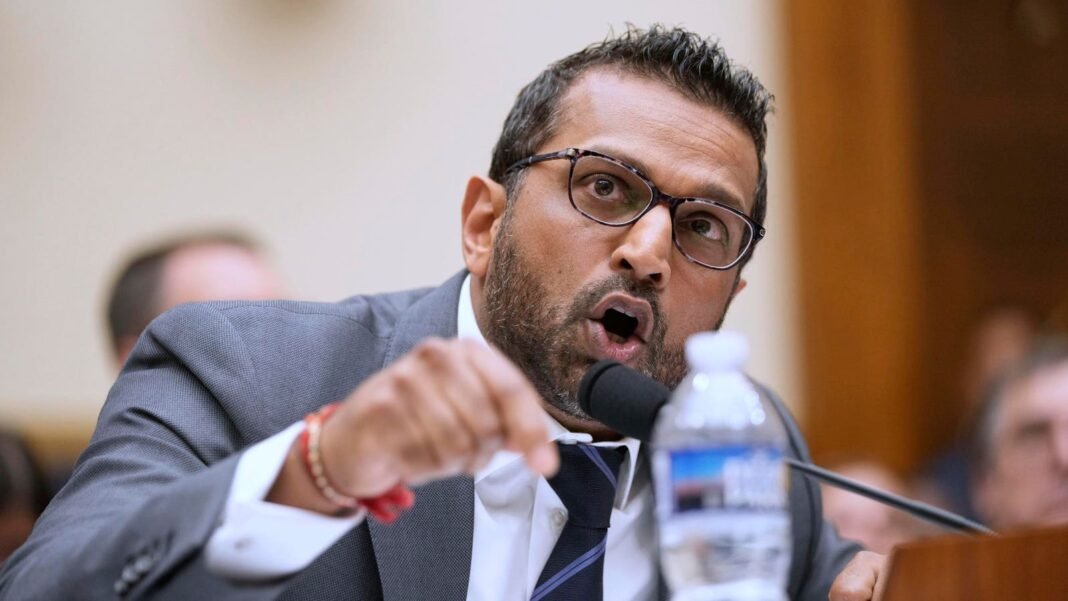
The FBI, under Director Kash Patel, has repeatedly informed congressional panels that a important portion of files related to Jeffrey Epstein remains inaccessible due to judicial restrictions. Patel maintains that court orders bar the agency from releasing many documents, a position met with skepticism by Democrats and other critics who contend the FBI’s limitations are overstated.
Judicial Restrictions and Their Impact on Public Access
In testimonies before both House and Senate Judiciary Committees,Patel stressed that all materials permissible under current legal constraints have been shared regarding Epstein’s case. The primary focus lies on several court rulings denying government petitions to unseal grand jury records containing evidence against Epstein and Ghislaine Maxwell.
Yet these grand jury transcripts represent only a small segment of the vast collection held by federal authorities. A judge involved in rejecting unsealing requests noted these files are “a mere fraction” compared to the full scope of government-held records on Epstein. Importantly, this judge emphasized ther is no legal prohibition preventing broader disclosure initiated by the government itself.
A Judicial Perspective on Disclosure Limitations
“The Department of Justice’s emphasis on grand jury transcripts distracts from the extensive data it possesses,” remarked Judge Richard Berman when denying efforts to open those specific records. He described them as “only a sliver” relative to what could be publicly revealed about Epstein’s activities, underscoring that fuller transparency would better serve public interest.
The Extent and Nature of Sealed Evidence
Patel has indicated additional sealed materials may include search warrant affidavits used during investigations into Epstein’s properties before his controversial 2007 non-prosecution deal. However, lawmakers such as Rep. Dan goldman have challenged this assertion by highlighting instances where previously sealed documents were later disclosed during Maxwell’s trial proceedings.Goldman questioned why remaining sealed files have not been formally requested for release if genuine transparency is intended.
Democratic members have also sought access to victim interviews and recovered video footage from Epstein’s residences-files reportedly controlled by the FBI but not explicitly restricted through court orders according to Patel’s statements.
The Ongoing Transfer of Documents Amid Congressional Oversight
The Department of Justice (DOJ) alongside the FBI continues delivering relevant files concerning allegations tied to jeffrey Epstein’s sex trafficking network in response to subpoenas issued by congressional committees overseeing oversight functions. While some documents have been released with redactions protecting victims’ identities,updates from Patel about forthcoming disclosures remain inconsistent-alternating between affirming ongoing cooperation and asserting all releasable content has already been provided.
The Hidden Volume: What Remains Unseen?
an estimated 100,000 pages connected with investigations into Jeffrey Epstein remain secured within federal custody; their precise contents largely unknown publicly. investigative journalists speculate this archive likely includes civil litigation filings brought forth by survivors against law enforcement agencies; digital evidence extracted from seized devices; detailed investigative reports linked with Maxwell’s prosecution; surveillance recordings obtained at various properties; inquiries surrounding circumstances related to Epstein’s death; plus financial transaction logs tracing his complex monetary dealings across multiple entities.
Critics within Congress argue much material handed over so far duplicates information already available through prior releases or media coverage rather than offering new insights-intensifying calls for comprehensive transparency beyond just grand jury transcripts which primarily capture law enforcement testimony without direct victim narratives.
Implications for other Individuals Named Within Files
Kash Patel has delivered mixed statements regarding whether FBI documents implicate associates or influential figures connected with Jeffrey Epstein beyond those formally charged like Ghislaine Maxwell:
- During Senate hearings he claimed reviewing substantial portions yet found “no credible evidence” directly linking others involved in trafficking;
- He acknowledged intelligence gaps but refrained from excluding possible involvement;
- Lately when questioned about witness accounts naming roughly twenty men allegedly trafficked women via connections with Epstein-including prominent personalities-Patel admitted unfamiliarity while dismissing such reports as lacking credibility;
- The director affirmed only individuals charged based upon solid proof would be officially identified through disclosures.
A Controversial Figure Under Intense Scrutiny
Kash Patel faces growing criticism over his handling of sensitive material tied to one of America’s most notorious criminal cases involving decades-long sex trafficking allegations:
- This backlash intensified after DOJ memos declared no further document releases would occur under previous management policies despite earlier commitments;
- Befittingly contentious even before assuming office due partly to partisan affiliations and vocal support for former President Trump;
- Tensions escalated amid attempts fueling conspiracy theories such as an alleged “client list” linked with high-profile elites-a claim officially denied yet widely debated within public discourse;