US Intercepts Venezuelan Oil Tanker, Intensifying Regional Strains
Overview of the Interception Operation
The United States recently executed a high-profile interception of a sizable oil tanker near Venezuela’s coast, marking a notable intensification in its enforcement of sanctions. This event stands out as the first US military seizure of a foreign vessel carrying sanctioned oil in several years.
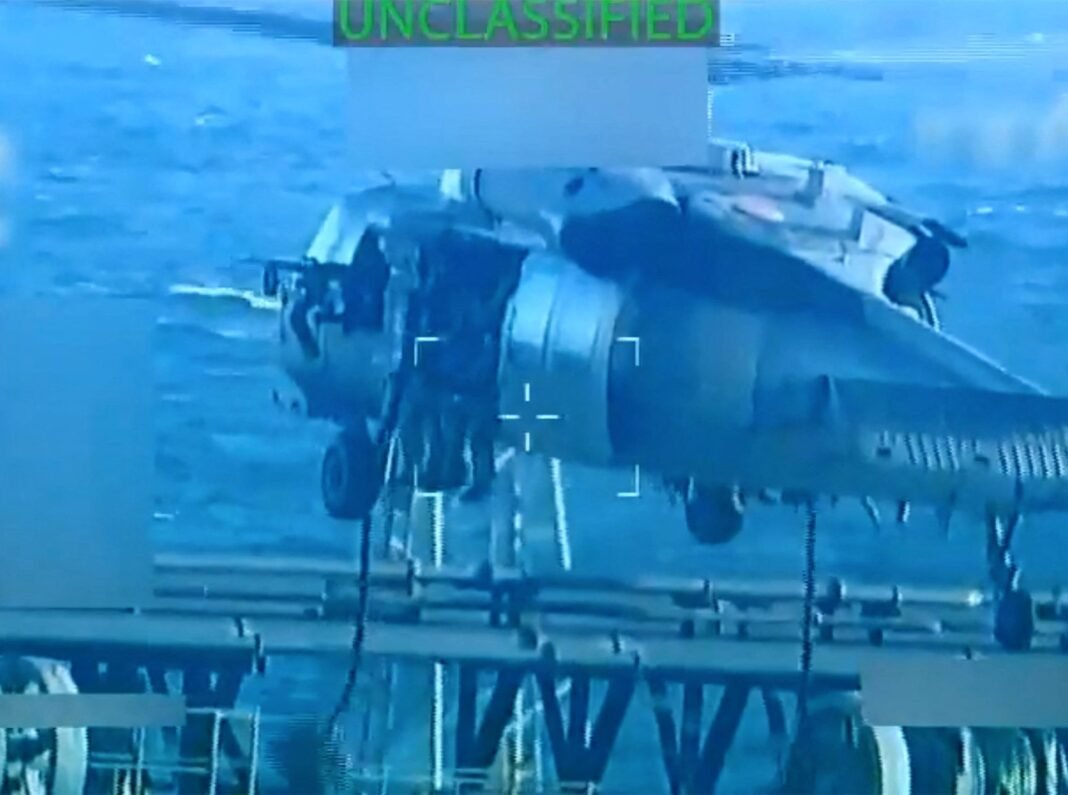
Authorities identified the targeted ship as an unregistered or “stateless” vessel anchored within Venezuelan maritime boundaries before being boarded. Footage released by US officials showed helicopters deploying armed personnel onto the tanker’s deck during the operation.
The US Attorney General confirmed that multiple agencies-including the FBI, Homeland Security Investigations, and Coast Guard-collaborated with military units to carry out this seizure.The tanker was allegedly transporting oil linked to illicit networks supporting designated terrorist organizations.
Details About the Vessel and Its Cargo
Maritime intelligence sources have named the seized ship skipper, an ultra-large crude carrier approximately 333 meters long and 60 meters wide. The Skipper was blacklisted in 2022 for facilitating shipments connected to Hezbollah and Iran’s Quds Force.
This vessel had recently loaded roughly 1.8 million barrels of heavy Merey crude from Venezuela’s Jose terminal before transferring about 200,000 barrels near Curacao to another tanker destined for Cuba. past tracking data also reveals that Skipper has previously transported Venezuelan crude to Asian markets over recent years.
Legal Context and Location of seizure
The interception occurred within Caribbean Sea waters close to Venezuela’s territorial limits; though, exact coordinates remain undisclosed by US authorities. After boarding, tracking data indicates that Skipper stayed within Caribbean maritime zones.
The legality surrounding this action is contested due to limited public details on operational specifics.according to international maritime law-particularly UNCLOS-a vessel must have valid registration under a national flag; otherwise it may be considered stateless and subject to inspection on international waters by other nations’ authorities.
This legal principle forms part of Washington’s justification: Guyana declared that Skipper falsely flew its flag without proper registration rights, enabling US forces to claim authority for boarding under “right of visit.” Critics argue such unilateral enforcement risks breaching sovereignty norms when applied extraterritorially against non-US entities engaged in lawful commerce elsewhere.
US Maritime Enforcement authority Explained
- The United States Coast Guard possesses statutory powers allowing searches and seizures on international waters aimed at preventing violations against American laws-including sanctions enforcement-under Title 14 USC §522.
- This framework has been employed previously during confiscations of Iranian fuel shipments bound for Venezuela but rarely involves outright seizure of entire vessels beyond national jurisdiction zones.
- Some analysts warn expanding these operations could set controversial precedents impacting global shipping freedoms amid geopolitical rivalries involving russia’s extensive fleet operating despite sanctions worldwide.
Venezuela Denounces Seizure as Piracy Violating Sovereignty
The Venezuelan government strongly condemned this intervention as tantamount to piracy and theft under international law. Their Foreign Ministry asserted that underlying motives focus on controlling Venezuela’s natural resources rather than addressing migration or drug trafficking concerns frequently enough cited by Washington.
A formal statement emphasized their intention to seek recourse through all relevant global institutions while pledging unwavering defense over national dignity and sovereign rights concerning energy assets belonging exclusively to their people.

Impact on Venezuelan Oil Exports Amid Sanctions Pressure
This unprecedented seizure injects short-term uncertainty into Venezuela’s already fragile oil export sector. While some shipping companies may hesitate following this presentation of force, broader effects remain moderated because certain exceptions persist-as an example Chevron continues authorized operations extracting Venezuelan crude under special waivers despite overarching sanctions imposed sence mid-decade.
Chevron reported increasing exports last month up to nearly 150,000 barrels per day (bpd), reflecting ongoing commercial activity largely unaffected directly by recent interdictions.
Navigating Economic Risks Within Venezuela
Carlos Eduardo Pina,a political analyst focused on Latin American affairs,warns internal economic instability could deepen if financial panic spreads domestically due partly from fears triggered by aggressive measures targeting vital revenue streams like petroleum exports.
Tensions Escalate Between Washington And Caracas Diplomatically
- This move appears strategically timed alongside major political developments involving opposition figures recognized internationally-sending an assertive message both regionally across Latin America and globally regarding continued US presence.
- MADURO’S management maintains these actions are part of broader efforts aimed at regime change rather than genuine anti-narcotics campaigns.
- An escalation pattern includes deployment of naval assets such as aircraft carriers into regional waters alongside covert CIA activities authorized against Maduro-aligned targets.
- If further seizures target additional tankers carrying sanctioned cargoes from Venezuela-the situation could evolve toward what experts describe effectively as a blockade severely constraining Caracas’ economic lifelines dependent on hydrocarbon revenues.
A Wider Strategic framework Behind The Operation
“This operation fits into broader pressure tactics designed either to fracture internal cohesion within Maduro’s government or compel his departure,” explained retired Marine Corps Colonel Mark Cancian specializing in Latin America security studies.
“Combined with recent military deployments including bomber flyovers & F/A-18 jets plus intelligence operations authorized via CIA channels-it signals heightened resolve.”