Strengthening Qatar-US Relations Amidst Gulf Region Unrest
During a series of high-level meetings in Washington, DC, Qatari officials engaged with senior American leaders to reinforce their strategic partnership amid growing instability in the Gulf area.
Diplomatic Initiatives Enhancing Doha-Washington Cooperation
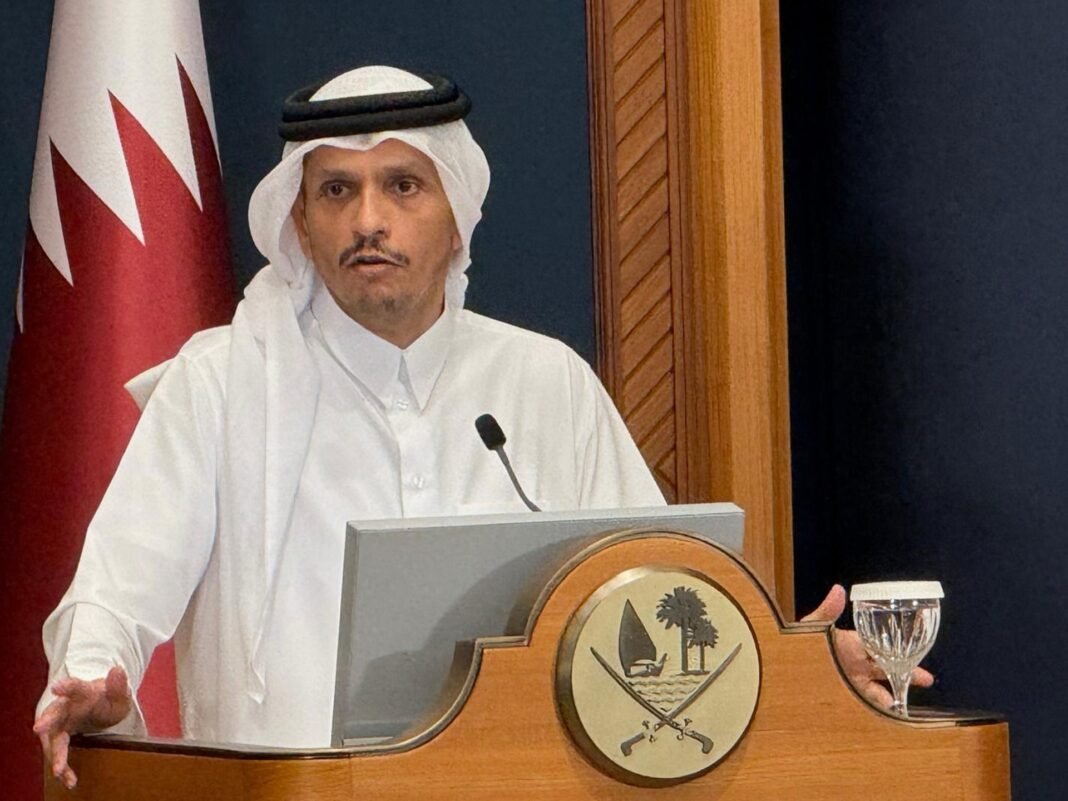
Sheikh Mohammed bin Abdulrahman bin Jassim Al Thani, Qatar’s Prime Minister and Foreign Minister, held discussions with US Vice President JD Vance and Secretary Scott bessent focused on deepening bilateral ties. The conversations prioritized expanding defense collaboration to address the increasingly volatile security environment across the Middle East.
The Qatari Ministry of Foreign Affairs emphasized both nations’ dedication to maintaining steady energy supply chains, especially ensuring uninterrupted liquefied natural gas (LNG) exports from Qatar. This effort is vital for global energy stability during a time marked by notable disruptions.
Expanding Defense Cooperation Amid Heightened Regional Threats
A key meeting between Sheikh Mohammed and US Secretary of Defense Pete Hegseth centered on broadening defense and security partnerships as regional tensions escalate. Both parties agreed to sustain close coordination aimed at reinforcing peace initiatives locally and internationally.
The Ripple Effects of Conflict on Gulf Security and Energy Markets
The Gulf region has witnessed increased turmoil since late February following intensified clashes involving US-Israeli forces and Iran. These confrontations have led to over 3,000 casualties spanning countries such as Iran, Lebanon, Iraq, Jordan, Israel, and several Gulf states.
Iranian missile attacks have targeted critical infrastructure including Qatar’s Ras Laffan Industrial City-its main LNG production facility-inflicting substantial damage that threatens global natural gas supplies. concurrently, Tehran’s efforts to disrupt maritime navigation through the Strait of Hormuz-a crucial passageway responsible for nearly 20% of worldwide oil shipments-have further aggravated an already fragile international energy landscape.
Collective Regional Measures Against Iranian Hostilities
- Protecting Civilians: Gulf countries have jointly called on Iran to halt assaults endangering civilian populations across neighboring territories.
- Diplomatic Reproach: the Qatari Cabinet reaffirmed its strong condemnation of Iranian military strikes targeting its own land as well as adjacent nations’ sovereignty.
- Sustaining Energy Exports: Doha and Washington reiterated their mutual duty in preserving continuous LNG deliveries essential for stabilizing global markets amid ongoing disruptions.
A Renewed Pledge Toward Global Energy Security
the United States commended Qatar’s proactive engagement in promoting regional stability while protecting critical energy resources needed worldwide. Vice President Vance described this alliance as “resilient,” underscoring its importance not only for Middle Eastern peace but also for securing dependable international energy access during uncertain times.
“Qatar’s steadfast involvement plays a crucial role in fostering peace within a complex geopolitical environment while guaranteeing consistent energy supplies reach markets globally,” remarked Vance during recent discussions.
A Modern Parallel: Balancing Superpower Interests Like finland During Cold war Pressures
This evolving partnership reflects ancient examples where smaller states skillfully navigated great power rivalries-for instance finland’s diplomatic balancing act throughout Cold War tensions helped preserve national sovereignty without alienating either bloc. Similarly today, Qatar leverages its strategic position by collaborating closely with major powers such as the United States amid shifting dynamics shaping global security frameworks.