Restoring Power to Ukraine’s Zaporizhzhia Nuclear Plant Amid Conflict
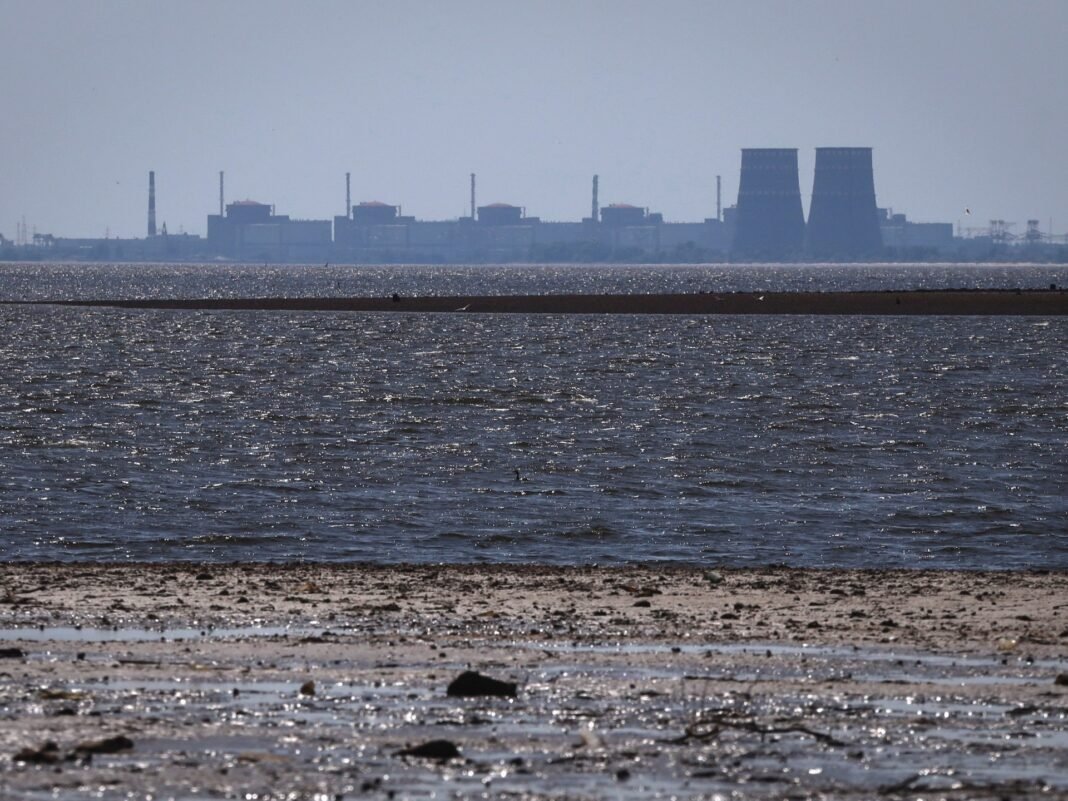
Following a blackout lasting over a month, teams have initiated repairs on the damaged external power lines that supply electricity to Ukraine’s Zaporizhzhia nuclear facility. This update comes from the United Nations’ nuclear oversight institution.
safe Zones Established to Facilitate Urgent Repairs
the repair work commenced after Ukrainian and Russian forces agreed to localized ceasefire zones, allowing technicians secure access to critical infrastructure. Rafael Grossi, head of the International Atomic Energy Agency (IAEA), confirmed this progress through official channels.
Maintaining a stable off-site power connection is crucial for nuclear safety and averting potential disasters. Despite ongoing hostilities, both sides have cooperated with the IAEA in executing a carefully coordinated repair plan.
The Vital Role of Zaporizhzhia During Wartime
As Europe’s largest nuclear power station, Zaporizhzhia has been under Russian control as early 2022 amid Moscow’s invasion. Although its six reactors remain inactive, continuous electricity is essential for running cooling systems that prevent overheating of reactor cores and spent fuel pools.
Since September 23rd-when its last external power line was severed during attacks attributed by each side to the other-the plant has depended solely on diesel generators. This stopgap measure carries significant risks; any failure could cause a complete blackout leading to fuel melting and radioactive leaks.
A Stepwise Plan for Power Restoration
- Initial Phase: Implementing a 1.5-kilometer ceasefire zone around the Dniprovska 750-kilovolt line located in territory controlled by Russia to enable repairs safely.
- Secondary Phase: Establishing another ceasefire area within Ukrainian-controlled regions focused on fixing the Ferosplavna-1 330-kilovolt backup line.
This phased approach aims at systematically restoring reliable external electricity while minimizing risks amid ongoing military tensions in the region.
Diplomatic Efforts Driving Cooperation
The IAEA Director General engaged in high-level talks last month with key figures including Ukraine’s Foreign Minister Andrii Sybiha at an international security forum in Warsaw, followed by meetings with President Vladimir Putin and Rosatom’s Director General Alexei Likhachev in Moscow. These discussions were pivotal in securing commitments from both parties supporting repair operations.
The plant’s management under Russian-appointed officials acknowledged that close collaboration between Rosatom and IAEA experts has been essential for enabling maintainance activities. Additionally, Russia’s Defence Ministry committed resources toward ensuring safety during these repairs.
Tensions Over Control and Future Intentions
Kiev accuses Moscow of deliberately cutting off external power lines as part of efforts to integrate Zaporizhzhia into Russia’s national grid system. Meanwhile, Russian authorities deny intentions to restart reactors under current conditions but emphasize their role as caretakers of the facility during conflict.
Nuclear Safety Challenges Within an Active War Zone
This crisis underscores unprecedented difficulties faced by nuclear plants operating amidst armed conflict zones worldwide. the reliance on diesel generators for more than four weeks highlights vulnerabilities experts warn could escalate into environmental disasters if not swiftly resolved.
“A failure of backup electrical systems may trigger severe nuclear accidents involving widespread radiation release,” cautioned international nuclear safety officials involved in monitoring global facilities affected by conflict-related disruptions.”
A global Issue With Local Consequences
The situation at Zaporizhzhia serves as a powerful reminder that protecting critical infrastructure during warfare demands robust international cooperation alongside strict adherence to humanitarian norms. The ongoing restoration efforts illustrate how diplomacy can carve out narrow opportunities for vital technical interventions even amid hostilities.
This case also reflects broader trends: recent reports from global atomic regulatory bodies indicate that incidents linked directly or indirectly with armed conflicts now constitute an increasing proportion of operational risks facing civilian nuclear plants worldwide – underscoring urgent calls for enhanced protective frameworks tailored specifically toward such scenarios.