



Examining the Career and Controversies Surrounding ICE Officer Jonathan Ross
Professional Journey and Specialized Roles
Jonathan Ross, identified by multiple media outlets as the Immigration and customs Enforcement (ICE) officer involved in the fatal shooting of 37-year-old Renee Good in Minneapolis, has an extensive background in federal law enforcement. Court testimony from a Minnesota federal trial reveals that Ross is a seasoned deportation officer within ICE’s Enforcement and Removal Operations (ERO) unit. He is also a member of ICE’s Special Response Team, which functions similarly to a SWAT team, with duties including firearms instruction and leading collaborative operations involving agencies such as the FBI.
Ross began his career serving in the military as a machine gunner with the Indiana National Guard during deployments to Iraq between 2004 and 2005. After completing his college education, he entered Border Patrol service near El Paso, Texas in 2007. His responsibilities there spanned frontline border surveillance to intelligence gathering focused on dismantling human trafficking rings and cartel networks.
Evolving Responsibilities Within ICE Enforcement
By 2015, Ross transitioned into ICE’s ERO division where his focus shifted toward apprehending high-priority targets within Minnesota’s Twin cities area. His role expanded beyond routine deportations; he became integral to multi-agency anti-terrorism task forces that included partners from the FBI, IRS, and ATF. As an operational leader during these missions, Ross was responsible for developing detailed target profiles through surveillance efforts followed by carefully coordinated arrest plans.
Apart from fieldwork, Ross serves as an active shooter instructor and firearms trainer while maintaining membership on St. Paul’s Special Response Team-a tactical unit designed for complex high-risk interventions.
The Incident Involving Roberto Carlos Muñoz-Guatemala
An incident earlier this year involving Roberto Carlos Muñoz-Guatemala came under scrutiny during December 2025 court proceedings. Muñoz-Guatemala was wanted under an administrative warrant for unauthorized presence in the United States. As his residence was located directly opposite a school-limiting agents’ ability to enter without consent-Ross opted for unmarked vehicle surveillance rather than direct entry attempts.
During trial testimony given by Ross himself: dressed in ranger green with badge visible but driving an unmarked car, he approached Muñoz-Guatemala’s vehicle requesting him to lower his window and open his door. When compliance did not occur promptly,Ross broke out the rear driver-side window before reaching inside; at this moment Muñoz-Guatemala accelerated away while dragging Ross alongside at speeds estimated over 40 miles per hour.
This perilous encounter left Ross seriously injured requiring thirty-three stitches after being pulled along beside the moving vehicle. Despite deploying his Taser against Muñoz-Guatemala during this event,the device failed to instantly halt him.
The Legal Consequences Faced by Muñoz-Guatemala
Soon after fleeing,the man contacted emergency services claiming assault by immigration officers which led to his subsequent arrest.He was recently convicted of assaulting a federal officer using a dangerous weapon related directly to this episode.
The Minneapolis Shooting: A Fatal Confrontation
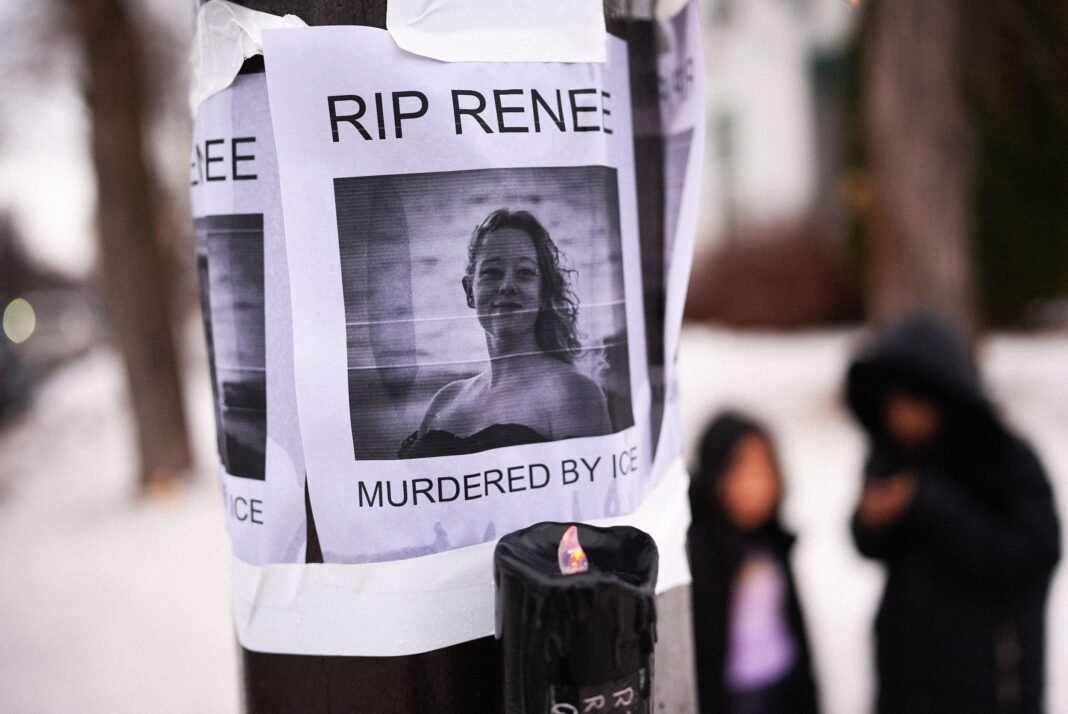
Jonathan Ross is also linked with another widely publicized case-the deadly shooting of Renee Good amid an immigration enforcement operation earlier this year in minneapolis.Video footage reviewed extensively shows shots fired into Good’s car as she attempted escape at close range.The video suggests she appeared steering cautiously possibly trying not to strike any officers rather than deliberately ramming them.
Official Reactions Following The Incident
DHS Secretary Kirsti noem described Good’s actions as intentional “domestic terrorism,” while Vice President JD Vance referenced Officer Ross’ prior trauma when addressing questions about these events during White House briefings: “That very ICE officer nearly lost his life six months ago when dragged behind a car,” Vance remarked regarding injuries requiring extensive medical care.“You can understand why he’d be particularly sensitive about someone ramming him.”
A Department of Homeland Security spokesperson stressed that despite public pressure following media disclosures revealing Officer Ross’ identity-which DHS opposes due to safety concerns-the agent acted according to established training protocols amid ongoing threats faced daily by immigration officials nationwide.Partly due to doxxing risks targeting law enforcement personnel involved in controversial cases,this stance underscores challenges faced internally within DHS today.
Courtroom Debates Over Testimony Reliability
A critical issue raised during cross-examination concerned whether or not Muñoz-guatemala requested legal counsel before fleeing-a claim introduced solely during trial testimony without prior mention anywhere else including government statements or affidavits supporting it.This inconsistency led defense attorneys-and even some prosecutors-to question its validity,suggesting it might have been fabricated mid-trial either strategically or inadvertently influencing perceptions regarding awareness between parties prior confrontation occurred under lawful circumstances rather than mistaken identity scenarios like masked attackers targeting civilians indiscriminately.
- “I believe he invented it on stand,” a defense lawyer argued forcefully noting no previous record mentioned such request;
- A prosecutor acknowledged potential grounds for impeaching credibility based upon absence elsewhere;
- “Suspects frequently enough act confused intentionally,” Officer Ross explained suggesting suspects sometimes feign ignorance hoping delay tactics buy time until accomplices arrive;
- “Rapid communication networks among protesters are common once alerted.”
Navigating modern Challenges Facing Federal immigration Agents
This case exemplifies broader tensions surrounding immigration enforcement across metropolitan areas where agents must balance mission objectives against community safety concerns amid intense scrutiny amplified through social media platforms instantly broadcasting incidents worldwide.Federal officers like Jonathan Ross face constant hazards-not only physical dangers inherent within their roles but also reputational attacks stemming from leaks exposing personal information online aimed at intimidation or retaliation.The evolving surroundings demands continuous adaptation both tactically via specialized training programs addressing active shooter scenarios plus intelligence gathering increasingly focused on domestic extremist threats intersecting with immigration-related activities nationwide today more than ever before according recent Department statistics showing confrontations between law enforcement officials & armed individuals resisting detention procedures have surged approximately 15% annually over last three years compared against previous decade averages.


