



examining the Recent US Airstrikes on Iran’s Nuclear Infrastructure
Key Targets and Operational Approach
The United States executed a targeted airstrike campaign against three pivotal Iranian nuclear sites: the Fordow uranium enrichment facility, Natanz nuclear complex, and the Isfahan nuclear technology center. These sites are integral to Iran’s ongoing nuclear advancement efforts. Post-strike satellite imagery reveals surface-level destruction, though the extent of damage deep underground remains uncertain.
Fordow Facility: Challenges of Striking Deep Underground Installations
The Fordow site, located nearly 260 feet beneath the earth’s surface, was the primary focus of this operation. The US employed twelve GBU-57 Massive Ordnance Penetrators-each weighing approximately 30,000 pounds-in a mission codenamed “Midnight Hammer.” These bunker-buster bombs are designed to penetrate up to 200 feet before detonation.
Given their penetration limits relative to Fordow’s depth, these weapons likely did not reach all subterranean levels directly. Though, military experts suggest that shockwaves generated by repeated strikes near critical points can inflict significant structural damage through seismic effects without full physical penetration.
the Tactical Value of Targeting Ventilation Shafts
Ventilation shafts provide more accessible entry points into underground facilities compared to heavily fortified main entrances. Disrupting these shafts can compromise airflow and internal support structures, potentially causing cascading failures within deep bunkers without requiring bombs to breach every layer physically.
Analyzing Satellite Evidence: Surface Impact vs Subsurface Damage
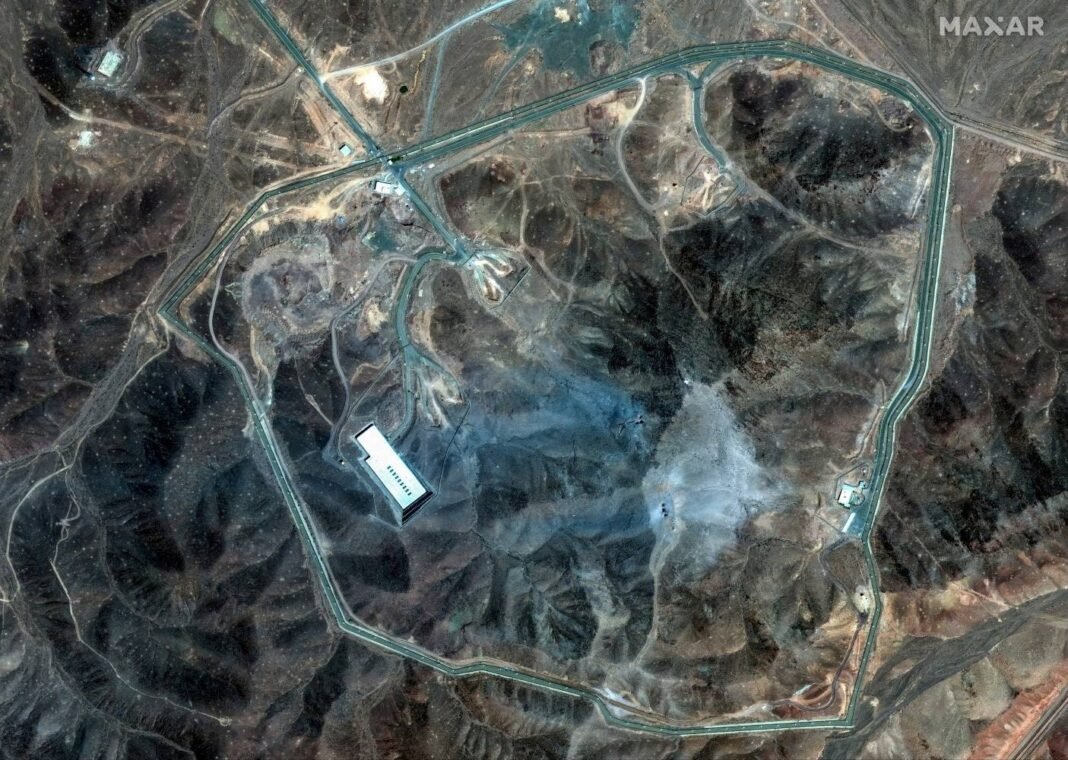
Before-and-after satellite images show six distinct craters clustered in two groups at Fordow’s surface were each bomb struck. This pattern indicates a deliberate strategy aimed at concentrating explosive force in specific areas rather than scattering impacts broadly.
“The objective is less about complete penetration and more about generating sufficient shockwave energy close enough to collapse or severely impair vital infrastructure,” explain defense analysts experienced with subterranean targeting methods.
Nonetheless, satellites cannot fully reveal damage hundreds of feet below ground; thus assessments rely on combining visible evidence with intelligence models predicting underground blast effects.
Structures Left Intact Indicate Strategic targeting Choices
an elongated white building adjacent to fordow remains undamaged in post-strike imagery-likely housing essential support systems such as power supply or environmental controls for the facility. This suggests that planners prioritized long-term destruction over temporary disruption by avoiding collateral damage that could be quickly repaired or replaced.
iran’s Nuclear Program Resilience Amidst Escalating Pressure
The existence of Fordow was publicly acknowledged by Iranian officials only in 2009 after years of secrecy surrounding its operations. The site reportedly enriches uranium up to around 60 percent purity-a level from which weapons-grade enrichment (approximately 90 percent) can be rapidly achieved if pursued aggressively.
This recent US strike complements earlier Israeli cyber operations targeting Iran’s financial networks as part of broader efforts against Tehran’s nuclear ambitions. Israel lacks munitions capable of reaching deeply buried targets like fordow; therefore American deployment filled this strategic gap using specialized bunker-busters able to threaten subterranean facilities directly.
Tactical Achievements versus Strategic Realities
- Tactical Success: The precision bombing demonstrated advanced capability in striking hardened underground targets once considered nearly impervious to conventional air attacks.
- Strategic constraints: Despite damaging key infrastructure such as at Fordow, Iran maintains other operational sites along with stockpiles of enriched uranium elsewhere-meaning its overall program continues functioning for now despite setbacks.
Iranian Defensive Measures Following Airstrikes
Soon after reports emerged regarding impending strikes,satellite data showed increased vehicular activity around targeted complexes-including dump trucks possibly used for reinforcing tunnel entrances or sealing vulnerable access points against future attacks. Such preparations indicate readiness for prolonged conflict scenarios involving aerial bombardment or sabotage attempts aimed at slowing enrichment progress further.
“While some infrastructure has been damaged,” note nonproliferation experts,
“Iran continues manufacturing centrifuge components essential for expanding its nuclear capabilities.”
The Path Forward: Evaluating long-Term Implications on Nuclear Ambitions
This latest series of airstrikes marks an escalation intended both as a deterrent message and an effort toward degrading sensitive elements within Iran’s nuclear framework. However,the program has been impaired but far from eliminated , given remaining operational capacity across multiple locations plus potential concealment tactics employed beforehand by Iranian forces.
The unfolding situation highlights how modern conflicts increasingly blend kinetic strikes with cyber warfare and intelligence operations-all aiming at disrupting adversaries’ strategic programs while avoiding full-scale war.
As global powers continue monitoring developments amid diplomatic tensions over nonproliferation agreements,a multifaceted approach beyond isolated military actions will be crucial moving forward .


