Rivian’s R2 Electric SUV: A Crucial Move Toward Market Viability and Profit Growth
Unveiling the R2: Rivian’s compact Electric SUV Entry
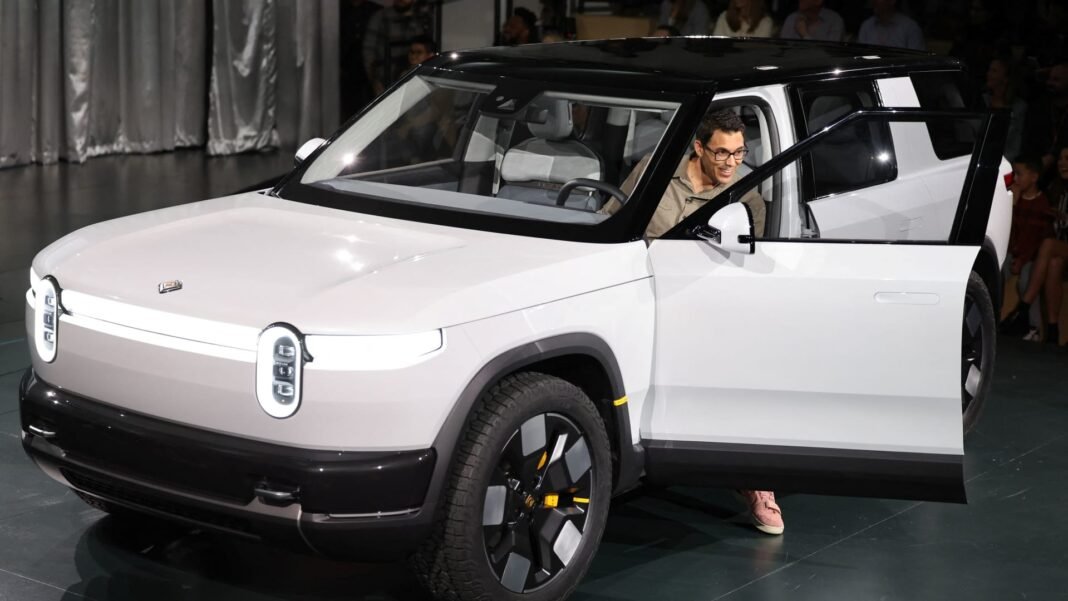
This spring, Rivian is launching its eagerly awaited R2 electric SUV, beginning with a special edition priced around $58,000. The debut model will showcase a high-performance dual-motor setup delivering an impressive 656 horsepower and 609 lb-ft of torque. It promises an estimated driving range of up to 330 miles and can sprint from zero to 60 mph in just 3.6 seconds.
Why the R2 Matters for Rivian’s Strategic Future
The introduction of the R2 marks a pivotal moment for Rivian as it strives to overcome recent financial hurdles and tepid sales seen in its larger models-the original R1 SUV, pickup truck, and electric delivery van. Although it visually resembles a scaled-down version of the original R1 SUV, this new vehicle features redesigned software frameworks, updated electrical systems, and refined components aimed at boosting efficiency while enhancing profitability.
CEO RJ Scaringe has highlighted that the R2 will be key in expanding production capacity and improving operating leverage across their product lineup. Additionally, Rivian plans to roll out advanced hands-free driving capabilities branded as “Autonomy+,” positioning itself as a strong contender against Tesla’s autonomous technology offerings.
Navigating Market Headwinds Amid Changing EV Incentives
The timing of the R2 launch coincides with shifting federal regulations affecting electric vehicle incentives-most notably reductions or expirations of tax credits like the $7,500 rebate previously available under programs such as the Inflation Reduction Act (IRA). These policy changes have created uncertainty around consumer demand during what industry experts describe as a slower-than-anticipated nationwide EV adoption phase.
Analysts point out that these regulatory shifts combined with rising tariff-related manufacturing costs pose challenges for volume forecasts. Still,Rivian remains confident that ramping up production at its Normal facility in Illinois along with an upcoming georgia plant capable of producing up to 400,000 vehicles annually will underpin long-term growth objectives.
A Staggered Rollout Plan Through Late 2027
- Spring 2026: launch Package Performance Edition priced near $57,990 featuring AWD dual motors delivering peak power (656 hp), torque (609 lb-ft), plus an estimated range reaching approximately 330 miles.
- Late 2026: Premium AWD variant starting at about $53,990 offering reduced output (~450 hp) but maintaining similar range figures close to 330 miles.
- First half of 2027: Standard rear-wheel-drive model beginning around $48,490 producing roughly 350 horsepower with torque near 355 lb-ft; expected driving range extends up to approximately 345 miles.
- Late 2027: Entry-level Standard trim projected near $45,000 featuring over quarter-century mile range; detailed specs remain forthcoming but aim for affordability without compromising essential performance metrics.
The Competitive Arena: How Does Rivian’s R2 Compare?
The new compact EV directly competes against popular rivals like Tesla’s Model Y-the world’s top-selling electric vehicle-which starts closer to $40,000 while already integrating numerous advanced driver-assistance features that Rivian aims to match or surpass through Autonomy+. In terms of dimensions and performance benchmarks such as acceleration times and mileage per charge cycle,the two models are closely aligned though pricing varies significantly between base trims.
“Launching our smaller yet powerful EV underscores our dedication not only toward innovation but also accessibility,” stated Scaringe during investor discussions. “Rivian strives to deliver adventure-inspired design paired with cutting-edge technology accessible to more customers.”
A Financial Outlook During This Transformative Phase
The company projects adjusted pretax losses ranging from roughly $1.8 billion up to over $2 billion throughout fiscal year 2026 alongside capital expenditures exceeding previous years-reflecting investments into scaling manufacturing capacity plus refining next-generation electrical platforms foundational for vehicles like the R2.
Despite short-term financial pressures linked largely to transitioning product lines and market uncertainties,rivian remains optimistic about achieving profitability milestones beyond this initial stage.
Financial analysts recognize strong long-term potential but advise caution regarding immediate sales volumes due partly to ongoing supply chain adjustments coupled with evolving U.S consumer preferences.
Diverse Industry Insights on Demand Outlooks
- Morgan Stanley expresses cautious optimism tempered by technical risks tied to deploying third-generation electrical architectures embedded within new models such as the R2;
- Banks including Barclays voice concerns primarily related to policy-driven incentive reductions alongside broader macroeconomic factors slowing overall EV adoption;
A Parallel Example: Ford Mustang Mach-E’s Gradual Production Scale-Up
An instructive comparison can be drawn from Ford’s Mustang Mach-E rollout-a midsize electric crossover launched amid fluctuating market conditions yet steadily gaining momentum through continuous battery improvements & software updates while expanding global production facilities.
Similarly,Rivian targets not only technological innovation but also operational scalability crucial for competing effectively against established automakers aggressively pivoting toward electrification worldwide.
The Path Forward: Investor Focus on Long-Term Potential
securities markets have reacted positively ahead of full details surrounding this critical launch-with some firms upgrading ratings based on deep analysis into emerging demand trends favoring newer affordable EVs aimed at mainstream buyers rather than niche luxury segments alone.
Scaringe described upcoming years as transformative periods where foundational efforts laid today should lead toward notable growth inflection points moving forward.