



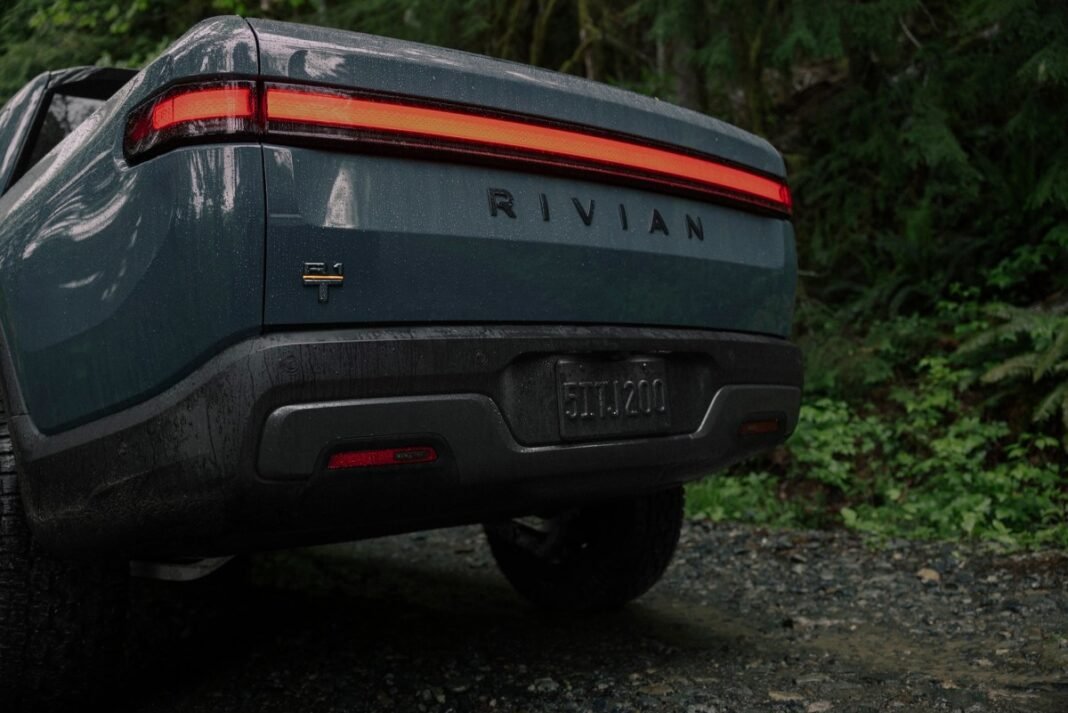
Rivian Takes on Ohio’s Restriction against Direct Electric Vehicle Sales
Rivian has launched a legal challenge in Ohio, aiming to secure the right to sell its electric vehicles directly to consumers within the state. This dispute highlights the ongoing tension between new American EV manufacturers and entrenched dealership networks that control vehicle sales regulations.
Ohio’s Legal Barriers to Direct EV Sales
The company filed a federal lawsuit against ohio’s Bureau of Motor Vehicles registrar, asserting that state laws prohibiting direct-to-consumer sales limit competition and consumer choice. While Rivian currently enjoys direct sales privileges in 25 states plus Washington,D.C., Ohio remains off-limits under these restrictions.
Due to these rules, prospective buyers in Ohio must purchase Rivian vehicles from out-of-state locations where direct sales are allowed; afterward, the cars are transported back into Ohio for delivery and servicing. Rivian argues this cumbersome process inflates costs and inconveniences customers without offering any clear benefits.
Tesla’s Exclusive Exemption as a Legal Benchmark
A key point in Rivian’s case is Tesla’s unique status: since 2013, Tesla has been permitted to sell directly in Ohio thru a special exemption. Though, legislation passed in 2014-widely attributed to lobbying efforts by the powerful Ohio Automobile Dealers Association (OADA)-effectively blocks other EV makers from obtaining similar licenses. This law grants Tesla an exclusive advantage while barring competitors like Rivian from entering via direct sales.
The Consumer Impact of Restricting direct Sales
“Ohio’s prohibition on Rivian’s direct-sales-only approach is counterproductive: it suppresses competition, narrows consumer options, drives up prices, and creates unnecessary complications-all without delivering any compensating benefits,” states Rivian’s complaint.
This restriction contradicts essential economic principles that favor open markets and consumer empowerment. Enabling companies such as Rivian to sell directly could stimulate innovation while lowering prices by eliminating intermediaries who traditionally add markups on vehicle costs.
Nationwide Challenges with Dealership Laws Affecting EV Makers
- Illinois Breakthrough: In 2021, both Lucid Motors and Rivian overcame legal opposition from dealer associations to secure dealership licenses allowing them direct-sales capabilities within illinois.
- Lawsuit Battles in Texas: Lucid Motors challenged Texas’ ban on manufacturer-direct car sales with litigation initiated in 2022; although they lost at trial level, an appeal was underway as of early 2024 seeking reversal of this decision.
The persistence of such disputes reveals how deeply rooted dealership lobbies remain across many states despite surging demand for electric vehicles sold through innovative channels nationwide.
The Wider Consequences for Electric Vehicle Growth
The inability for pioneering EV brands like Rivian to access certain markets via streamlined direct-sales models slows adoption rates during a period when U.S. electric vehicle registrations have soared over 60% year-over-year through Q1 2024 according to recent industry reports. Simplifying purchasing processes can accelerate consumers’ shift away from fossil fuel-powered cars toward cleaner alternatives-a vital step toward achieving national climate targets aiming for half of all new car purchases being electric by 2030.
A Push Toward Updating Auto Sales Regulations Nationwide
“Consumer choice must be prioritized,” emphasized Mike Callahan, Chief Administrative Officer at Rivian. “Ohio’s outdated restrictions create unconstitutional barriers that harm residents by limiting options while driving up costs.”
If courts rule favorably for rivian-granting it parity with Tesla’s exemption-and if other states follow this exmaple, it could transform how Americans purchase vehicles across the country as more automakers adopt innovative business models aligned with advancing technology trends.


