The Revival of Mariupol’s Theater: A Story of Conflict, Memory, and Controversy
the Donetsk Academic Regional Drama Theatre in Mariupol, once a beacon of cultural life, was tragically destroyed during an airstrike on march 16, 2022. At the time, hundreds of civilians had taken shelter inside the building amid escalating hostilities. This attack stands as one of the deadliest events in Mariupol’s recent history.
Unraveling the Tragedy: casualties and Accountability
Estimates regarding casualties from this bombing vary dramatically-from a minimum of 15 to nearly 600 lives lost-highlighting the chaos surrounding the incident. International legal experts widely classify this assault as a war crime. Eyewitness testimonies and investigative reports strongly implicate russian forces in deliberately targeting the theatre; however, Moscow denies responsibility and instead accuses Ukrainian troops.
A City’s Cultural Heartbeat Shattered
The theatre was not only an architectural landmark but also a vital cultural hub for decades. Originally rebuilt after World War II damage, it symbolized resilience before its recent devastation. The loss extends beyond bricks and mortar-it represents shattered community spirit and countless personal tragedies tied to displacement and grief.

Reconstruction Amid Political Tensions
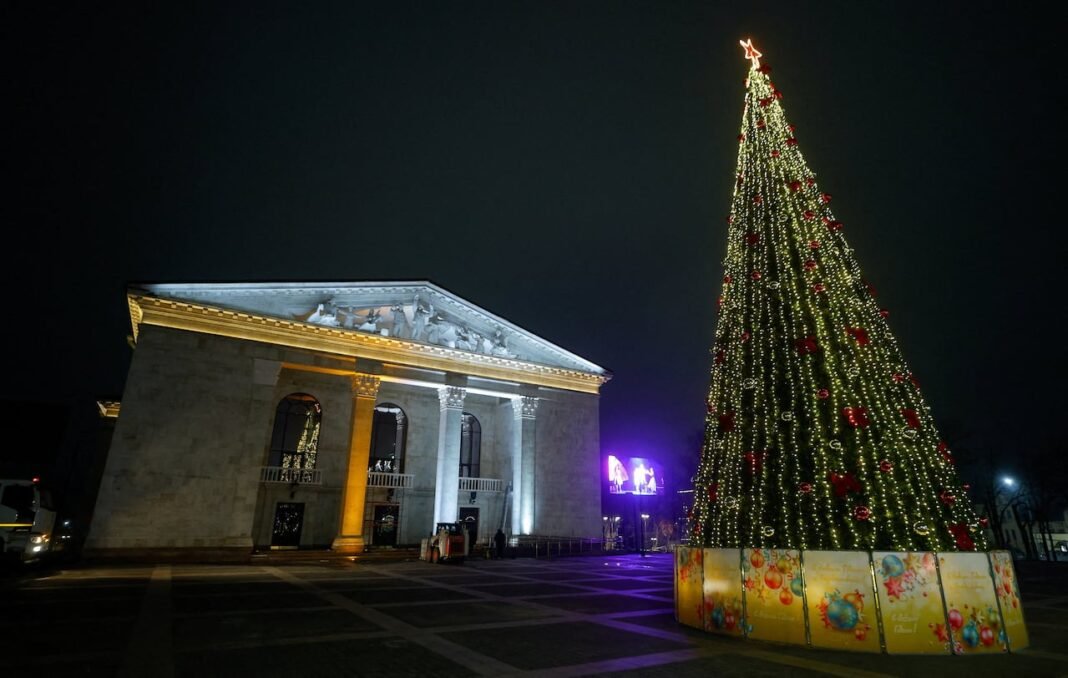
Almost four years post-destruction, authorities installed by occupying forces have declared plans to reopen the venue on december 25 under a new name: Mariupol Republican Order of the badge of Honor Russian Drama Theatre. Officials assert that while modern upgrades have been integrated inside,efforts where made to preserve its historic exterior. the refurbished space is expected to seat approximately 500 attendees when performances resume early next year.
This rebuilding initiative forms part of broader efforts by these authorities to portray Mariupol as “reborn” under their control-a narrative contested fiercely by many Ukrainians who view such moves as attempts at cultural appropriation amid ongoing conflict over this strategic port city in eastern Ukraine.
Divided Perspectives on reopening Ceremonies
The announcement has ignited sharp divisions among locals and displaced residents alike.Ihor kytrysh-a former actor who performed there since 2000 before fleeing westward just prior to the bombing-condemns reopening celebrations as “performing on bones.” He advocates transforming what remains into a solemn memorial honoring those lost rather than staging theatrical events within walls stained by tragedy.
Similarly, serhii Kesarev-a witness who saw bodies left uncollected near ruins-strongly opposes festivities at this site now: “Celebrating here would be deeply inappropriate.” His family escaped weeks after enduring harrowing conditions near their home; they currently live in Kyiv.
Cultural Resilience Beyond Physical Borders
Despite destruction at home, displaced artists like Kytrysh continue preserving Mariupol Drama, a theatrical production recounting survivor stories from that fateful day alongside themes reflecting displacement trauma experienced globally today by refugees numbering over 110 million worldwide according to mid-2024 UNHCR data. Their touring troupe brings these narratives across western Ukraine and internationally-sustaining memory through performance rather than physical restoration alone.

A Historical Lens on Post-War Reconstruction Debates
- Cultural leaders appointed by occupying powers compare their rebuilding efforts with European cities like Berlin or Warsaw that rose from wartime ruins;
- They argue restoring theatres symbolizes renewal despite painful histories embedded within these sites;
- This viewpoint faces skepticism given current geopolitical disputes over sovereignty in Mariupol;
- The clash reflects wider struggles faced globally where cultural landmarks become ideological battlegrounds during prolonged conflicts;
- Mariupol exemplifies how artistic spaces can embody both hope for recovery yet evoke unresolved trauma depending on perspective adopted;
The Human Toll Behind Cultural Restoration Efforts
Beneath official ceremonies lie countless untold stories marked by loss: families uprooted permanently; neighborhoods erased; memories scarred less than three years later amid humanitarian reports documenting more than half a million displaced persons originating from eastern Ukraine alone early in 2024.
“Theatre reopening should honour memory without overshadowing pain,” advocates emphasize amidst ongoing debates about appropriate commemoration methods for sites linked with mass civilian suffering worldwide-including Aleppo’s repeatedly damaged theatres during Syria’s civil war or Yemen’s inaccessible cultural centers due to security concerns despite urgent calls for peace-building arts programs recognized since late-2010s research linking creative expression with trauma healing outcomes among forcibly displaced populations globally.”
Navigating Memory Through Art Versus Monuments: An Ongoing Dialog
The question persists whether reviving theatrical performances within historically charged locations truly pays homage or risks trivializing profound suffering through spectacle amid continuing global conflicts affecting millions annually-from aleppo’s fragile stages undergoing restoration after repeated bombings during Syria’s civil war-to Yemen where insecurity limits access even as international organizations promote arts-based healing initiatives proven effective for refugee mental health recovery worldwide today.