
Soaring Baby Formula Prices Deepen Hardship for Canadian Families
Across Canada, the expense of baby formula has escalated sharply, climbing nearly 85% since 2017. This dramatic increase has placed manny parents in precarious positions, with some turning to social media communities for urgent help.Experts reveal that baby formula is now among the most commonly stolen grocery items nationwide, underscoring a widespread crisis affecting vulnerable households.
Financial Strain on Parents: Navigating Between Necessities and Rising Costs
In Thunder Bay, Ontario, Cassandra Shedden-a mother of three-shares her struggle with the skyrocketing price of infant formula. She describes the current cost as “shockingly expensive,” especially since her six-month-old daughter Charlotte depends solely on formula due to medical reasons.
Cassandra recounts how breastfeeding was attempted but ultimately not viable for her youngest children. The cheapest formulas available still cost between $90 and $120 weekly-an amount that barely covers three days’ supply.
“I often feel overwhelmed and defeated when I have to scramble just to find extra money so my kids can eat.”
To manage these expenses, she frequently delays bill payments or supplements government aid by taking on delivery jobs. Her experience reflects a broader reality were families must sacrifice other essentials just to ensure their children are fed.
The Role of Online Communities: A Vital support Network
The financial pressure is palpable within online parent groups where urgent appeals for baby formula are common until government assistance arrives. A Facebook group administrator from thunder Bay recalls receiving desperate messages late at night from mothers seeking small loans or donations to bridge gaps before payday.

“One mom messaged me saying she only had enough formula left for part of the night before her payment came through-I sent an e-transfer instantly.”
The Rise in Formula Theft: A Symptom of Deeper Issues
Lesley Frank, who leads research on food justice and infant nutrition access at Acadia University, has observed a troubling increase in what she terms “formula scavenging” – parents pleading within social networks due to shortages or unaffordable prices.

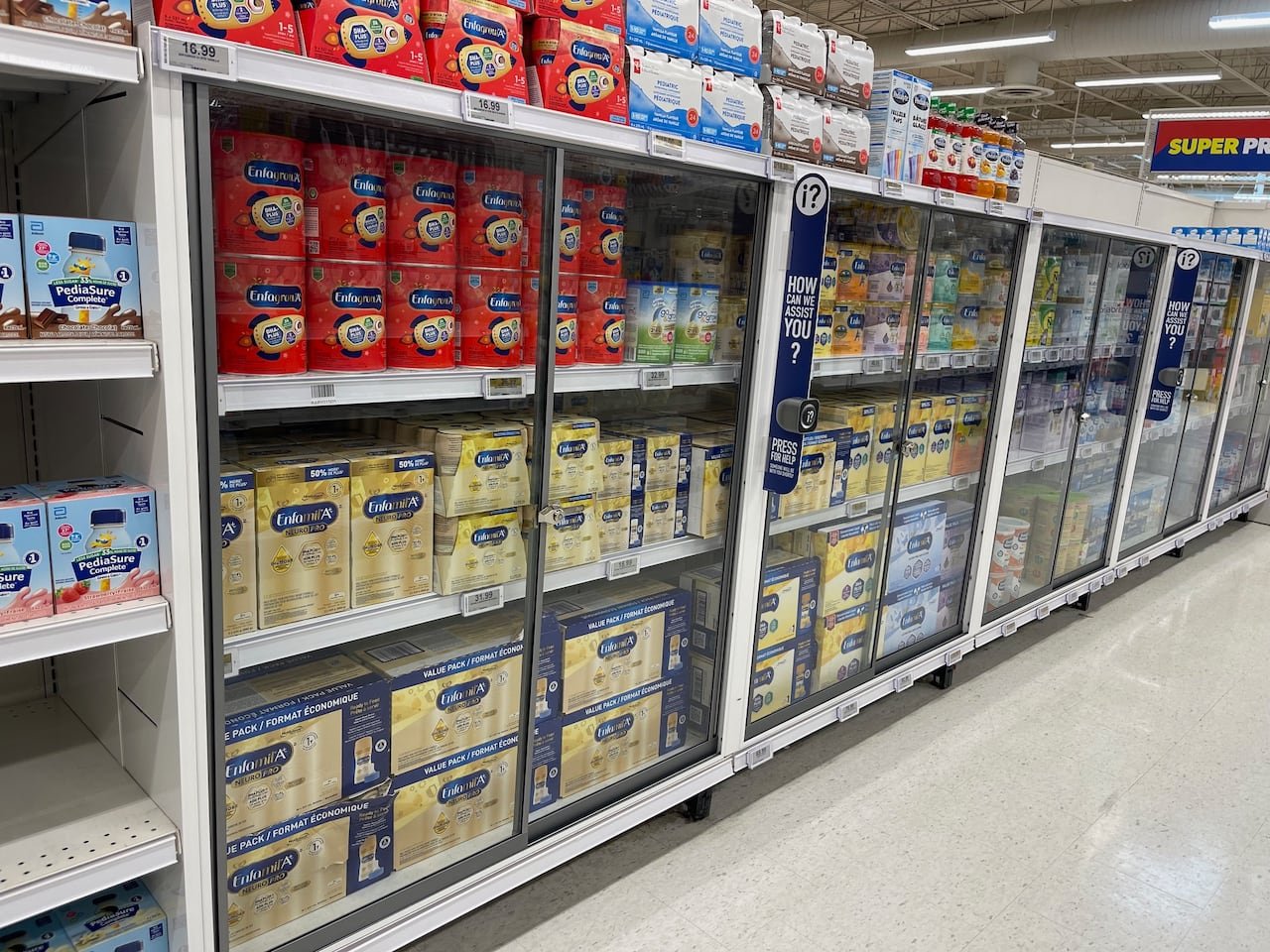
She points out that many retailers lock up baby formulas because they rank among Canada’s top stolen grocery products-a clear indication that systemic challenges are pushing families toward desperate measures.
“The fact that opened cans are being resold shows how far people will go-they risk safety just so their babies don’t go hungry.”
Toward Lasting Solutions: Policy changes and domestic Production Imperatives
The Canadian market relies heavily on a handful of large U.S.-based corporations controlling most baby formula supply. This limited competition drives prices upward without incentives for affordability or diversification in sourcing options.
Frank recommends expanding federal child benefits alongside guaranteed nutritional support programs aimed specifically at breastfeeding mothers and young children under four years old as immediate relief steps. Though, she emphasizes long-term stability requires strengthening domestic manufacturing:
- Establish dedicated Canadian production facilities focused exclusively on infant nutrition products;
- Pursue nationalization strategies ensuring steady supply chains insulated from international disruptions such as product recalls or shipping delays;
- Create policies fostering competitive pricing by encouraging multiple suppliers operating within Canada;
- increase funding toward accessible nutritional assistance programs targeting low-income families burdened by inflation rates exceeding 7%, according to recent economic reports (2024).
The Real Impact Behind Numbers: Families Grappling With Daily Challenges
This crisis transcends statistics-it deeply affects everyday lives throughout communities like Thunder Bay where parents juggle tight budgets amid soaring costs post-pandemic inflation waves combined with ongoing global supply chain disruptions impacting availability even for specialized foods like infant formulas.
;)