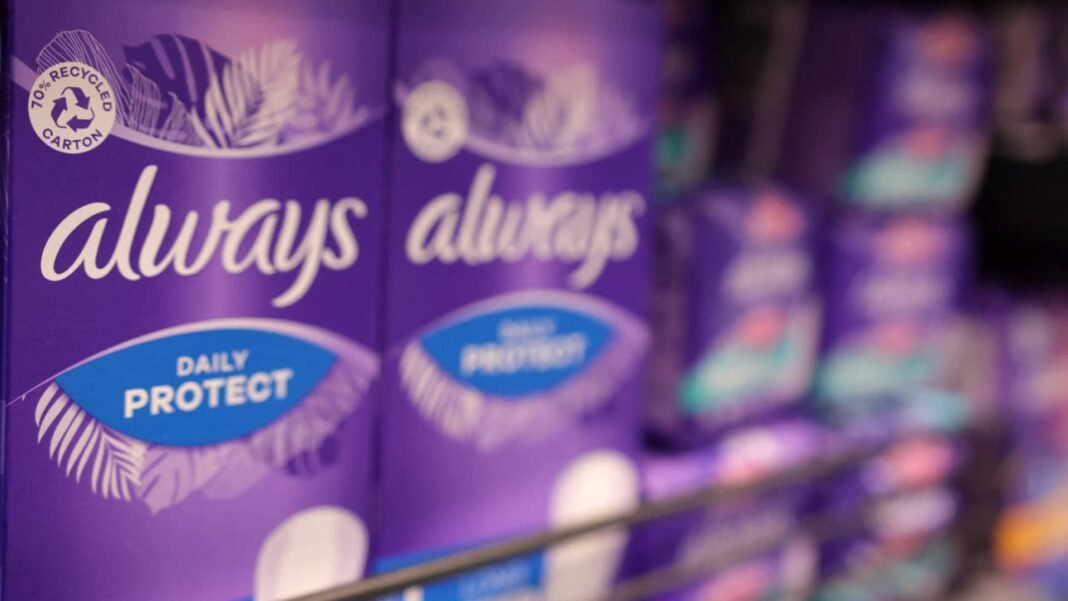
How Inflation is Driving Up the Cost of Menstrual Products
Over the past few years, rising inflation combined with shifting tariff policies has caused a noticeable increase in prices across many consumer goods, placing additional financial pressure on households. Among these, menstrual products often receive less attention despite thier essential nature.
Since 2020, prices for key menstrual supplies like tampons and sanitary pads have climbed by nearly 40%, rising from about $5.37 to $7.43 per pack according to recent market analyses from early 2024.In parallel, total dollar sales for these items have grown by close to 30% during this period.
The Complex Reality: Higher Prices but Fewer Purchases
Interestingly, even as consumers spend more on menstrual products the quantity purchased has declined by approximately 6% through 2022 based on NielsenIQ data. This suggests that while individual item costs are up, shoppers are buying fewer units annually.
This trend mirrors broader patterns seen in consumer packaged goods (CPG), where inflationary pressures have pushed average unit prices higher; year-to-date figures indicate a 2.7% rise in dollar volume for CPGs generally. The Consumer Price Index (CPI) reported an annual inflation rate near 2.4% as of February 2024.
Personal care items have experienced particularly sharp price increases-over a 22% jump since January 2020-highlighting how vital products like menstrual supplies are becoming less affordable for many families nationwide.
The Financial Strain Behind Everyday Essentials
“Many consumers now face arduous decisions between buying food or medicine versus other necessary items,” notes an expert analyzing consumer spending habits. “This reality forces some individuals to seek cheaper alternatives or even skip purchasing certain essentials altogether.”
This tension is reflected in the widening gap between soaring costs and declining purchase volumes of period products-a clear indication that affordability challenges may be driving people toward lower-cost substitutes or reduced usage overall.
The Role of Tariffs and Taxes in Inflating Costs
The surge in prices isn’t solely due to general inflation; tariffs levied on imported raw materials significantly contribute as well. U.S. goverment data shows tariffs collected on cotton-containing menstrual goods increased sharply-from $42 million in 2020 up to $115 million by late last year.
The bulk of these imports originate from countries such as canada, China, and Mexico-all subject to varying tariff rates under recent trade agreements implemented over recent years.
- tariff consequences: Added customs fees directly raise retail prices paid at checkout counters nationwide.
- “Pink tax” impact: several states continue imposing sales taxes up to seven percent specifically targeting period products unless medically exempted-further inflating expenses for buyers living in places like Tennessee and Mississippi.
A Consumer’s Viewpoint: The Growing Burden of Menstrual Costs
Sara thompson*,a thirty-two-year-old resident of chicago,* shares how rising expenses affect her monthly budget: her usual pack containing around twenty tampons now costs nearly $28-a significant increase within just one year’s time frame.
“It sometiems feels like paying a subscription fee just because I’m female,” Sara reflects.“The cost can add up close to fifty dollars every couple months-and not everyone can easily absorb that financial hit.”
Sara mostly chooses store-brand options at local drugstores but remains surprised by sticker shock despite opting for lower-priced alternatives she considers necessities rather than luxuries she could postpone purchasing entirely.
Industry Challenges Amid Inflation and Trade Pressures
- Larger manufacturers’ hurdles: Procter & gamble recently announced price hikes affecting roughly one-quarter of its personal care product range due partly to estimated annual tariff expenses exceeding one billion dollars across various domestic and international product lines.
- Kotex producer Kimberly-Clark: Reported absorbing approximately $300 million related specifically to tariffs-with over half attributed directly to Chinese imports.
- A “triple threat” effect: Experts cite simultaneous increases in raw material costs (such as pulp and plastic), energy/supply chain inflation spikes plus cross-border trade tensions collectively pushing price pressures upward.
- Evolving market landscape: Some companies are divesting feminine care segments amid shrinking profit margins; meanwhile smaller startups focusing on organic or niche offerings gain popularity among consumers willing or able pay premium prices.
Sustainable Period Solutions Gain traction Amid Rising Expenses
An increasing number of users-including Sara herself-are turning toward reusable menstrual options such as specially designed underwear intended for multiple uses instead of disposable single-use pads or tampons commonly found at retail outlets nationwide.
- A shift toward sustainability: Brands offering silicone cups or discs made from durable materials estimate nearly one-fifth of U.S consumers have tried reusables-with younger generations leading adoption largely motivated by cost savings rather than environmental concerns alone.
- A typical reusable cup priced around thirty-five dollars can last up ten years potentially saving users upwards of two thousand dollars compared with disposable counterparts over time.
- Loyalty under pressure:Kotex’s CEO acknowledged strong brand loyalty but recognizes changing consumer preferences could disrupt decades-long usage patterns if affordability continues driving customers away.
- Younger demographics prioritize cost savings above sustainability when selecting reusable options.
- Tampon safety discussions fuel interest too:Citing emerging research raising questions about trace toxic metals-even though regulators find no immediate health risks-the conversation encourages some users toward perceived safer alternatives.
- This momentum benefits newer brands expanding their presence within reusable markets.
- Main insight from industry leaders:
"If affordability issues aren’t tackled head-on," says Saalt’s CEO Cherie Hoeger," economic hardships will continue disproportionately impacting women who depend heavily upon these essential health products."
rnrn