Slovenia’s Parliamentary Election ends in Stalemate, Triggering Political Uncertainty
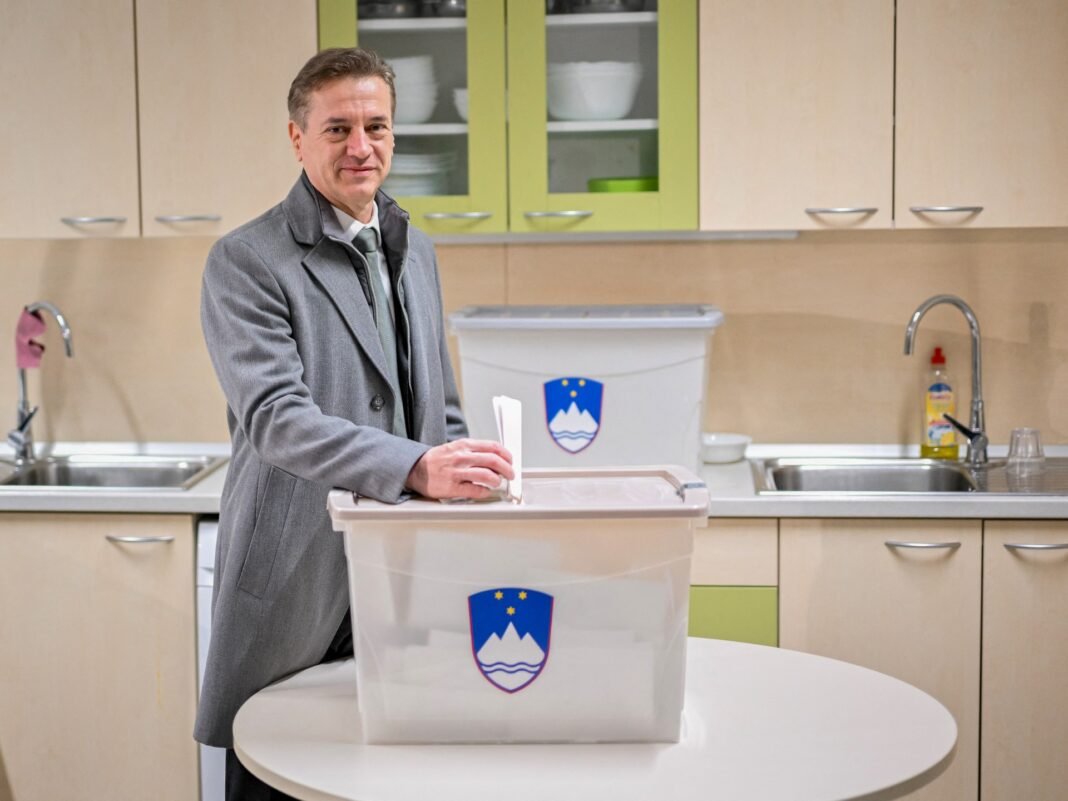
The recent parliamentary vote in Slovenia concluded with an almost deadlocked result, as no party secured a definitive majority within the 90-seat National Assembly. This impasse signals a period of intricate coalition negotiations and heightened political unpredictability for this European Union member nation.
A Nation Divided: Election outcomes Reveal deep Political Split
With nearly all ballots counted-about 99 percent-the center-left Freedom Movement led by Prime Minister Robert Golob garnered 28.5% of the popular vote. Trailing closely behind, the right-wing Slovenian democratic Party (SDS), under former Prime Minister Janez Janša, achieved 28.1%. The razor-thin difference highlights how polarized Slovenian voters remain between these two main political camps.
The Influence of Minor Parties in Government Formation
Sence neither dominant party reached an outright majority, smaller parties now hold meaningful leverage as potential coalition partners. Their decisions will be pivotal in shaping Slovenia’s governance and policy direction over the next legislative term, though alliance possibilities remain fluid at this stage.
Reactions from Key Figures Amidst Political Ambiguity
Following election day, Robert Golob expressed cautious optimism about his party’s future role while acknowledging that “complex discussions lie ahead.” Speaking at his headquarters after polls closed, he emphasized public trust and advocated for transparency moving forward “under an open sky.”
In contrast, Janez Janša warned that such a fragmented outcome could lead to instability. Having served three terms as prime minister-including from 2020 to 2022-Janša framed the election as “a referendum on whether citizens can regain control over their country,” underscoring concerns about democratic direction.
Civic Participation Urged Amid Growing Democratic Concerns
Before voting commenced, Golob urged Slovenians not to take democracy or national sovereignty lightly anymore and encouraged widespread voter turnout: “Do not allow others to decide on your behalf; make your voice heard.” His appeal reflects mounting worries about external forces potentially influencing domestic politics.
Foreign Interference Allegations Cast Shadow Over Campaigns
The electoral process was marred by controversy when reports emerged alleging that Janša met with representatives from Black Cube-a private Israeli intelligence firm-in December prior to elections. Golob condemned these allegations as unprecedented foreign interference into an EU member state’s democratic process.
A Wider european Challenge: Safeguarding Democracy Against External Threats
This incident is part of broader concerns across Europe regarding election security amid escalating geopolitical tensions worldwide. Recent analyses indicate that nearly one-third of EU nations have experienced disinformation campaigns targeting their elections since 2020.
- Illustration: In Croatia’s parliamentary elections held late last year (2023), social media platforms were inundated with deceptive content traced back to foreign actors attempting to sway voter opinions.
The Path Forward: Complex Coalition Talks Loom large
The fragmented composition of parliament means Slovenia faces several months of delicate negotiations before forming a stable government capable of tackling urgent challenges such as post-pandemic economic recovery and energy transition amid global uncertainties.
“The upcoming government will rely heavily on smaller parties who now wield disproportionate influence,” experts observe-highlighting how proportional representation systems frequently enough produce complex power-sharing arrangements requiring compromise among diverse interests.
This evolving scenario mirrors trends seen throughout many democracies where polarization complicates clear mandates but also fosters more inclusive policymaking if consensus-building succeeds effectively.