South Korea’s Cybersecurity Landscape Amid Accelerated Digital Expansion
Known worldwide for its lightning-fast internet connectivity and widespread broadband penetration, South Korea is a global leader in technological advancement. home to industry giants like Samsung, Hyundai, and LG, the contry’s digital ecosystem thrives on innovation.Tho, this rapid progress has concurrently exposed critical weaknesses in its cybersecurity defenses, making it a prime target for increasingly elegant cyber threats.
Escalating Cyber Threats: A Growing National Concern
In 2025 alone, South Korea witnessed a surge in cyberattacks affecting key sectors such as finance, telecommunications, government institutions, and e-commerce platforms. These incidents compromised sensitive personal information of millions of citizens and disrupted essential services nationwide. The scale of these breaches highlights the urgent need for enhanced protective measures.
The nation’s cybersecurity framework suffers from fragmentation-multiple ministries and agencies operate independently without unified coordination during crises. This lack of a designated lead agency delays response times and hampers effective containment efforts when attacks occur.
Challenges in Coordinated Cyber Defense Efforts
Current strategies predominantly treat cybersecurity as an emergency reaction rather than embedding it into long-term national infrastructure planning. This reactive approach limits proactive threat anticipation and stifles growth programs aimed at strengthening the cybersecurity workforce-a sector already facing significant talent shortages.
The scarcity of skilled professionals creates a vicious cycle: insufficient expertise weakens defense capabilities against evolving threats while discouraging investment in training initiatives necessary to build resilience over time.
A Timeline of Significant Cyber Incidents Throughout 2025
- January: GS Retail revealed that hackers accessed personal data-including names and contact details-of nearly 90,000 customers following an attack spanning late December into early January.
- February: Wemix (the blockchain arm of Wemade) suffered a $6.2 million theft on February 28; investors were notified only days later on March 4.
- April-May:
- The part-time job platform Albamon experienced a breach on April 30 leaking over 20,000 user resumes containing sensitive identifiers such as phone numbers and emails.
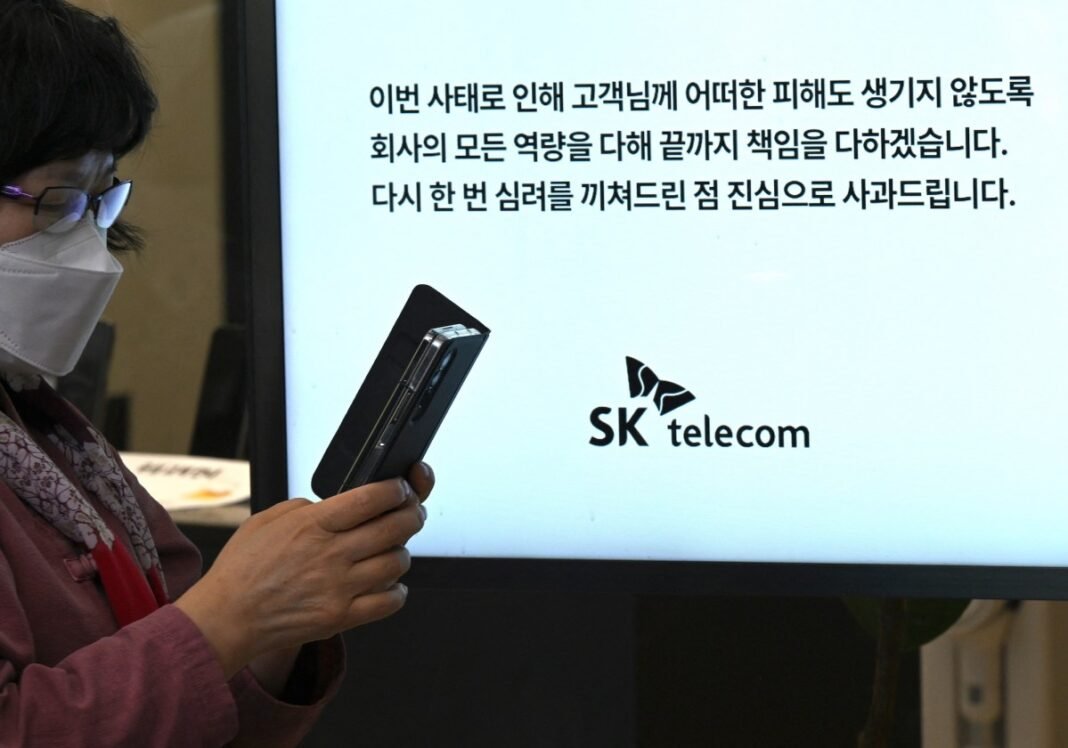
- A massive data breach at SK Telecom affected approximately half the population-around 23 million users-with consequences extending into May as millions had to replace SIM cards due to security concerns.
- June: Yes24 was hit by ransomware starting June 9 that disabled ticketing services for four days before recovery mid-month.
- July:
- The North Korean-affiliated kimsuky group launched AI-powered deepfake spear-phishing campaigns targeting defense organizations along with other institutions across South Korea.
- A ransomware attack disrupted Seoul Guarantee Insurance’s guarantee issuance processes around mid-July causing temporary operational halts impacting numerous clients’ financial transactions.
- August:
- A second ransomware incident struck Yes24 causing brief service interruptions just two months after their initial June attack.
- Lotte Card suffered unauthorized access between late July through August compromising roughly three million customers’ data totaling about 200GB stolen undetected until late August.
- Lending subsidiary welrix F&I under Welcome Financial Group fell victim to Russian-linked ransomware attackers who leaked over one terabyte of internal documents onto dark web forums during this period.
- Kimsuky continued espionage activities disguised as routine diplomatic communications targeting at least nineteen foreign embassies within South Korea since March.
- September:This month saw renewed AI-driven phishing attempts by Kimsuky against military targets while KT Telecom disclosed breaches affecting more than five thousand subscribers via fake base stations intercepting mobile traffic enabling unauthorized micro-payments among other exploits.
Pursuing Integrated National Cybersecurity Governance: Government Initiatives Underway
The spike in cyberattacks triggered action from South Korea’s Presidential Office National Security Council aiming to create cross-ministerial collaboration frameworks designed for swift coordinated responses across government entities. This includes granting authorities legal powers allowing investigations promptly upon suspicion-even without formal corporate reports-to close gaps caused by previous bureaucratic delays or fragmented communication channels during incidents.
This “control tower” model centralizes command but raises concerns regarding potential politicization or excessive concentration of authority without sufficient oversight mechanisms. Experts recommend adopting hybrid governance structures combining centralized strategic direction with independent supervisory bodies ensuring openness while technical execution remains with specialized agencies like KISA (Korea Internet & Security Agency).
Cultivating Long-Term Digital Resilience Through Strategic Investments
Sustained funding toward workforce development is vital; expanding educational programs focused on cybersecurity skills will help break current talent shortages limiting defensive capabilities today. Moreover,integrating security considerations throughout all phases of digital infrastructure design can shift focus from reactive crisis management toward anticipatory risk mitigation aligned with global best practices seen in countries such as Estonia or Singapore-both recognized for embedding robust cyber defenses within national policy frameworks effectively mitigating risks before thay escalate into crises.
Navigating Complexities Ahead: Commitment to Strengthening Defenses
The Ministry of Science & ICT alongside KISA continues reaffirming dedication towards combating increasingly advanced cyber threats through ongoing improvements aimed at protecting businesses alongside public interests alike.“our goal remains minimizing damage caused by evolving cyber risks,” a ministry representative emphasized emphatically.
“Without unified coordination supported by skilled professionals empowered through clear mandates-and balanced oversight-the fight against escalating cyber threats will remain challenging despite technological advancements.”