Global Financial Markets Respond to Rising Middle East Conflicts
Significant Drops in Asia-Pacific Stock Markets
Monday saw a pronounced downturn across major stock exchanges in the asia-pacific region as tensions in the Middle East escalated into their fourth week. Japan’s Nikkei 225 index tumbled nearly 5%, while South Korea’s kospi experienced a sharp decline exceeding 6%, marking one of its most severe drops in recent memory. The Kosdaq index also slipped close to 5%, triggering a temporary halt in trading after futures for the Kospi 200 fell by more than 5%. Australia’s S&P/ASX 200 retreated about 2.4%, adn both Hong Kong’s Hang Seng and China’s CSI 300 opened with losses near 2%.
Heightened Confrontation Between Iran and the United States
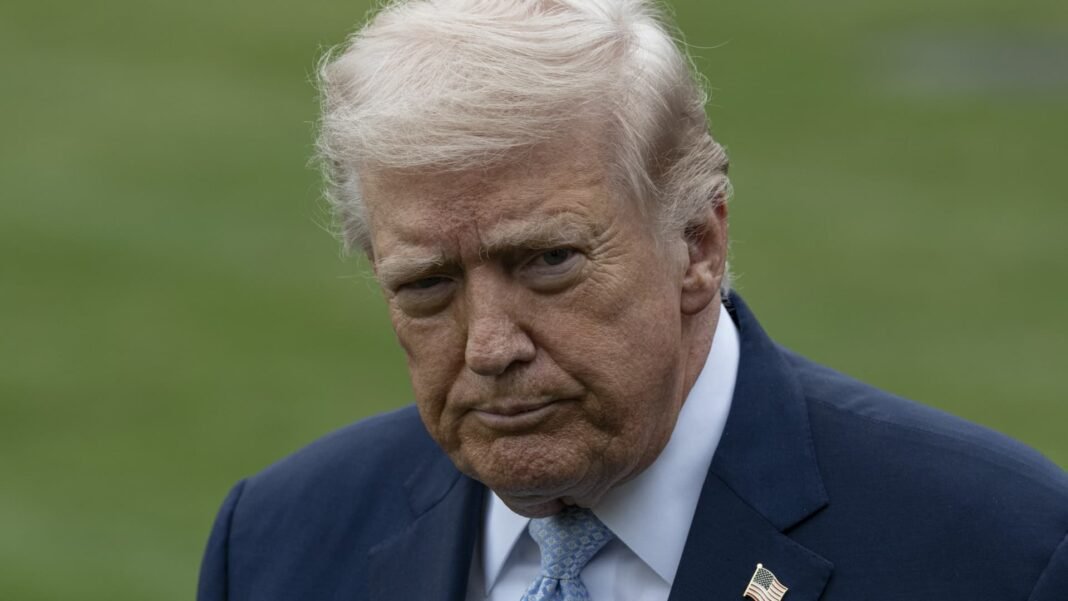
The conflict intensified as both nations issued stern warnings. Former U.S. President Donald Trump threatened military strikes on iranian power plants if Iran failed to fully reopen the Strait of Hormuz-a vital maritime corridor responsible for roughly one-fifth of global oil shipments-within two days. In retaliation, Iranian authorities pledged counterattacks targeting energy infrastructure and desalination facilities throughout the Gulf region.
Mohammad Bagher Ghalibaf, speaker of Iran’s Parliament, declared that any assault on power installations would provoke immediate retaliatory strikes against energy and oil assets across neighboring countries, warning these targets would be “irreversibly destroyed,” potentially driving sustained increases in global oil prices.
In an unprecedented escalation, Ghalibaf also identified holders of U.S. Treasury securities-entities funding America’s military expenditures-as potential targets alongside military bases, signaling an expanded scope for retaliation beyond physical infrastructure.
The Strategic Importance of the Strait of Hormuz
This narrow waterway connecting the Persian Gulf to open seas is critical for global energy security; approximately 21 million barrels per day, or nearly 20%, of worldwide petroleum exports transit through it daily. Any disruption here can quickly reverberate through international markets, causing price volatility and supply anxieties among import-dependent economies.
Turbulence in Oil Prices reflecting Market Nervousness
The crude oil market mirrored geopolitical unease with volatile price swings during Monday evening trading sessions. Brent crude reversed earlier declines to gain about 0.65%, closing near $112.68 per barrel late EST; meanwhile West Texas Intermediate (WTI) rose approximately 0.8%, settling around $99 per barrel.
“We expect flows through Hormuz will remain at roughly five percent capacity over six weeks before gradually recovering over another month,” analysts noted, emphasizing prolonged disruption risks that could push prices higher until stability returns.
Diverging Brent and WTI Prices Signal Heightened Risk Perception
The spread between Brent crude and WTI widened beyond $14 per barrel-the largest gap seen between these benchmarks in several years-highlighting increased regional risk premiums affecting international versus U.S.-based crude valuations differently.
This divergence suggests peak tension within this crisis phase according to market strategists: elevated Brent pricing reflects expectations that conflict-related supply constraints may last longer than initially forecasted, often prompting investors toward safer assets amid uncertainty surrounding extended disruptions impacting global energy supplies.
Cautious Movements across Global Equity Markets Amid Uncertainty
Away from Asia-Pacific markets’ steep declines overnight, U.S stock futures showed restrained activity: Dow Jones Industrial Average remained flat while S&P 500 futures dipped marginally by around 0.1%.Nasdaq composite futures edged down roughly 0.2%.
This subdued sentiment follows last week’s broad selloff where all three major indexes closed lower-the S&P falling more than 1.5%, slipping below its key long-term support marked by its 200-day moving average for the first time since May; Dow endured its first four-week losing streak since early last year; Nasdaq declined about two percent overall during this period as well.
evolving Investor Sentiment Amid Geopolitical Risks
- Sustained geopolitical instability continues undermining investor confidence worldwide;
- Diversification strategies become increasingly vital amid unpredictable commodity price fluctuations;
- Caution dominates due to potential escalation scenarios threatening trade routes essential for economic growth globally;
- An amplified focus emerges on alternative energy sources as customary fossil fuel supply chains face mounting vulnerabilities;
.
Navigating forward: staying Vigilant Amid Ongoing Volatility
The unfolding crisis highlights how deeply intertwined geopolitics are with financial markets today-especially concerning critical commodities like oil whose uninterrupted flow supports much economic activity worldwide.
Investors must remain alert as developments evolve around strategic chokepoints such as the Strait of Hormuz while evaluating impacts across equity indices sensitive to risk-off environments triggered by overseas conflicts.
Grasping these complex dynamics is essential for setting realistic expectations amidst ongoing volatility shaping investment decisions now and into upcoming months ahead.