Global Financial Markets Respond to intensifying middle East Crisis
Significant Downturns in Asia-Pacific Equity Markets
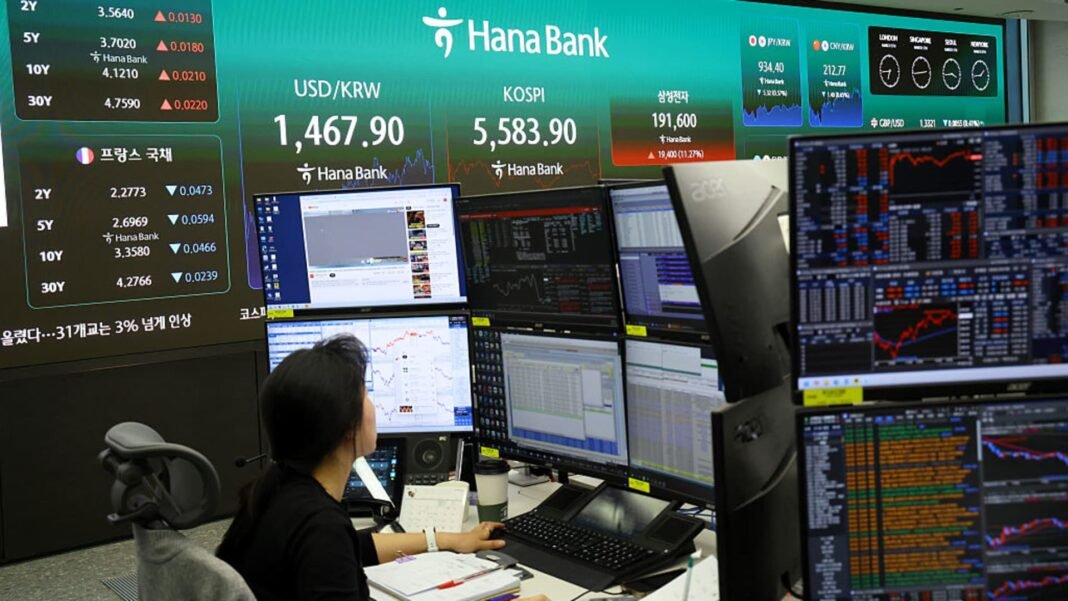
As the Middle East conflict enters its fifth consecutive week, stock exchanges throughout the Asia-Pacific region have experienced marked declines. South Korea’s Kospi index tumbled over 5%, while the Kosdaq followed with a near 4% drop.Japan’s key benchmarks also faced steep losses: the Nikkei 225 fell close to 4%, and the Topix index mirrored this downward trend.
The Bank of Japan is confronting mounting inflationary challenges exacerbated by surging oil prices linked to ongoing geopolitical unrest. During their latest policy meeting, officials debated whether accelerating interest rate hikes is necessary to mitigate these pressures. One central banker cautioned that delayed action could leave Japan trailing behind global monetary tightening efforts as secondary inflation effects from international developments intensify.
Elsewhere in the region, Australia’s S&P/ASX 200 slipped approximately 1.5%, reflecting investor unease about regional instability and fluctuating commodity prices. Hong Kong’s Hang Seng index declined more than 1.5%,while China’s CSI 300 edged down just under one percent amid widespread market jitters.
Escalation of Conflict with New Regional Participants
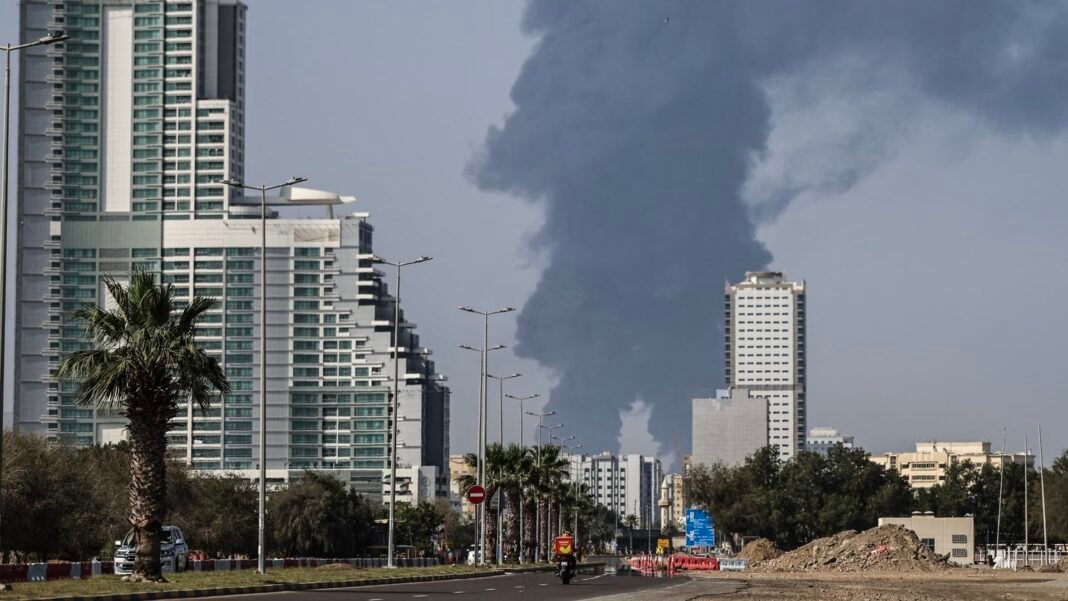
The Middle Eastern hostilities have broadened following Yemen’s Houthi faction launching ballistic missile strikes targeting Israeli military sites for the first time since clashes began between U.S.-Israeli forces and Iran-backed groups late last February. This development signals an expansion of direct involvement by allied factions supporting Iran and Hezbollah based in Lebanon.
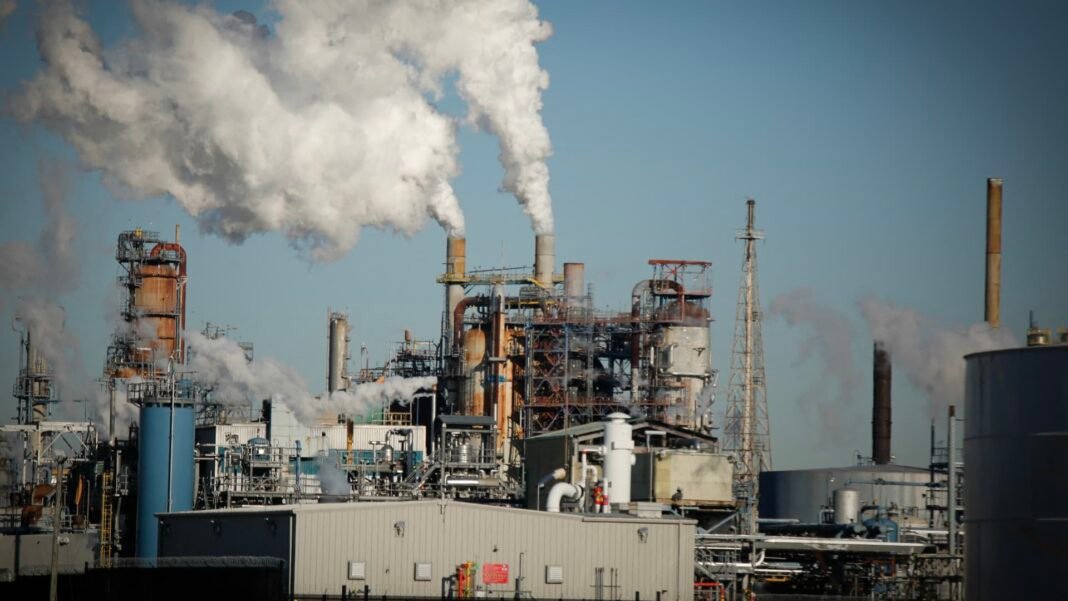
This escalation has intensified uncertainty within global energy markets; early trading saw West Texas Intermediate crude futures surge beyond $102 per barrel-a jump exceeding two-and-a-half percent-reflecting fears over potential supply disruptions amid rising regional tensions.
Government Measures Address Rising Fuel Expenses
In response to escalating fuel costs partly driven by geopolitical turmoil, Australia implemented a temporary reduction halving fuel excise taxes on petrol and diesel for three months. This initiative aims to lower pump prices by roughly 26 Australian cents per litre (approximately 18 US cents), offering relief for consumers grappling with increased transportation expenses during this volatile period.
U.S. Stock Futures Reflect Global Market Anxiety
The ripple effect extended into U.S markets as well: Dow Jones Industrial Average futures dropped around 0.6% (about 253 points), while S&P 500 and nasdaq-100 futures each declined nearly half a percent ahead of opening bell sessions.
The previous week witnessed notable downturns pushing major indexes into correction territory-the Dow lost nearly 800 points (-1.7%), closing near its lowest level since mid-2023; similarly, both S&P 500 (-1.67%) and Nasdaq Composite (-2.15%) ended at multi-month lows after enduring five or more consecutive weeks of declines across broad market indices.
An In-Depth View on Market Dynamics Amid Geopolitical Strains
- Sectors Affected Unequally: Technology-heavy industries suffered sharper losses compared to blue-chip stocks during recent sell-offs due largely to investors’ flight toward safer assets amid heightened uncertainty.
- Inflationary Pressures persist: Rising energy prices continue fueling global inflation concerns; central banks face delicate balancing acts between raising rates sufficiently without derailing economic growth prematurely.
- Diplomatic Complexities: Despite ongoing international negotiation attempts, expanding military engagements complicate prospects for swift conflict resolution, undermining investor confidence worldwide.
“This evolving crisis highlights how deeply interconnected geopolitical events can rapidly reshape financial markets across continents,” remarked an self-reliant economic analyst tracking emerging risks tied to energy security.”
Navigating Financial Volatility Amid ongoing Uncertainty
The protracted conflict continues influencing economic conditions far beyond immediate combat zones-impacting commodity valuations, monetary policies, and investor sentiment globally throughout mid-2024.
Market participants remain alert as diplomatic developments unfold swiftly alongside fluctuating asset prices closely linked with indicators of geopolitical stability worldwide.