Seafarers Trapped Amid Escalating Maritime Tensions
Strategic Waterways under Pressure: the Human Toll
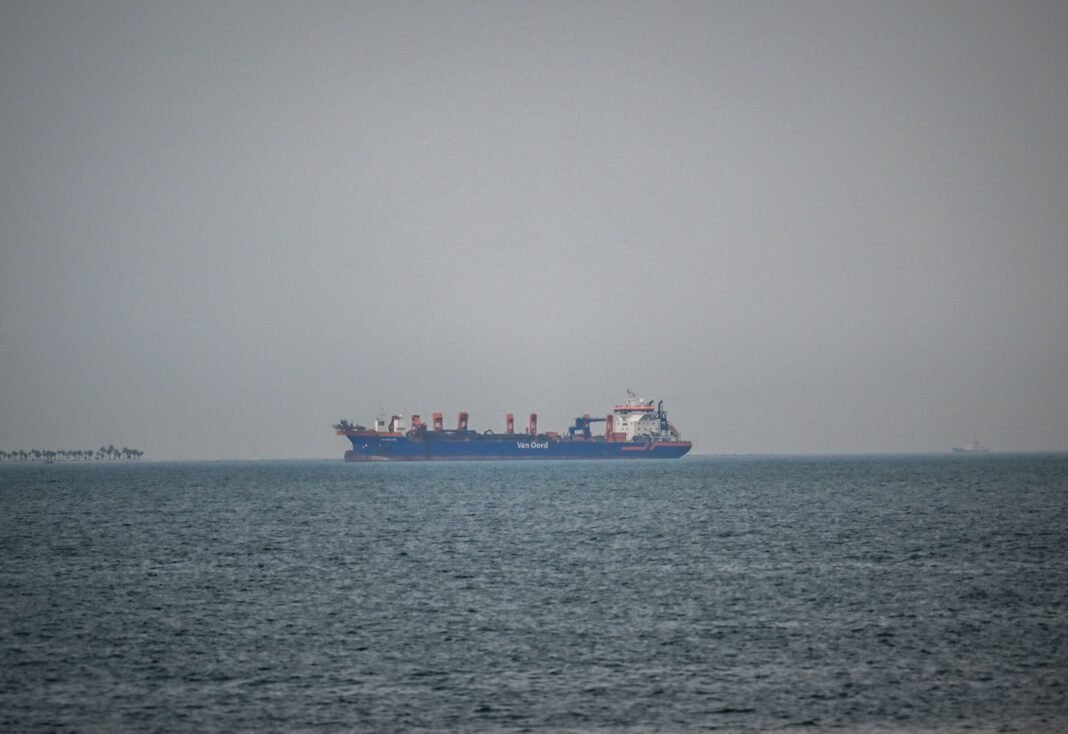
Critical maritime corridors like the strait of Hormuz have become hotspots of geopolitical friction, causing numerous vessels to become immobilized rather than able to navigate freely. In these vital Gulf region passages, ships are frequently stranded not only due to rising military conflicts but also because of fragmented global maritime governance were ownership, regulation, and accountability are dispersed across multiple jurisdictions.
This systemic failure severely impacts crew members onboard who often find themselves stuck at sea without the ability to disembark or receive their earned wages.
The Harrowing Reality for Seafarers: A Case Study
Take the experience of Arun Kumar from Tamil Nadu, India. He borrowed money anticipating steady employment aboard a commercial cargo ship that would support his family’s livelihood. Instead, he was assigned unexpectedly to a decommissioned vessel used for scrap transport.Despite promises from his recruitment agency that he would be reassigned shortly after arrival, months passed with no change in his situation.
Interaction with both the shipowner and recruitment agent eventually ceased altogether. Over 16 months later,Arun remains unpaid and confined on board. “My contract expired long ago but I have yet to receive any salary,” he explains. “They refuse permission for us to leave.” Without an official release document-a legal prerequisite-he cannot legally disembark or return home.
The Complex Maze of International Ship Ownership
Contemporary shipping operations often involve multiple countries simultaneously: vessels may be owned by companies in one nation while flying flags from another country chosen for regulatory advantages; management firms might operate out of different regions altogether; meanwhile ships physically traverse international waters or dock at foreign ports.
This multilayered structure generally facilitates efficient global trade but becomes problematic during crises when responsibilities blur and seafarers fall through jurisdictional gaps-especially on vessels lacking proper oversight or effectively abandoned by their owners.
A Legal Vacuum Endangers Crew Rights
The overlapping legal frameworks create ambiguous zones where no single authority clearly assumes responsibility for stranded crews’ welfare or contractual entitlements once contact with owners is lost. Seafarers rely heavily on cooperation from shipowners for contract termination and repatriation; absent this collaboration there is little practical recourse available.
Heightened Dangers Amid Regional Instability
The ongoing turmoil around key maritime chokepoints such as the Strait of Hormuz has sharply increased risks faced by civilian shipping traffic. Sence January 2024 alone, over 25 antagonistic incidents targeting commercial vessels have been recorded within this corridor-resulting in injuries among crew members and notable damage to merchant ships navigating these waters.
An estimated 2,100 merchant ships remain stranded near critical Gulf routes due to disruptions caused by ongoing hostilities.
Around 22,500 seafarers working throughout this volatile region confront daily threats ranging from direct attacks to being trapped aboard disabled vessels with dwindling supplies and limited escape options.
Sailing Through Danger Zones Without adequate Safeguards
The absence of coordinated international enforcement leaves many crews vulnerable despite repeated warnings issued by labor organizations urging shipowners to allow contract termination if sailors refuse deployment into high-risk areas such as parts of the Arabian Gulf and Gulf of Oman. However, adherence depends entirely on owners’ goodwill-which frequently evaporates when abandonment occurs.
An Alarming Surge in Abandoned Vessels Worldwide
The plight faced by Arun’s vessel Sundaram Star, which lacks registration under major maritime authorities and has longstanding labor disputes documented over several years exemplifies a growing global crisis: increasing numbers of abandoned ships leaving thousands stranded without pay or assistance.
- In recent statistics:
– over 450 vessels were reported abandoned globally during 2025.
– More than 7,000 seafarers were affected.
– Approximately 170 abandonment cases occurred within middle Eastern waters alone.
– Indian nationals constitute the largest group impacted followed closely by Filipino and Egyptian crews.
Crew distress signals have surged amid regional hostilities; some report missile strikes dangerously close enough to threaten lives directly while others describe losing power onboard after sabotage rendered engines nonfunctional-forcing emergency evacuations under perilous conditions.
“We recently reviewed footage showing an explosion mere meters away from one cargo vessel,” recalls a maritime safety official involved in crisis response efforts. “The hazards these workers endure are immense.”
Mental Health Struggles Beyond Physical Peril
Beyond immediate physical dangers lies profound psychological distress caused by isolation aboard immobile ships combined with uncertainty about wages and future prospects. Arun shares how he conceals his despair during phone calls home: “I try not to worry my family even though inside I feel hopeless.” His deepest wish is simply reunion-to restore stability lost amid chaos at sea:
“Before this ordeal I was hopeful; I believe happiness will return once reunited with my loved ones.”
A System Operating While Neglecting Its Workforce’s Welfare
The global shipping industry continues functioning despite disruptions-rerouting cargoes around conflict zones while dynamically adjusting logistics-but those left behind on neglected vessels remain invisible casualties caught between fractured systems lacking enforceable protections safeguarding their basic rights including freedom of movement and fair compensation.