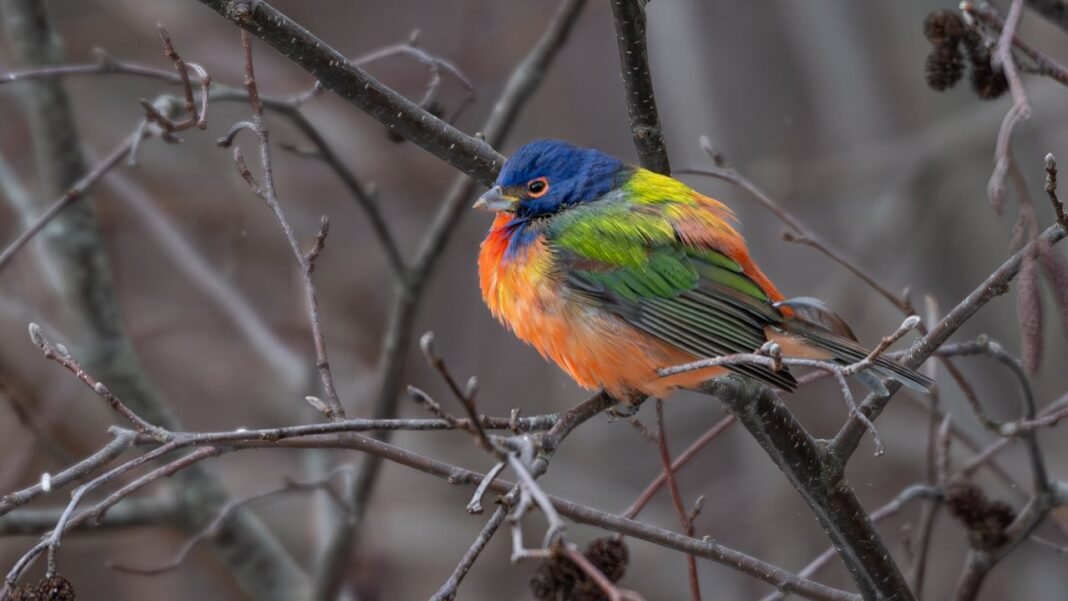
Unexpected Winter Guest: Painted Bunting Appears in Bayfield, New Brunswick
Known primarily for inhabiting the southern regions of the United States, the painted bunting is a brilliantly colored bird that typically migrates southward to escape winter’s chill. Though, this season brought an unusual twist as one of these vibrant birds was spotted spending the holidays far north in Bayfield, New Brunswick.
Uncommon Migration Patterns Influenced by Weather Events
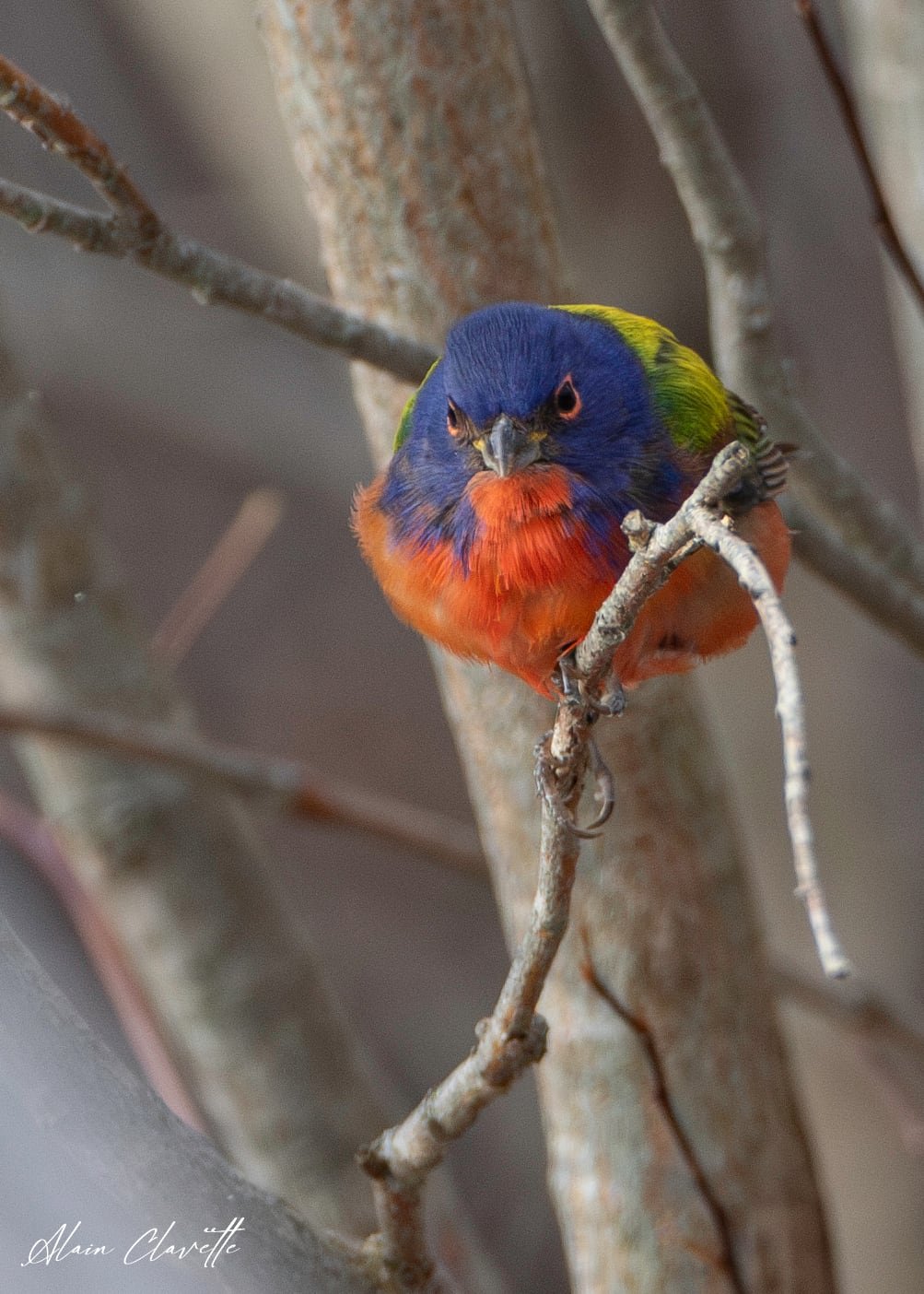
Alain Clavette, a seasoned birder with over 30 years of experience observing avian species in New Brunswick, has encountered painted buntings only on rare occasions. He suggests that this particular bird may have experienced reverse migration, a phenomenon where birds travel opposite their usual route-likely caused by strong weather disturbances such as recent windstorms diverting its path.
“This species rarely visits our area,” Clavette remarked.”Its vivid plumage offers an unexpected delight for local birdwatchers during the winter months.”
The Painted Bunting’s Behavior and Community excitement
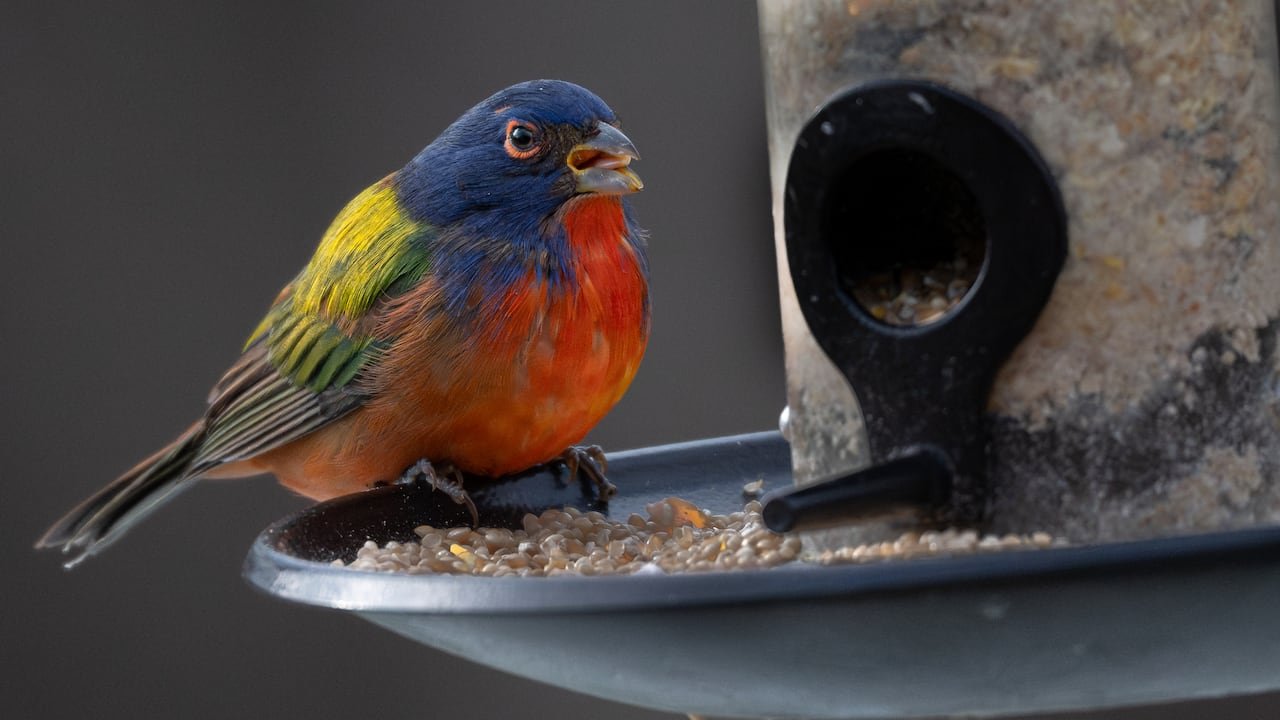
The discovery occurred when a resident noticed the bird at their backyard feeder and quickly informed nearby enthusiasts. News spread rapidly throughout local birding circles, attracting many eager to witness this rare sight firsthand.
Observers noted that the bunting alternated between feeding at the station and retreating into surrounding wooded patches. Patience is key; watchers often wait upwards of 40 minutes before it reemerges from cover.
Challenges Facing Painted buntings During Canadian winters
The severe cold climate combined with thousands of kilometers separating Bayfield from typical habitats like Florida or Mexico makes returning south nearly unfeasible for this individual at present. Instead, it appears to rely heavily on consistent food sources provided by local residents to endure these colder months.
“Access to dependable nourishment substantially boosts its survival odds through winter,” Clavette explained. Yet natural dangers remain prevalent; predators such as hawks and neighborhood cats continue to threaten its safety despite community efforts.
local initiatives Bolstering Winter survival Prospects
Around Bayfield, dedicated bird lovers have constructed brush piles offering refuge from predators and inclement weather while educating neighbors about optimal care strategies during these challenging months-efforts aimed at enhancing this visitor’s chances until spring returns.
A Past Perspective: painted Buntings in New Brunswick Records
The province has documented roughly twenty sightings spanning nearly forty years according to regional ornithological records committees.The earliest confirmed observation dates back to late 1987-a testament to how infrequent yet persistent these northern appearances are over time.
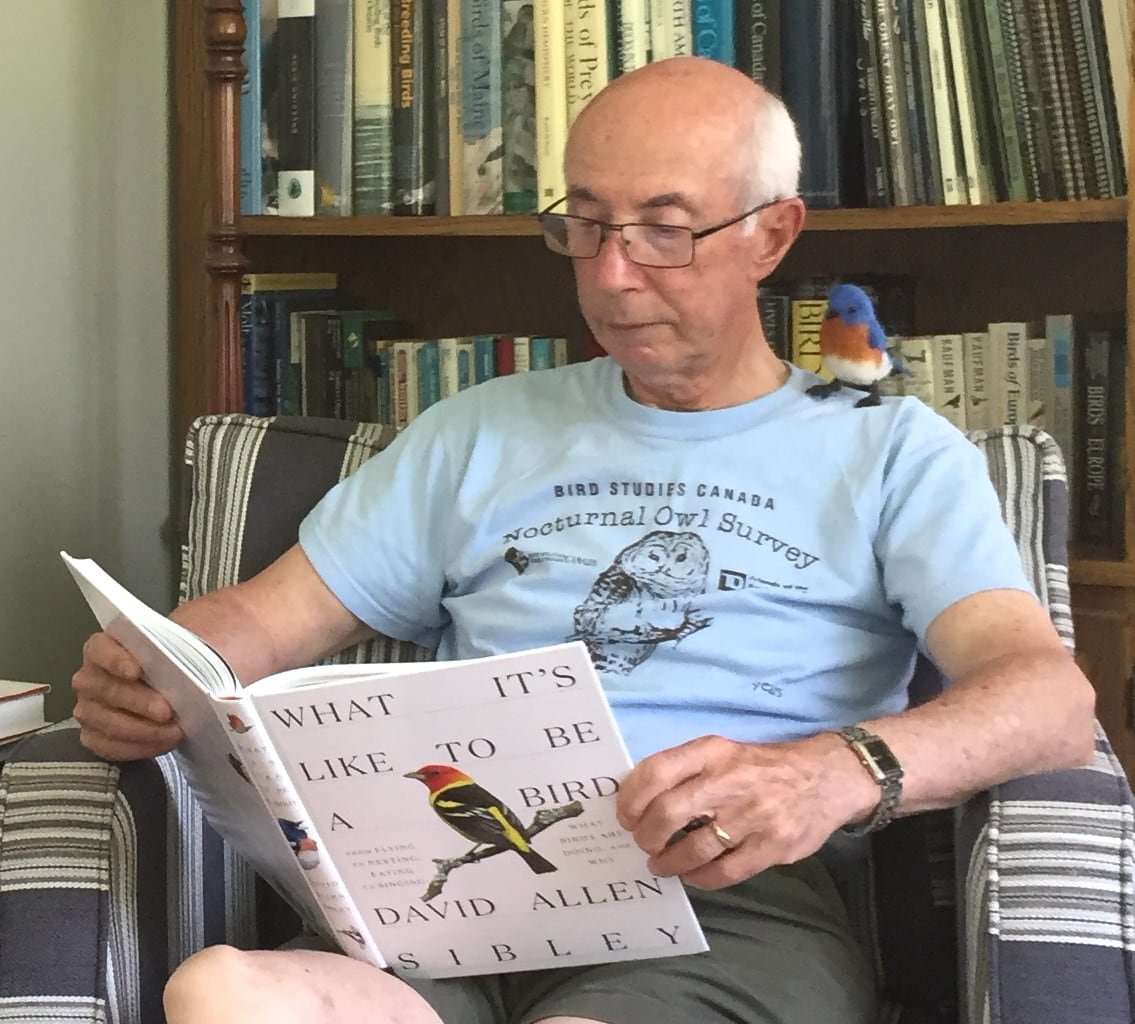)
“It’s remarkable how occasionally these buntings stray so far beyond their usual range yet demonstrate resilience surviving off backyard feeders,” shared longtime observer Jim Wilson.He recalled one instance where a painted bunting successfully overwintered on Grand manan Island before eventually falling prey later that season-highlighting both hope and vulnerability inherent in such events.
A Collective Wish Among Birdwatchers for Safe Return Migration
The local community remains hopeful that after adapting temporarily like humans do each year during cold spells, this dazzling visitor will safely resume its journey southward once warmer temperatures arrive.